Physical Therapy for Adhesions & Scar Tissue: What Every Patient Needs to Know
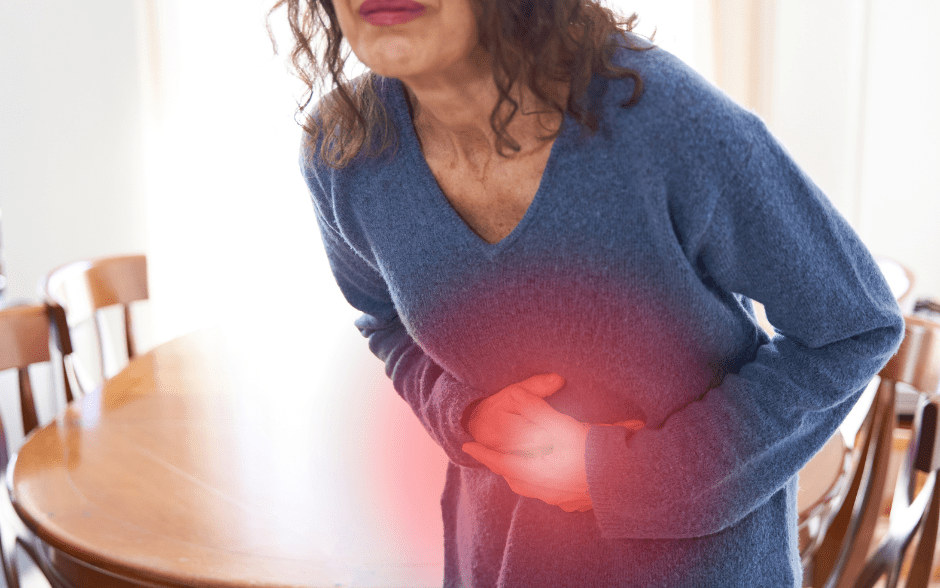
When the body heals after an injury, surgery, or significant inflammation, scar tissue and adhesions often form. While this is a natural process, in some cases, the resulting fibrous bands can restrict movement, cause pain, and impair organ function. Moreover, it can lead to chronic symptoms that impact quality of life. At PD Rehab in Mount Prospect, we specialize in treating adhesions and scar tissue throughout the body, using advanced manual-therapy techniques (including our signature Fascial Counterstrain and targeted exercise programs to restore mobility and function.
Need help with scar tissue or adhesions? Call (847) 363-3245 or contact us online for your evaluation.
What Are Adhesions and Scar Tissue?
Scar tissue is the body’s mechanism for repairing damaged tissue. When the injury is significant—such as after surgery, trauma, infection, or prolonged inflammation—the repair process may yield dense fibrous bands of connective tissue. These may form externally or deep within the body.
Adhesions are bands of scar-like tissue that join two surfaces that normally should be separate. They may remain silent, but once they restrict mobile structures, symptoms begin.
Why Do Adhesions & Scar Tissue Cause Problems?
In many cases, the following mechanisms explain how adhesions and scar tissue cause pain and dysfunction:
- Restricted range of motion: Fibrous tissue tethers muscle, fascia, or tendon, limiting normal glide.
- Pain generation: Adhesions may compress nerves or pull on sensitive structures.
- Organ and visceral dysfunction: Adhesions may bind organs, impair digestion, or cause pelvic pain.
- Complications for future surgery: Adhesions make later procedures more complex.
Learn more from the Cleveland Clinic.
Common Causes & Risk Factors
- Surgical procedures, especially abdominal or pelvic surgery.
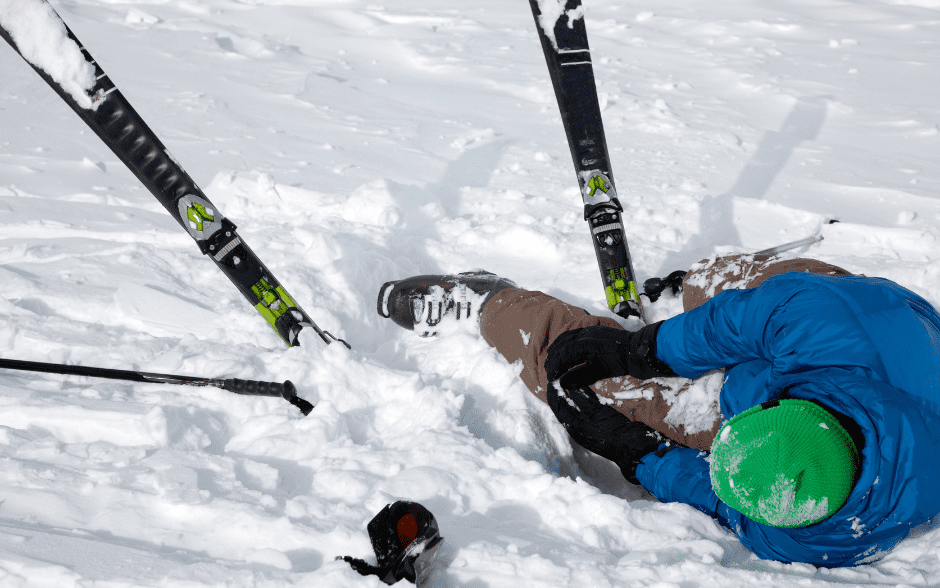
- Trauma or sports injuries that provoke deep inflammation.
- Infection, radiation therapy, or peritonitis.
- Multiple surgeries increase adhesion risk.
- Individual healing tendencies influence collagen buildup.
Where Adhesions & Scar Tissue Occur
- External scars: incisions, burns, surgical wounds.
- Musculoskeletal tissues: muscle tears, tendon repairs, joint capsules.
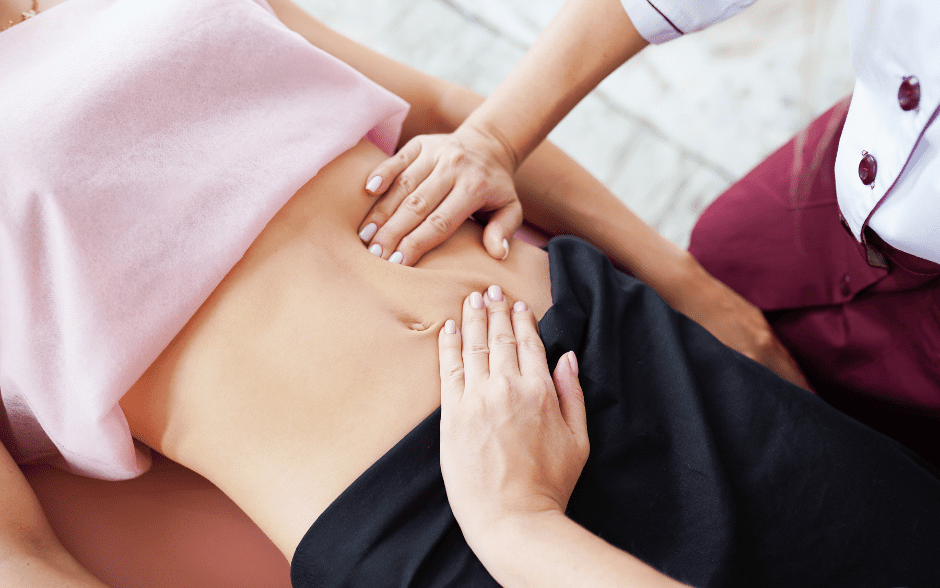
- Internal adhesions: binding between organs and abdominal walls.
- Post-operative joint capsules (e.g., frozen shoulder).
Signs & Symptoms to Watch For
- Stiffness or a “stuck” feeling.
- Pain with bending or twisting.
- Digestive bloating or irregularity.
- Pelvic pain or menstrual irregularities.
Why Early Intervention Matters
While some adhesions remain silent, waiting until symptoms worsen increases treatment complexity. Early physical therapy can:
- Prevent tissue tethering and preserve mobility.
- Reduce pain and compensation injuries.
- Avoid visceral dysfunction and complications.
- Improve rehabilitation outcomes.
How Physical Therapy Helps: Our Approach at PDR
Our individualized program addresses the root causes of pain and mobility restriction through:
- Comprehensive assessment: history, symptom mapping, mobility testing.
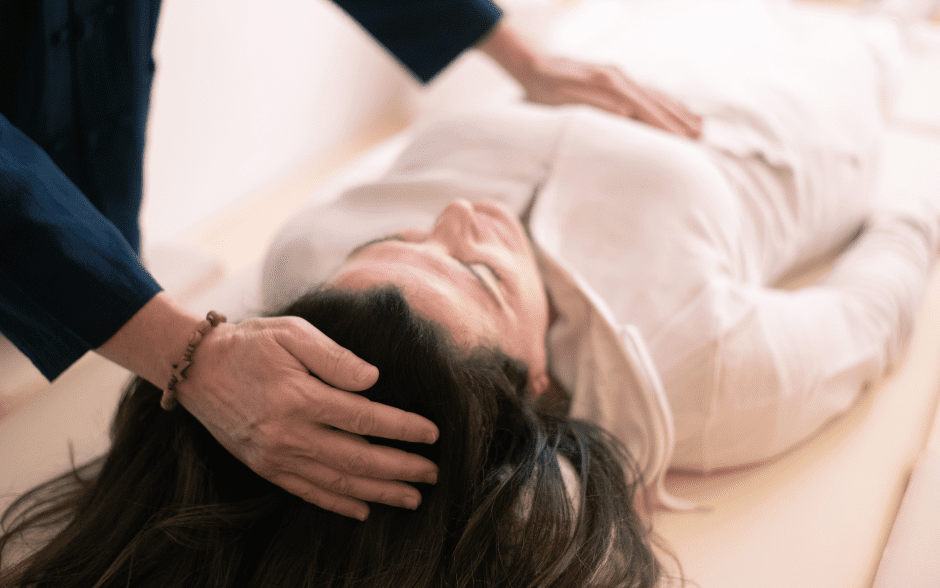
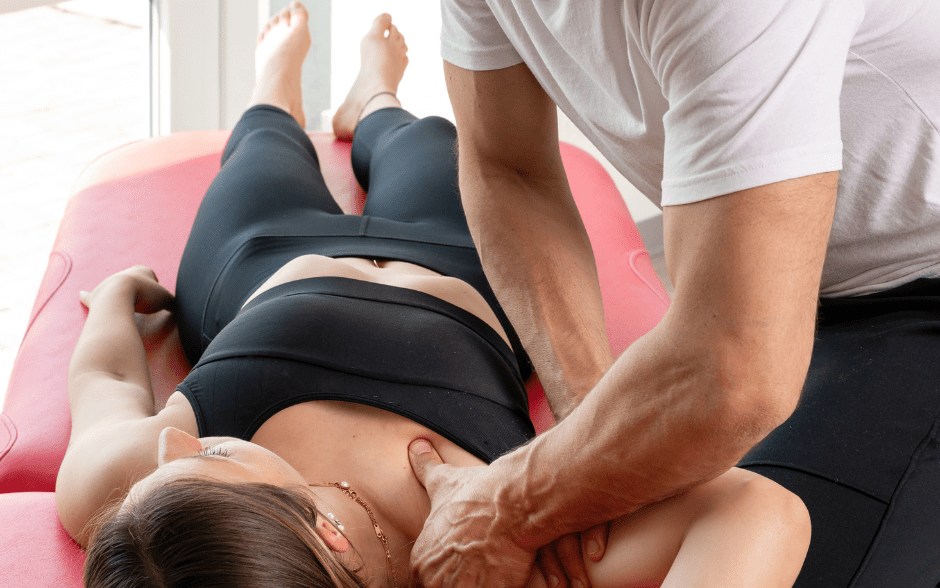
- Manual therapy: Fascial Counterstrain, scar mobilization, myofascial release.
- IASTM: instrument-assisted soft tissue mobilization.
- Modalities: ultrasound therapy and heat.
- Therapeutic exercise: stretching, strengthening.
- Education: posture and scar-care routines.
Advanced Insights & Research
Healing tissues reorganize into a fibrin matrix that may evolve into mature adhesions. Up to 93% of patients after abdominal surgery develop some adhesions, yet imaging often fails to detect them.
Studies from JOSPT and Verywell Health show that soft-tissue mobilization and friction massage can restore function.
What To Expect: The Treatment Journey
- Initial visit: scar evaluation, movement testing, symptom review.
- Phase 1 (Weeks 0–4): gentle mobilization and stretching.
- Phase 2 (Weeks 4–8): progressive strengthening.
- Phase 3 (Weeks 8+): return to activity and prevention strategies.
Frequently Asked Questions
Can scar tissue and adhesions be completely removed?
While some internal adhesions may require surgery, physical therapy significantly reduces restriction and pain.
Does new surgery always fix it?
Surgery may create new scar tissue; conservative therapy is often the best first step.
What can I do at home?
- Stay active and follow your plan.
- Maintain hydration and nutritious habits.
- Change positions often; avoid immobility.
Why Choose PDR Physical Therapy & Wellness Center?
- Expertise in Fascial Counterstrain, scar mobilization, and myofascial work.
- Whole-body approach integrating visceral and musculoskeletal care.
- Customized, evidence-based treatment plans.
- Convenient Mount Prospect location serving Arlington Heights and nearby areas.
Let’s restore glide, comfort, and confidence. Schedule your visit:
Request an appointment or call (847) 363-3245.