


Long COVID Treatment and Post-COVID Symptoms
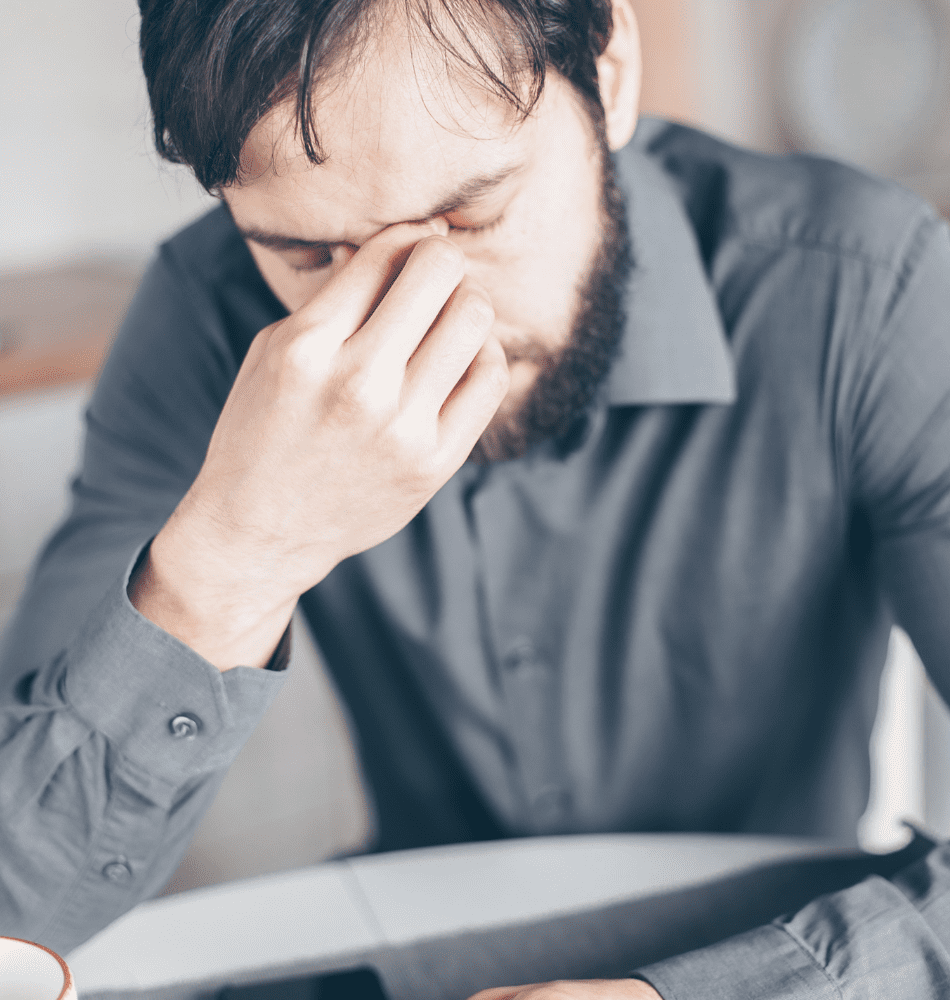
Long COVID refers to symptoms that continue or appear after the acute phase of a coronavirus infection has ended. For many people, symptoms do not fully resolve after recovering from the infection. As a result, energy levels, daily functioning, and quality of life may be affected. Symptoms often include chronic fatigue, brain fog, dizziness, muscle and joint pain, balance problems, shortness of breath, and difficulty concentrating.
Although the exact causes of Long COVID are still being studied, experts believe persistent symptoms may result from the effects of infection on the immune system, nervous system, internal organs, and body tissues. At PDR Physical Therapy & Wellness Center, we help individuals struggling with long-term post-COVID symptoms improve daily function and gradually return to normal activities. Treatment may include manual therapy, individualized exercises, and techniques that support nervous system regulation. In addition, one of the methods used for patients with more complex symptoms is Fascial Counterstrain — a gentle, advanced form of manual therapy.
What Can Cause Long COVID Symptoms?
The exact causes are still being studied. However, specialists believe that persistent symptoms may result from several overlapping factors.
Prolonged Immune System Response
For some people, the immune system remains overactive even after the infection has ended, resulting in inflammation, fatigue, and increased sensitivity.
Effects on Internal Organs
It may affect the lungs, heart, circulatory system, and other organs, causing shortness of breath and weakness.
Effects on the Nervous System
In some cases, COVID-19 may affect the nervous system. Therefore, patients may experience brain fog, difficulty concentrating, dizziness, headaches, or chronic fatigue.
Autonomic Nervous System Dysfunction
Some individuals experience changes in the autonomic nervous system. As a result, symptoms may include dizziness, rapid heartbeat, or blood pressure fluctuations.
Musculoskeletal Problems
Long COVID symptoms may also include muscle and joint weakness, pain, and tissue tension.
How Can Physical Therapy Help?
Long COVID symptoms often affect several body systems at the same time. At PD REHAB, we use advanced manual therapy techniques, individualized exercises, and methods that support nervous system regulation. As a result, patients can gradually improve function and return to daily activities. Treatment may include:
Gradual Strength and Endurance Recovery
Individualized exercises help improve endurance and rebuild strength. In addition, therapy supports a safe return to daily activities without placing too much stress on the body.
Reducing Dizziness and Balance Problems
Many people experience dizziness, unsteadiness, or balance issues. Depending on the cause of symptoms, treatment may include manual therapy, nervous system support, and specialized dizziness therapy.
Reducing Pain, Tension, and Physical Strain
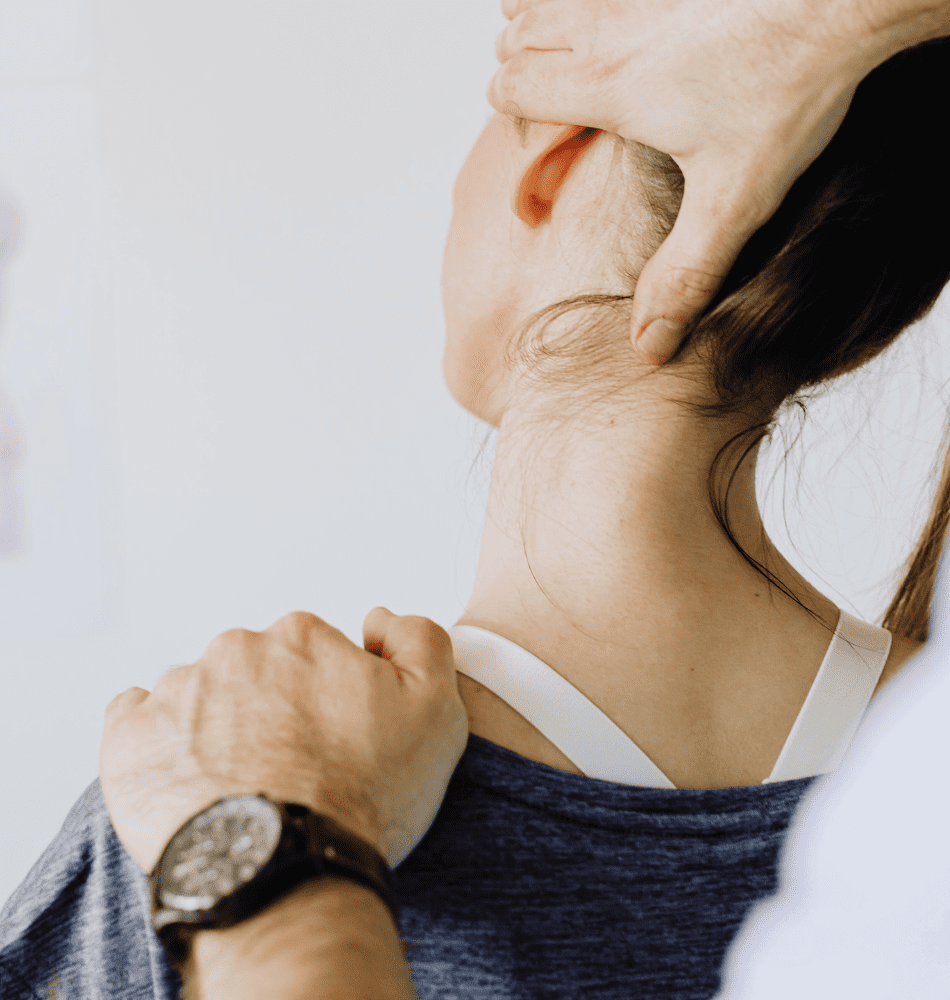
Long COVID may lead to chronic pain, stiffness, tension, and limited mobility. Therefore, techniques such as Fascial Counterstrain may help reduce tissue tension, improve mobility, and decrease discomfort.
Supporting Nervous System Regulation
After infection, the body may remain in a state of stress or overload. As a result, some people experience fatigue, sleep problems, increased sensitivity to stress, or difficulty recovering. Gentle manual therapy and individualized treatment may help support nervous system regulation and improve overall well-being.
Frequently Asked Questions About Long COVID Syndrome
What Symptoms Can Continue After COVID-19?
Long COVID symptoms can vary from person to person. In many cases, they affect several body systems at the same time. Common symptoms include chronic fatigue, brain fog, dizziness, muscle and joint pain, shortness of breath, and balance problems. Some people also experience heart palpitations, difficulty concentrating, and reduced exercise tolerance. In some cases, symptoms may last for weeks or even months after infection.
Can Physical Therapy Help with Long COVID?
Yes. The right physical therapy approach may help many people struggling with ongoing post-COVID symptoms. However, treatment depends on the type and severity of symptoms. Because of this, therapy is always individualized. Treatment may include balance training, breathing exercises, endurance support, pain management, tissue mobility work, and nervous system regulation.
Why Do I Still Feel Tired and Low on Energy After COVID?
Chronic fatigue is one of the most common Long COVID symptoms. It may result from nervous system dysfunction, reduced exercise tolerance, or prolonged stress on the body after infection. In some cases, the immune system may also remain overactive. As a result, many people continue to feel tired long after recovering from COVID-19.
Can Long COVID Cause Dizziness?
Yes. Some people experience dizziness, unsteadiness, or balance problems after COVID-19. These symptoms may be related to the vestibular system, neck tension, or autonomic nervous system dysfunction. Therefore, identifying the underlying cause is important. The right treatment approach may help reduce symptoms and improve daily function.
How Long Does Long COVID Rehabilitation Take?
Recovery time depends on the type of symptoms, their severity, and how long they have lasted. Therefore, every treatment plan is individualized. Some people notice improvement relatively quickly. However, others need a longer recovery process and a gradual increase in activity levels.
When Post-COVID Symptoms Do Not Go Away
If you are still struggling with fatigue, dizziness, brain fog, pain, or other ongoing symptoms after COVID-19, physical therapy may help. Because every person experiences Long COVID differently, treatment should be individualized. At PDR Physical Therapy & Wellness Center, we create treatment plans based on your symptoms and needs. As a result, therapy may help improve daily function and support a gradual return to normal activities. In addition, treatment may help reduce discomfort and improve overall well-being.