


Pelvic Floor Therapy for Men
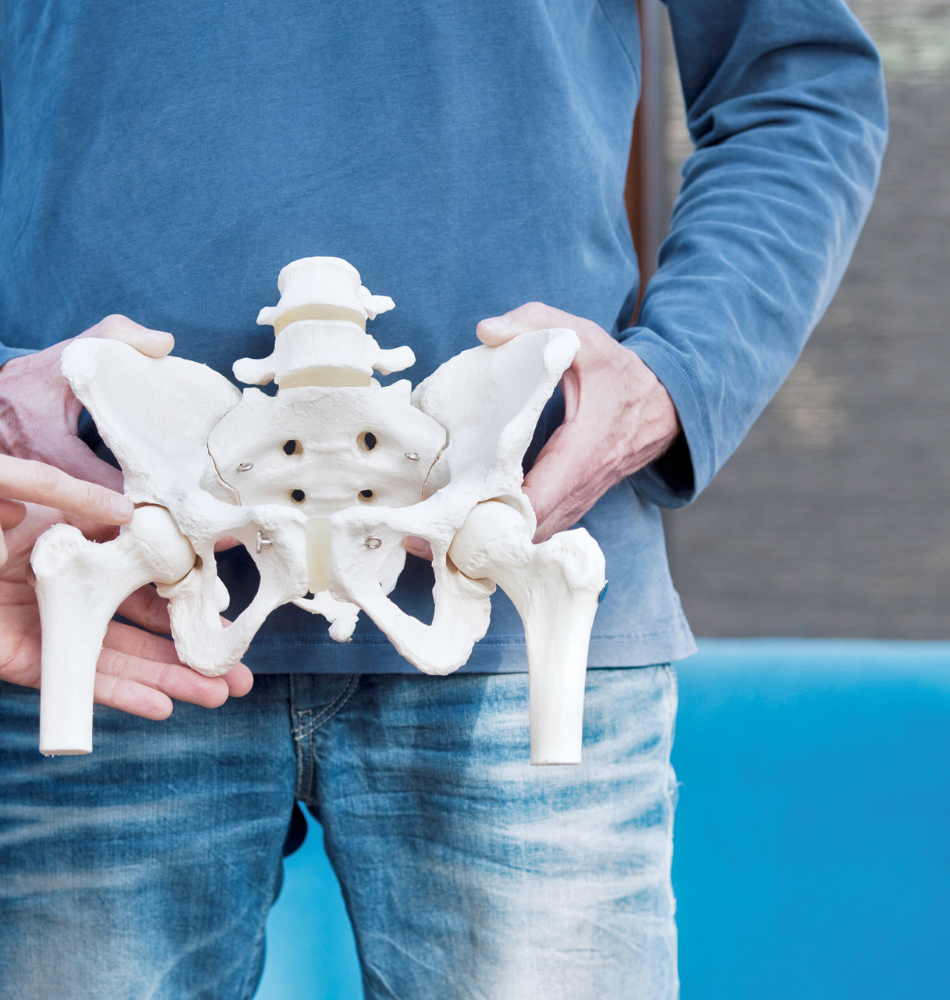
Pelvic floor problems in men can affect much more than the pelvis itself. They may contribute to urinary leakage, constipation, pelvic pain, tailbone discomfort, painful intercourse, erectile dysfunction, or symptoms that feel difficult to explain. In many cases, these symptoms persist even when standard tests appear normal. This is because pelvic floor dysfunction is often related to how muscles, fascia, and the nervous system work together — not just a single structure or isolated issue.
At PDR Physical Therapy & Wellness Center in Mount Prospect, we treat male pelvic floor dysfunction by looking at how the pelvic floor interacts with the hips, low back, abdomen, diaphragm, and surrounding tissues. Our goal is not only to reduce symptoms, but to identify and address the underlying cause of dysfunction so the body can function more normally again.
Common Pelvic Floor Problems in Men
Pelvic floor dysfunction in men can present in many different ways. The symptoms are often not isolated and may overlap, especially when muscle tension, nerve irritation, and tissue restrictions are involved.
Urinary Incontinence
Leakage of urine ranging from occasional dribbling to loss of control. It is commonly seen after prostate surgery but can also be related to poor coordination or increased tension in the pelvic floor muscles.
Pelvic Pain
Discomfort in the lower abdomen, perineum, or tailbone area. It is often linked to muscle tightness, nerve sensitivity, or restricted fascia, and may affect sitting tolerance and sexual function.
Prostate-Related Pain (Prostatitis Symptoms)
Pain, pressure, or discomfort in the pelvic region, sometimes accompanied by urinary or sexual symptoms. In many cases, these symptoms are influenced by pelvic floor muscle tension rather than infection alone.
Fecal Incontinence
Difficulty controlling bowel movements, which may result from weakened muscles, impaired coordination, or nerve involvement.
Chronic Constipation
Difficulty with bowel movements due to poor relaxation or coordination of the pelvic floor muscles, often leading to straining and incomplete emptying.

How Physical Therapy Can Help
Pelvic floor dysfunction in men often does not come from a single cause. In many cases, it is the result of how the pelvic floor interacts with the hips, lower back, abdomen, and nervous system. This is why isolated exercises or generic treatment plans do not always provide lasting results.
At PDR Physical Therapy & Wellness Center, treatment is focused on restoring proper function across these systems. Instead of addressing only the symptoms, we work to reduce abnormal tension, improve tissue mobility, and help the pelvic floor regain its natural coordination.
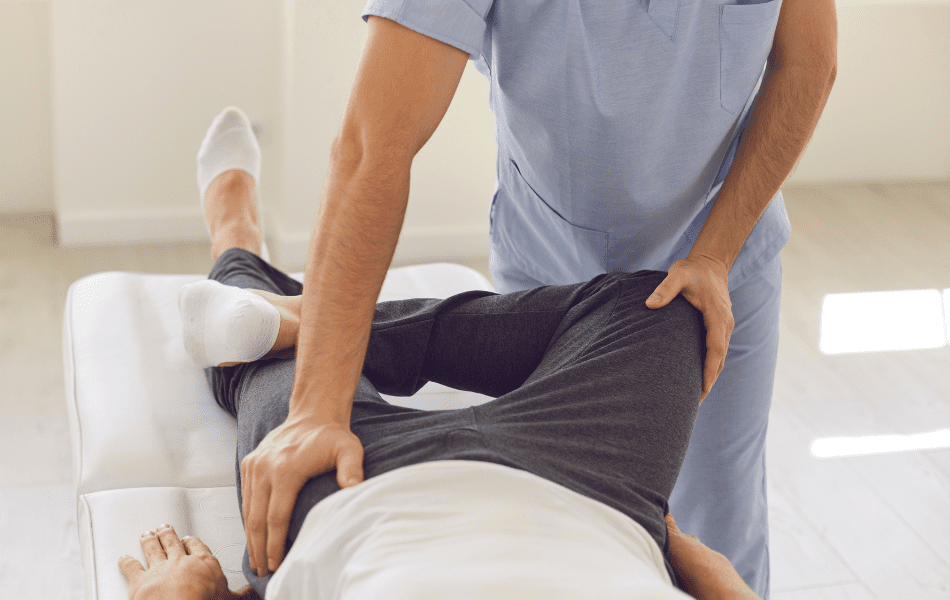
Our approach combines precise hands-on therapy with individualized movement strategies. Techniques such as Fascial Counterstrain and manual therapy allow us to work with the deeper layers of tissue and reduce irritation that may be contributing to pain, urinary symptoms, or sexual dysfunction.
If your symptoms are persistent, recurring, or not fully explained by standard tests or treatments, a targeted evaluation can help identify the underlying cause.
Frequently Asked Questions about Pelvic FLOOR PROBLEMS IN MEN
Do men have a pelvic floor?
Yes, men have a pelvic floor. It is a group of muscles, ligaments, and connective tissues that support the bladder, bowel, and reproductive organs. The pelvic floor plays an important role in urinary control, sexual function, and core stability. Like in women, these muscles can become weak, overactive, or poorly coordinated, leading to symptoms such as urinary leakage, pelvic pain, or erectile dysfunction.
How to relax pelvic floor muscles in men?
Relaxing the pelvic floor is not just about stretching or “letting go.” In many cases, excessive tension is related to how the muscles, fascia, and nervous system interact. Techniques such as manual therapy, breathing work, and targeted exercises can help reduce overactivity and restore normal coordination.
A proper evaluation is important, as some symptoms are caused by tightness rather than weakness, and treating them incorrectly with strengthening alone may worsen the problem.
What are some pelvic floor exercises for men?
Pelvic floor exercises for men are aimed at strengthening or coordinating the muscles responsible for bladder control, sexual health, and core stability. Common exercises include:
- Kegels: Contracting and relaxing the pelvic floor muscles to improve strength.
- Bridge exercises: Engaging the pelvic floor while lifting the hips.
- Transverse abdominis activation: Engaging the core and pelvic floor together.
- Pelvic floor coordination drills: Improving muscle timing and relaxation.
A physical therapist can guide you through the correct technique and ensure a balanced approach to these exercises.
What is pelvic floor physical therapy for men?
Pelvic floor physical therapy for men is a specialized treatment that addresses pelvic floor dysfunctions using noninvasive, external methods. It includes Fascial Counterstrain, a hands-on therapy that releases fascial restrictions and restores muscle balance without any internal manipulation. Physical therapists work to improve pelvic floor strength, alleviate pain, and restore optimal function, helping with conditions such as urinary incontinence, pelvic pain, and sexual dysfunction.
What causes pelvic floor dysfunction in men?
Pelvic floor dysfunction in men can result from several factors, including:
- Prostate surgery (especially prostatectomy)
- Chronic constipation or straining during bowel movements
- Heavy lifting or high-impact sports
- Chronic coughing (e.g., from smoking or asthma)
- Poor posture or core weakness
- Trauma or injury to the pelvic region
- Stress and tension leading to muscle overactivity
Is pelvic floor therapy only about exercises?
No, pelvic floor therapy is not limited to exercises. While strengthening is often associated with pelvic floor treatment, many men actually experience symptoms due to excessive tension, poor coordination, or dysfunction in surrounding tissues rather than true weakness.
Focusing only on exercises such as Kegels may not address the underlying problem — and in some cases, can even make symptoms worse. Effective treatment often involves reducing abnormal tension, improving how the pelvic floor works with the diaphragm, abdomen, and nervous system, and restoring proper movement and control.
At PD Rehab, therapy goes beyond isolated exercises and includes hands-on techniques, such as Fascial Counterstrain, along with individualized strategies tailored to how your body functions as a whole.
How does physical therapy help pelvic floor problems in men?
Pelvic floor dysfunction in men is often not caused by a single issue. In many cases, it is related to how the pelvic floor interacts with the hips, lower back, abdomen, and nervous system. Because of this, treatment that focuses only on one area or one type of exercise may not provide lasting results.
Physical therapy helps by addressing these underlying factors. Treatment may include hands-on techniques to reduce muscle and fascial tension, improve tissue mobility, and calm irritated structures, as well as targeted strategies to restore proper coordination and control.
At PDR Physical Therapy & Wellness Center, we use a combination of advanced manual therapy, including Fascial Counterstrain, along with individualized exercises and supportive modalities when needed. This approach allows us to reduce symptoms such as pain, urinary issues, and sexual dysfunction while helping the body return to more normal, efficient function.
Find Relief at the Root Cause
If you’ve been dealing with pelvic pain, urinary symptoms, or issues that are difficult to explain, it may be time to look beyond temporary solutions. At PDR Physical Therapy & Wellness Center in Mount Prospect, we focus on identifying and addressing the underlying cause of pelvic floor dysfunction — not just managing symptoms.
Schedule your free evaluation and take the first step toward lasting improvement.