


WHAT IS MANUAL PHYSICAL THERAPY?
At PDR Physical Therapy & Wellness Center in Mount Prospect, hands-on therapy is one of the foundations of our approach to care. Using specialized manual therapy techniques, we look beyond where symptoms appear to understand better how different systems of the body may be contributing to pain, mobility issues, and changes in muscle function. As a physical therapist-owned clinic, we believe an expert, hands-on approach is essential to understanding how the body functions. Rather than applying the same treatment approach to everyone, we create customized treatment plans for each patient. Care is individualized to your symptoms, history, and recovery goals. Our focus is not temporary relief, but helping patients with complex or unresolved problems find answers and achieve a better quality of life when traditional approaches have not been enough.
When Traditional Therapy Isn’t Enough
Many people begin physical therapy hoping for relief from pain, stiffness, limited mobility, or recurring symptoms. Yet symptoms often return, or progress slows down. Sometimes treatment focuses mainly on the painful area. However, the real problem may involve deeper dysfunctions affecting fascia, circulation, the nervous system, movement patterns, or even internal organ function. In many cases, the problem is simply more complex than it first appears.
This is one reason why traditional treatment does not always bring lasting improvement. A shoulder problem may stem from restrictions in the neck or ribcage. Chronic pelvic pain may relate to abdominal tension or nervous system irritation. Restrictions elsewhere in the body may also contribute to digestive symptoms, dizziness, headaches, or persistent pain. When providers miss the true source of dysfunction, symptoms often continue — even after medications, injections, surgery, or previous physical therapy.
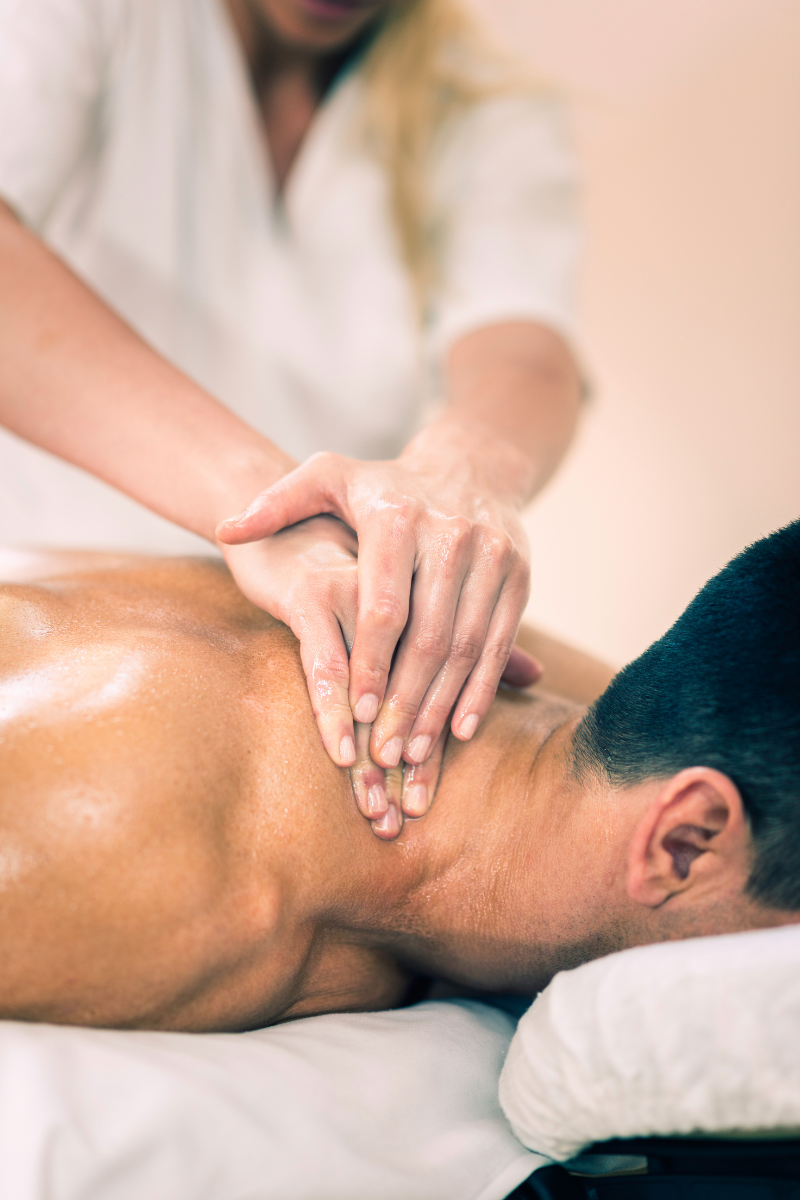
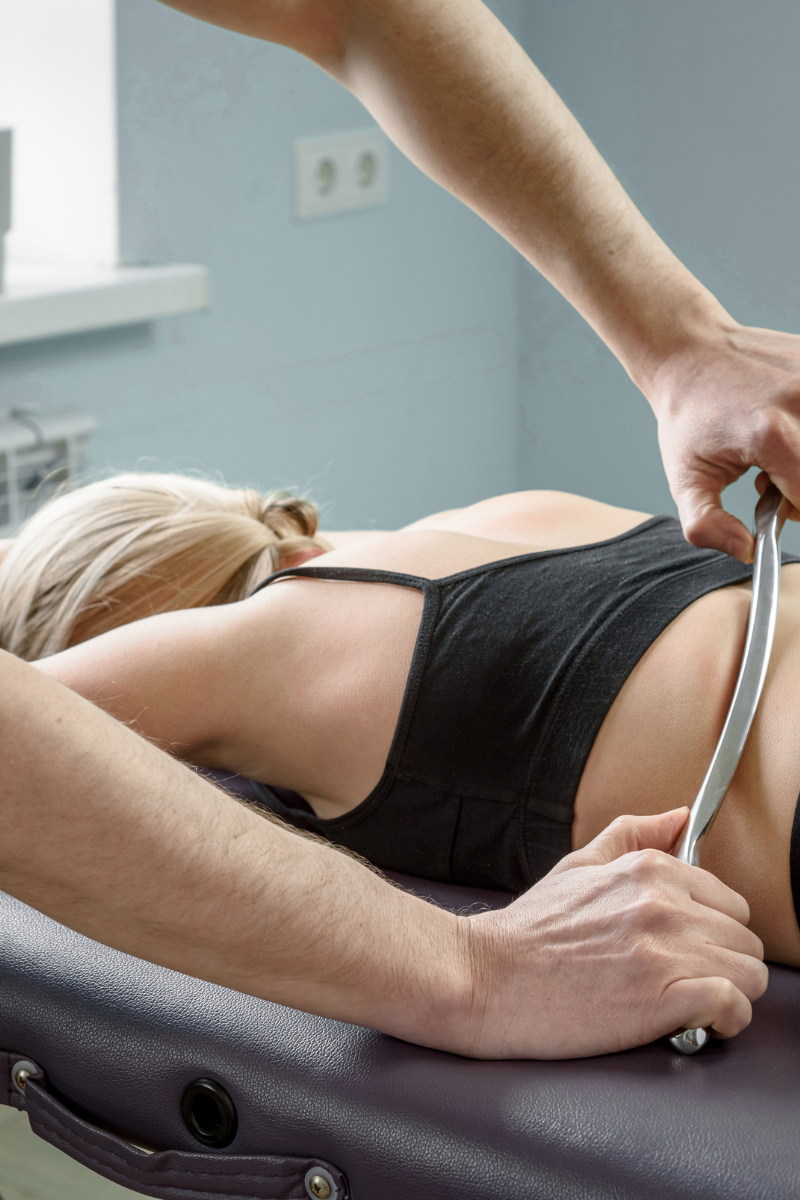
A More Advanced Hands-On Approach
At PDR Physical Therapy & Wellness Center, hands-on therapy is more than a treatment technique — it is the foundation of how we understand the body. As a physical therapist-owned clinic with more than 20 years of experience, we believe there is no substitute for skilled therapeutic hands. Through advanced hands-on training and countless hours of practice, we evaluate movement, tissue restrictions, nervous system involvement, and the way different systems of the body function together. This expert hands-on approach is why specialized manual therapy remains a central part of nearly every customized treatment plan we create.
Using advanced manual therapy techniques — including Fascial Counterstrain — we often help patients who have already tried traditional treatment without success. Rather than focusing only on where symptoms appear, we look for the patterns contributing to dysfunction. This approach may help patients experiencing chronic pain, dizziness, digestive issues, nerve irritation, pelvic floor dysfunction, post-surgical restrictions, headaches, mobility problems, and other complex symptoms. Our hands-on therapy options focus on reducing pain, improving mobility, restoring muscle function, and helping patients return to daily activities with greater comfort and a better quality of life.
Frequently Asked Questions about Manual Therapy
Why am I still having symptoms even after physical therapy?
Sometimes symptoms continue because treatment focuses mainly on where it hurts rather than why the problem developed in the first place. In more complex cases, restrictions involving fascia, the nervous system, scar tissue, circulation, movement patterns, or even internal organ function may go unnoticed.
Can manual therapy help if traditional physical therapy did not work?
Often, yes. Many patients come to PDR after trying physical therapy, medications, injections, or other treatments without lasting improvement. Sometimes the problem is more complex than it first appears. Advanced hands-on therapy may help identify contributing factors that were previously missed. Many people choose this type of care when traditional treatment has not provided lasting results.
What makes manual therapy at PD Rehab different?
At PDR, hands-on therapy is one of the foundations of our approach to treatment. Our therapists use advanced manual therapy techniques, including Fascial Counterstrain, fascia release techniques, craniosacral therapy, and lymphatic drainage therapy to better understand how different systems of the body work together. Rather than focusing only on symptoms, treatment is designed to identify and address factors that may be contributing to the problem.
Can manual therapy help conditions beyond muscles and joints?
Yes. Physical therapy is often associated with muscles and joints, but advanced manual therapy may also help with dizziness, headaches, digestive dysfunction, pelvic floor symptoms, nerve irritation, TMJ dysfunction, post-surgical restrictions, and other complex conditions.
What is Fascial Counterstrain, and is it painful?
Fascial Counterstrain is a gentle, non-invasive hands-on therapy approach used to reduce tension and calm protective responses within the body. Treatment is designed to be comfortable and tailored to each patient’s symptoms and tolerance.
What types of manual therapy techniques do you use?
At PDR Physical Therapy & Wellness Center, treatment is always tailored to the individual. Depending on your symptoms and goals, therapy may include Fascial Counterstrain, craniosacral therapy, fascia release techniques, lymphatic drainage therapy, myofascial release, scar mobilization, soft tissue mobilization, and other hands-on techniques. We do not use the same treatment approach for everyone.
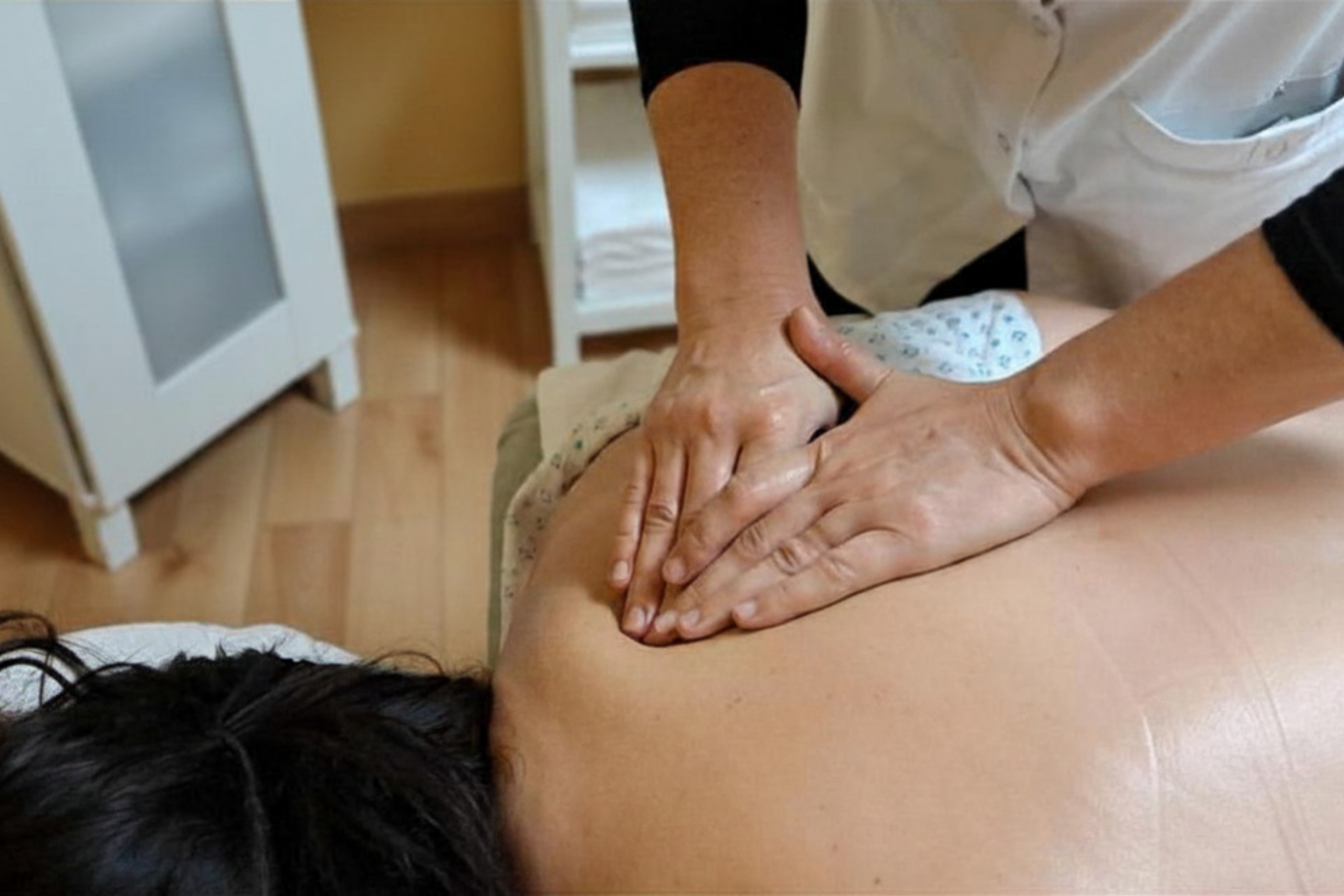
A different approach to recovery
If traditional treatment has not brought lasting improvement, our therapists can help determine whether a more advanced hands-on approach may be right for you.