


Struggling with Symptoms That Don’t Fully Make Sense?
If you’re dealing with symptoms like digestive issues, chest tightness, shortness of breath, dizziness, or constant stress that doesn’t fully improve with standard treatment, the problem may not be in a single organ — but in how your nervous system is functioning.
Vagus nerve dysfunction can affect multiple systems at once, including digestion, breathing, heart rate, and stress response. In many cases, symptoms persist despite normal test results because the issue lies in how the body regulates internal processes — not just in the organs themselves.
At PDR Physical Therapy & Wellness Center in Mount Prospect, IL, we specialize in treating vagus nerve dysfunction, identifying and addressing it with advanced, hands-on techniques. By addressing how the nervous system, fascia, and internal organs work together, we help restore balance and improve symptoms that often don’t respond to traditional care.
When Vagus Nerve Dysfunction Affects Your Body
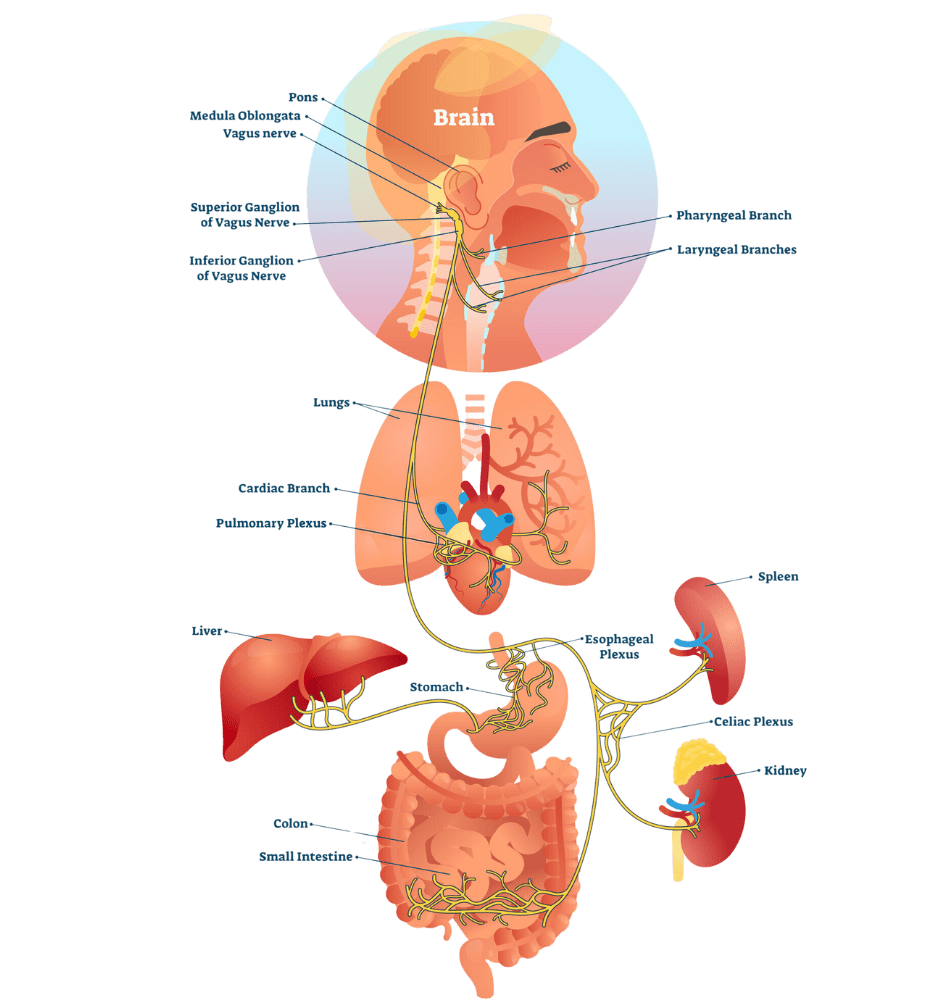
The vagus nerve helps regulate communication between the brain and internal organs. When this communication is disrupted, symptoms often appear across different systems simultaneously. This is why many people experience a combination of issues that don’t seem obviously related — for example, digestive problems together with breathing difficulties or ongoing stress.
Because the vagus nerve plays a key role in regulating the body’s stress response, dysfunction can make it harder for the body to return to a calm, balanced state. As a result, symptoms may persist or fluctuate even when individual systems are being treated separately.
Patients commonly experience:
- Digestive problems such as bloating, reflux, constipation, or IBS
- Chest tightness or non-cardiac chest discomfort
- Shortness of breath or difficulty taking a full breath
- Dizziness or lightheadedness
- Persistent stress, anxiety, or feeling “on edge”
- Fatigue and poor recovery from stress
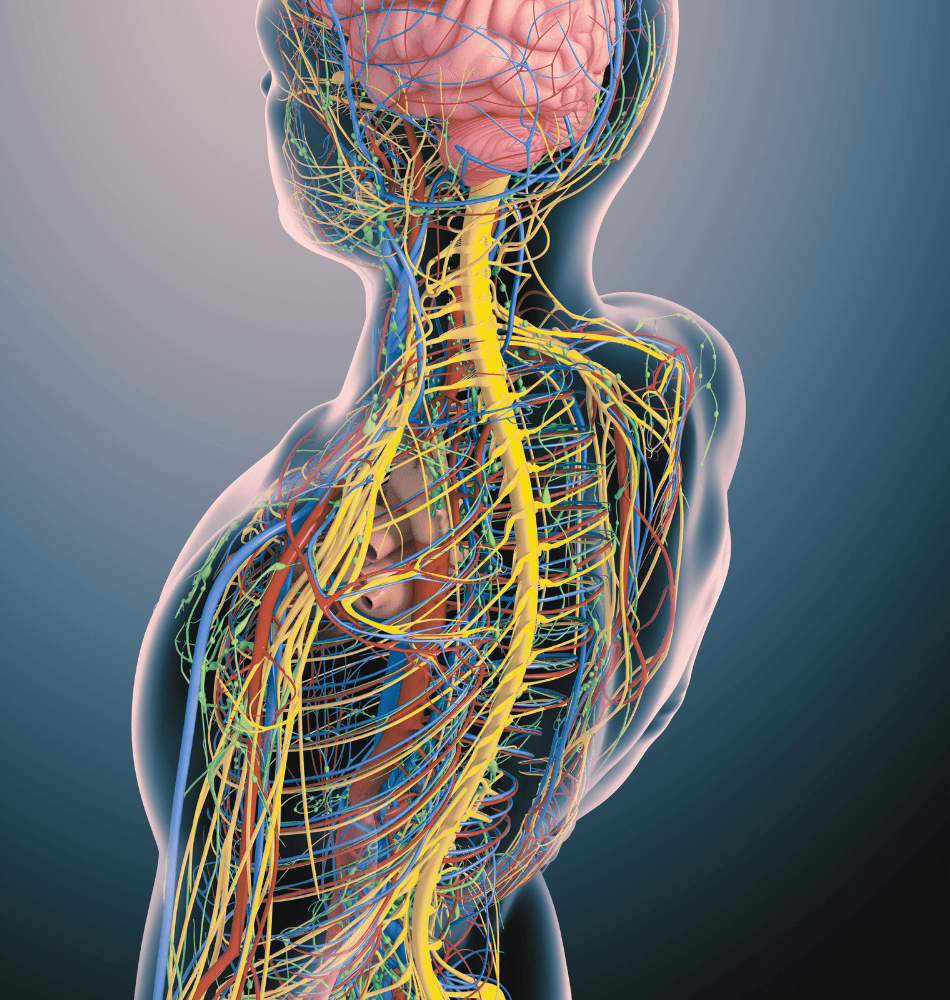
These symptoms are often connected through the autonomic nervous system, which controls how your body responds to stress and maintains internal balance. When this system is not functioning efficiently, the body may stay in a prolonged stress response, making recovery more difficult.
Vagus Nerve Dysfunction Treatment in PDRehab
At PDR Physical Therapy & Wellness Center, we don’t focus on a single symptom or diagnosis. We assess how different systems in your body interact — especially the nervous system, fascia, and internal organs. This allows us to identify underlying patterns that may be missed when each symptom is treated separately.
We use advanced manual therapy techniques, including Fascial Counterstrain, to identify and release areas of tension that may be affecting vagus nerve function. These restrictions can develop in the neck, chest, diaphragm, or abdomen and may interfere with how the nervous system communicates with internal organs.
By addressing these areas, we help restore more normal signaling within the autonomic nervous system and support the body’s ability to regulate stress, digestion, and breathing more efficiently.
This approach allows us to:
- improve communication between the brain and internal organs
- reduce excessive nervous system activation
- support more efficient breathing and digestion
- help the body shift out of a chronic stress state
Because the vagus nerve influences multiple systems, patients often notice improvements in more than one area at the same time — rather than treating each symptom separately.
Frequently Asked Questions about Vagus Nerve Dysfunction
How can physical therapy help with vagus nerve dysfunction?
Vagus nerve dysfunction treatment can help improve vagus nerve function by addressing restrictions in the fascia, diaphragm, and internal organs that affect nervous system regulation. This approach helps restore communication between the brain and the body, improving symptoms related to digestion, breathing, and stress.
What symptoms might suggest vagus nerve dysfunction?
How long does it take to see results from vagus nerve therapy?
Is vagus nerve therapy painful or invasive?
Can physical therapy help with stress and anxiety through the vagus nerve?
Who is a good candidate for vagus nerve therapy?

Find the Cause of Your Symptoms
If you’ve tried different treatments but your symptoms keep coming back, it may be time to look at how your nervous system is functioning. At PDR Physical Therapy & Wellness Center in Mount Prospect, IL, we take a different approach — focusing on the connection between the nervous system, fascia, and internal organs.
Schedule your evaluation today and start addressing the underlying cause of your symptoms.