


Physical therapy for orthopedic problems
Orthopedic problems can affect the way you move, work, exercise, and enjoy everyday life. Whether you’re recovering from an injury, preparing for or healing after surgery, or living with ongoing joint or muscle pain, physical therapy can help reduce pain, restore movement, and improve function.
Pain, however, is often only part of the story. An injury, arthritis, surgery, or years of repetitive movement can change the way your entire body moves. Muscles may compensate, joints may become overloaded, and the source of the problem is not always where you feel the pain. That’s why successful treatment begins with understanding how your whole body functions—not just the painful area.
At PDR Physical Therapy & Wellness Center, we treat a wide range of orthopedic conditions involving muscles, joints, tendons, ligaments, and nerves. Through a comprehensive evaluation, we identify the factors contributing to your symptoms and create a personalized treatment plan. Using hands-on manual therapy, therapeutic exercise, movement retraining, and other evidence-based techniques, we help reduce pain, restore mobility, improve strength, and get you back to the activities that matter most.
What Are Orthopedic Conditions?
Orthopedic conditions affect the muscles, joints, bones, ligaments, tendons, cartilage, and other soft tissues that support movement. They may develop suddenly after an injury or gradually over time because of repetitive activities, age-related changes, poor posture, or everyday wear and tear. Some conditions cause sharp pain and swelling, while others lead to stiffness, weakness, limited mobility, or difficulty performing daily activities.
Although these problems may have different causes, they often share one thing in common—they change the way your body moves. When one joint or muscle is not functioning properly, other areas may begin to compensate, placing extra stress on surrounding tissues. Identifying these movement patterns is an important part of creating an effective treatment plan and helping prevent the problem from returning.


Our Approach to Orthopedic Physical Therapy
At PDR Physical Therapy & Wellness Center, we believe that successful treatment begins with understanding why the problem developed—not simply where it hurts. Pain is often the result of changes elsewhere in the body. A stiff joint, restricted fascia, old scar tissue, muscle imbalance, or altered movement pattern can place excessive stress on other structures and eventually lead to pain or injury.
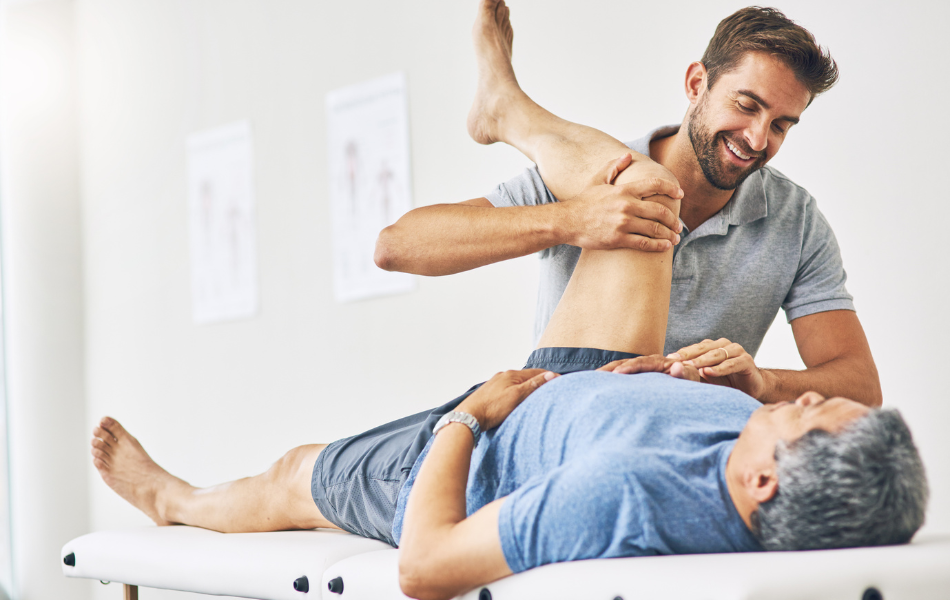
Rather than following the same treatment plan for every diagnosis, we tailor therapy to each individual. Depending on your condition, your care may include gentle hands-on techniques, myofascial release, craniosacral therapy, joint and soft tissue mobilization, therapeutic exercise, balance training, or movement re-education.
One of the advanced techniques we use is Fascial Counterstrain, a gentle manual therapy approach that helps identify and treat dysfunctions that may not be addressed through traditional rehabilitation alone. Because of this specialized approach, many patients come to us after previous physical therapy has provided limited improvement or when symptoms have persisted despite other treatments.
Frequently Asked Questions about Orthopedic Problems
Why does my pain keep coming back?
Recurring pain often means that the symptoms have improved, but the underlying cause has not been fully addressed. Joint stiffness, muscle imbalances, restricted fascia, old scar tissue, or abnormal movement patterns can continue to place stress on the body. A comprehensive physical therapy evaluation helps identify these factors and guides a treatment plan designed to improve long-term function, not just temporary pain relief.
Is physical therapy painful?
Treatment should not make your symptoms significantly worse. Some techniques may cause temporary soreness as your body adapts, but your therapist will adjust your treatment based on your comfort level and response. Our goal is to help you progress safely while minimizing unnecessary discomfort.
Can physical therapy help if previous treatment didn't work?
In many cases, yes. Some patients continue to have pain because the underlying cause was never fully identified. At PDR Physical Therapy & Wellness Center, we begin with a comprehensive evaluation and use advanced manual therapy techniques, including Fascial Counterstrain, when appropriate. This approach can help identify contributing factors that may have been overlooked during previous treatment.
When should I see a physical therapist for pain or an injury?
You should consider physical therapy if your pain lasts more than a few days, keeps coming back, limits your daily activities, or develops after an injury or surgery. Starting treatment early may help prevent the problem from becoming more severe and support a faster recovery.
Do I need a referral to start physical therapy?
Illinois allows Direct Access, which means many patients can begin physical therapy without first seeing a physician. However, some insurance plans may still require a referral or have specific coverage requirements. Because every plan is different, we recommend contacting your insurance company directly before your first visit to verify your physical therapy benefits and determine whether a referral is required.
What happens during my first appointment?
Your first visit includes a comprehensive evaluation of your symptoms, medical history, movement patterns, strength, flexibility, posture, and functional limitations. Based on your findings, your therapist will discuss your treatment plan and, in many cases, begin therapy during the same appointment.
Move Better. Feel Better.
Whether you’re recovering from an injury or living with ongoing pain, we’re here to help. Together, we’ll create a treatment plan to restore movement, reduce pain, and help you return to the activities you enjoy. Schedule your physical therapy evaluation today.