


Physical Therapy for Complex Foot and Ankle Conditions
Foot and ankle pain can make even simple daily activities difficult, especially when symptoms become chronic, keep coming back, or do not improve with standard treatment. Some people continue to struggle long after an injury, surgery, or physical therapy, while others develop persistent pain without a clear explanation. Problems with walking, standing, balance, stiffness, weakness, or recurring swelling can significantly affect mobility and quality of life.
At PDR Physical Therapy & Wellness Center in Mount Prospect, we focus on complex foot and ankle conditions, including unresolved injuries, failed surgeries, chronic pain, biomechanical dysfunction, and symptoms that have not responded to traditional treatment. We frequently work with patients who have already tried multiple approaches and are still searching for answers.
Why Some Foot and Ankle Problems Don’t Get Better
Many foot and ankle problems are more complex than they first appear. Some people continue to struggle with pain months or even years after an injury, while others experience recurring symptoms despite physical therapy, injections, or surgery. In some cases, imaging findings do not fully explain the level of discomfort, stiffness, weakness, or instability a person experiences. Walking may remain painful, balance may feel off, swelling may return unexpectedly, or symptoms may shift between the foot, ankle, knee, hip, or lower back.
One reason recovery can become difficult is that persistent foot and ankle pain is often influenced by more than just one tendon, ligament, or joint. Scar tissue after surgery, unresolved inflammation, restricted fascia, altered gait patterns, repeated ankle sprains, nerve irritation, poor shock absorption, and compensation patterns throughout the body may all contribute to ongoing symptoms. Over time, the body adapts to pain by changing the way it moves, sometimes creating additional strain in other areas.
Traditional treatment often focuses only on the painful structure itself. While exercises, bracing, injections, or rest may be helpful, they do not always address the factors that continue to overload the foot and ankle. This is especially true in complex cases, where symptoms keep returning or have not improved despite multiple treatment attempts.

A Different Approach
At PD Rehab, we take a more comprehensive approach to complex foot and ankle conditions. Rather than focusing only on the location of pain, we evaluate how the entire body moves and what may be contributing to continued irritation or dysfunction. This includes looking at walking mechanics, posture, balance, joint mobility, movement patterns, soft tissue restrictions, and the way different areas of the body may be compensating for weakness or pain.
Our treatment often includes advanced hands-on therapy techniques designed to reduce irritation and restore mobility without aggravating symptoms. We frequently use Fascial Counterstrain, a gentle technique that helps calm irritated tissues, reduce inflammation, and address restrictions that may not respond to traditional stretching or strengthening alone. Depending on the condition, treatment may also include manual therapy, gait retraining, balance work, and targeted strengthening to restore proper movement patterns and reduce unnecessary stress on the foot and ankle. We may also incorporate therapeutic modalities such as ultrasound or electrical stimulation to help calm irritation and support healing.
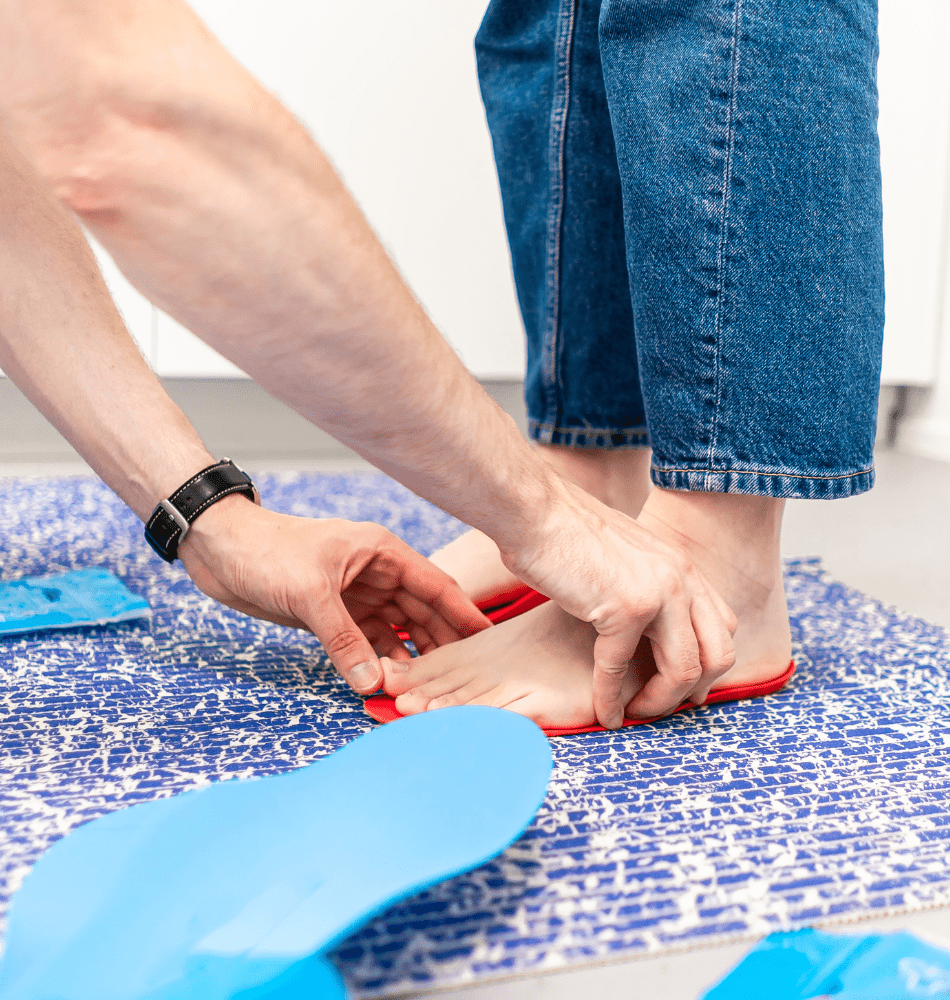
For some patients, custom-made orthotics may also play an important role in recovery. Unlike over-the-counter inserts, custom orthotics are designed to support the unique structure and biomechanics of the foot. When appropriate, we evaluate gait, posture, and pressure distribution to determine whether orthotics may help improve alignment, reduce strain, provide better shock absorption, and prevent recurring compensation patterns that contribute to ongoing pain.
Our goal is not only to reduce pain, but to improve walking, stability, confidence, and long-term function so patients can return to daily activities with greater comfort and less limitation.
Frequently Asked Questions about Complex Foot and Ankle Problems
What are the common causes of chronic foot and ankle pain?
Chronic foot and ankle pain can develop for many reasons, including unresolved injuries, plantar fasciitis, Achilles tendon problems, ankle instability, arthritis, nerve irritation, scar tissue, or poor walking mechanics. In some cases, pain continues because the body has developed compensation patterns after an injury or surgery, placing ongoing stress on the foot and ankle. When symptoms persist or keep returning, the problem is often more complex than inflammation alone.
Can physical therapy help when previous treatment has failed?
Yes. Many people come to physical therapy after trying rest, medications, injections, braces, or even previous therapy without lasting improvement. Complex foot and ankle problems may require a more detailed evaluation of movement patterns, balance, gait, joint mobility, and compensation throughout the body. At PD Rehab, we often work with patients whose symptoms have not improved with traditional treatment approaches.
Why does my foot or ankle pain keep coming back?
Recurring pain may happen when the underlying cause has not been fully addressed. Weakness, altered walking mechanics, scar tissue, ankle instability, poor balance, restricted mobility, or compensation in the knee, hip, or pelvis can continue to overload the foot and ankle. This is why symptoms sometimes return even after temporary improvement.
Can physical therapy help after foot or ankle surgery?
Yes. Physical therapy can help improve mobility, walking mechanics, strength, balance, swelling, and scar tissue mobility after surgery. Rehabilitation is often especially important in complex cases where stiffness, weakness, persistent pain, or difficulty returning to normal activities continues after the expected recovery period.
Can physical therapy help with numbness, tingling, or nerve pain in the foot?
In many cases, yes. Symptoms such as tingling, burning, numbness, or unusual sensitivity may be related to nerve irritation, inflammation, scar tissue restrictions, or altered mechanics that place stress on surrounding tissues. A thorough evaluation can help determine possible contributing factors and whether physical therapy may help reduce symptoms and improve function.

Start Moving with Greater Comfort
Persistent foot or ankle pain can make everyday activities frustrating and exhausting — especially when previous treatments have not helped. Whether you are dealing with chronic pain, post-surgical stiffness, recurring injuries, or difficulty walking, our team is here to help. Contact PD Rehab today to start a personalized treatment plan designed to improve mobility, reduce pain, and help you move with greater confidence.