


Physical Therapy for Adhesions and Scar Tissue
Adhesions and scar tissue often develop after surgery, injury, or inflammation. While this is a normal part of healing, problems begin when the tissue becomes too dense or loses its natural flexibility. Instead of allowing smooth, coordinated movement, it may start to restrict surrounding structures, creating tension, discomfort, and ongoing pain.
As a result, patients may notice stiffness, a pulling sensation, limited range of motion, or even symptoms that seem unrelated—such as digestive issues or pelvic discomfort. In many cases, the source of the problem is not immediately obvious, especially when scar tissue forms deeper within the body.
At PD Rehab in Mount Prospect, we focus on identifying and treating these restrictions at their source. Using advanced, gentle techniques such as Fascial Counterstrain, we help restore tissue mobility, reduce pain, and improve overall function—without aggressive or invasive approaches.
PROBLEMS CAUSED BY Adhesions and Scar Tissue
Adhesions and scar tissue can affect the body in ways that are not always obvious at first. As tissue becomes restricted, it may limit how muscles, joints, and surrounding structures move, leading to stiffness, discomfort, and difficulty with everyday activities such as bending, reaching, or walking.
Over time, this restriction can also contribute to chronic pain, especially when surrounding nerves or sensitive tissues become irritated. In some cases, the source of the pain is not where the symptoms are felt, which makes the problem harder to identify.
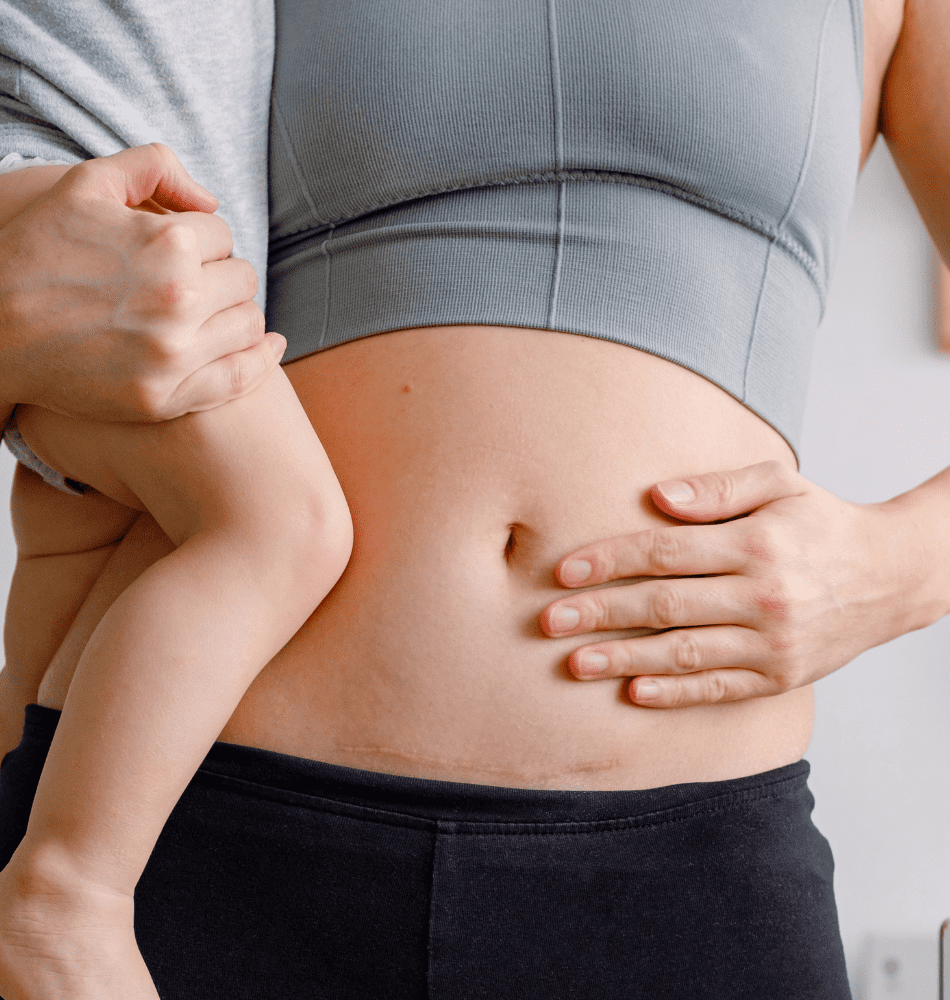
When adhesions develop internally, particularly after abdominal or pelvic surgery, they may affect how organs move and function. This can contribute to symptoms such as bloating, digestive issues, or pelvic discomfort.
In more complex cases, adhesions may also play a role in post-surgical complications, including ongoing pain or changes in normal function.
Because of this, symptoms don’t always appear where the problem starts. In many cases, restrictions caused by scar tissue can create tension patterns that affect other areas of the body, making the source of pain harder to identify.
How Our Approach Is Different
Many traditional approaches focus directly on the area where symptoms are felt. However, adhesions rarely exist in isolation. Over time, they can influence surrounding tissues, alter movement patterns, and create tension that affects other parts of the body.
At PD Rehab in Mount Prospect, we take a broader, more precise approach. Instead of aggressively working on the scar itself, we assess how the entire body has adapted to the restriction. This allows us to identify the true source of tension—even when it is not located at the site of pain.
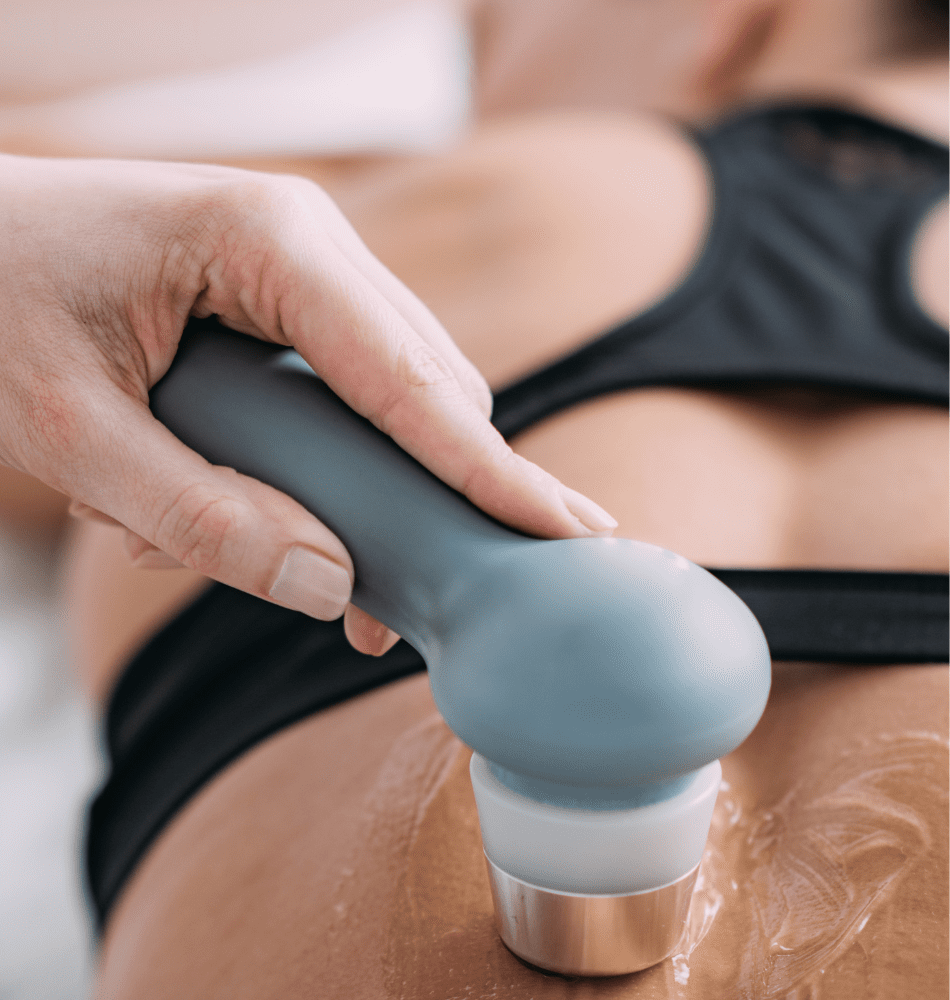
Using advanced, gentle techniques such as Fascial Counterstrain, we help calm the nervous system and release areas of abnormal tension. As tissue begins to relax, scar tissue and adhesions can gradually become less restrictive, allowing for improved mobility and function without causing additional irritation.
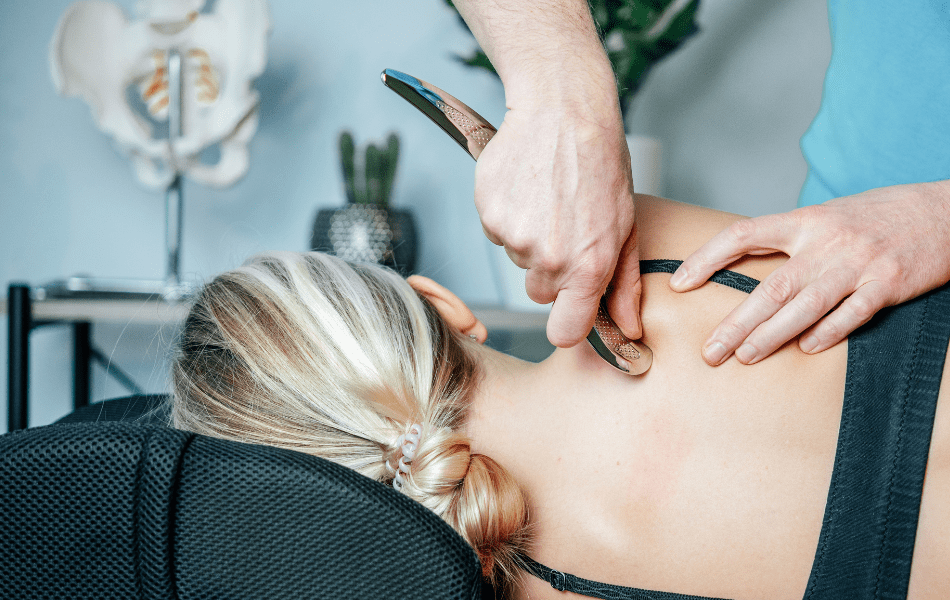
In addition, treatment may include carefully selected manual therapy techniques, such as myofascial release and scar mobilization, as well as targeted exercises designed to restore movement and support long-term results.
As a result, this approach is often more comfortable and more effective—especially in chronic or complex cases where traditional therapy has not provided lasting relief. Many of our patients come to us after trying other treatments, looking for a more precise and less aggressive way to address the root cause of their symptoms.
Frequently Asked Questions About Adhesions and Scar Tissue:
What is Scar Tissue?
Scar tissue forms as part of the body’s natural healing process after injury, surgery, or inflammation. It replaces damaged tissue with fibrous connective tissue. While this process is essential, the new tissue is often less flexible than normal tissue. As a result, it may limit movement or create tension—especially when it develops deeper within the body.
What Causes Scar Tissue and Adhesions?
Scar tissue can form after surgical procedures, injuries, burns, infections, or chronic inflammation. In some cases, internal adhesions develop when healing tissues begin to connect structures that should normally move independently. Over time, this may lead to discomfort, restricted movement, or changes in how the body functions.
How to Heal Internal Scar Tissue Naturally
Natural methods for reducing scar tissue and adhesions include:
- Scar massage – Breaks up scar tissue and improves circulation.
- Exercise & stretching – Enhances flexibility, collagen alignment, and prevents overgrowth.
- Active-Release Therapy (ART) – Applies tension to adhesions while moving to restore mobility.
- Hydration & nutrition – Supports tissue repair and elasticity.
- Herbal remedies – Certain supplements aid scar healing.
Can Scar Tissue be Treated Without Surgery?
In many cases, yes. Physical therapy is one of the most effective non-invasive approaches to managing scar tissue and adhesions. By improving how tissues move and reducing tension, therapy can significantly decrease pain and restore function without the need for additional procedures.
What Does Internal Scar Tissue Feel Like?
Internal scar tissue is often described as a feeling of tightness, stiffness, or pulling. It may cause pain with movement, limited range of motion, or discomfort that does not seem to match the location of the original injury. In many cases, symptoms develop gradually over time.
How Does Physical Therapy Help Scar Tissue?
Physical therapy focuses on restoring normal tissue mobility and reducing restriction. At PD Rehab in Mount Prospect, we use gentle, precise techniques such as Fascial Counterstrain, along with manual therapy and targeted movement strategies. As a result, treatment helps improve flexibility, reduce discomfort, and support long-term recovery.
Restore Mobility Beyond the Scar
Scar tissue and adhesions can continue to cause pain, tightness, and movement restrictions long after surgery or injury. At PDR Physical Therapy, we use advanced hands-on treatment to restore mobility and help your body function more normally again.