


Fascial Counterstrain Therapy for Persistent Symptoms
Many people come to physical therapy hoping to finally feel better — only to discover that symptoms continue to return or never fully go away. Sometimes treatment helps for a while, but progress stops. In other cases, medications, exercise programs, massage, injections, or even previous physical therapy bring only temporary relief. When symptoms continue despite treatment, the problem is often more complex than it first appears.
The body has an incredible ability to protect itself. After an injury, surgery, inflammation, illness, repetitive strain, or even prolonged physical or emotional stress, some areas of the body may remain irritated, tight, sensitive, or restricted long after the original problem improves. As a result, symptoms may continue without clear answers — even when imaging looks normal or treatment helps only temporarily.
Fascial Counterstrain is a gentle, whole-body treatment approach that helps identify areas that may still contribute to ongoing symptoms. Instead of focusing only on where symptoms are felt, therapists look at how different parts of the body may continue to affect healing and function. This may include muscles, connective tissues, nerves, circulation, lymphatic tissues, joints, and surrounding structures.
What Makes It Different?
Many treatments focus mainly on the area where symptoms are felt. However, when persistent pain, recurring headaches, pelvic symptoms, digestive discomfort, swelling, scar tissue restrictions, or unexplained symptoms continue to return, the source of the problem is not always where discomfort feels strongest.
Fascial Counterstrain takes a broader approach. Instead of focusing only on the painful area, our specialists look at how different parts of the body may continue to affect healing and function. In some cases, symptoms may relate to past injuries, surgery, inflammation, scar tissue, poor circulation, nervous system irritation, or areas of the body that continue to compensate long after the original problem.
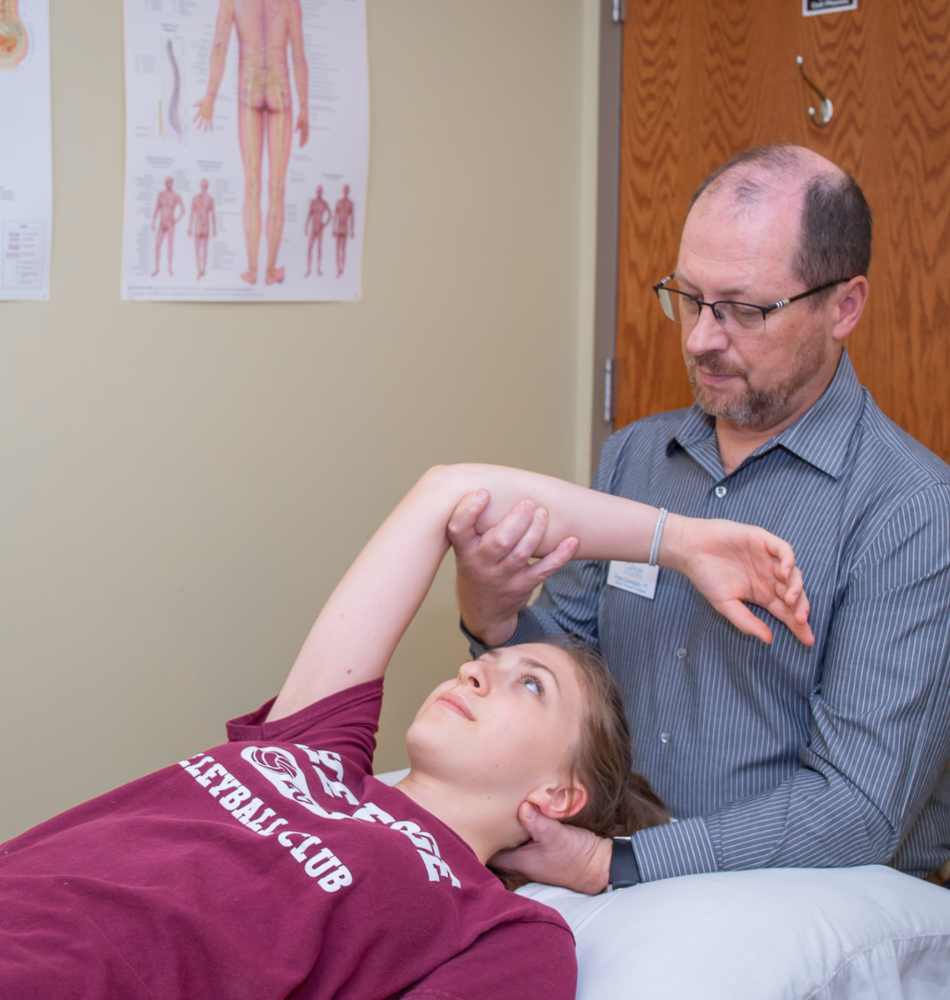
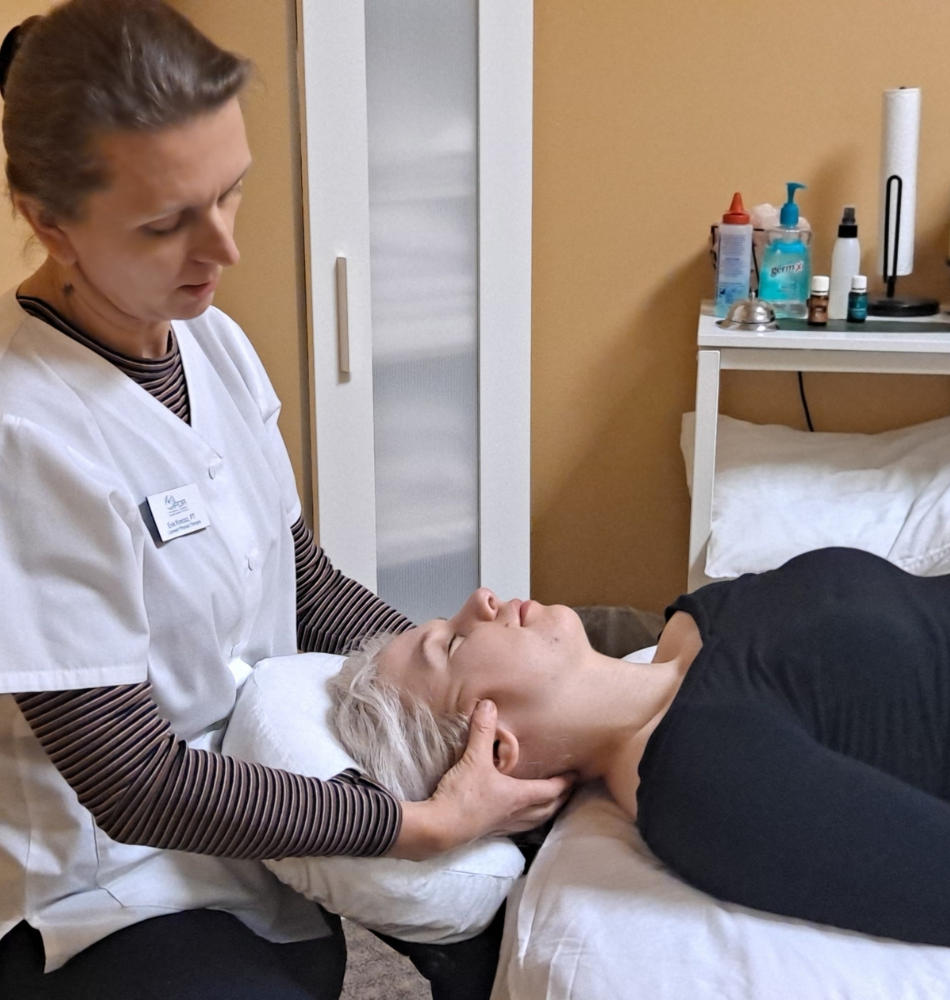
Many patients are surprised by how gentle Fascial Counterstrain feels. Treatment does not involve aggressive stretching, forceful manipulation, or pushing through pain. Instead, therapists use a gentle approach to help calm irritated or restricted areas of the body. Because of this, treatment is often a good fit for people recovering after surgery, living with chronic symptoms, or those who feel sensitive to more aggressive treatment approaches.
Could Fascial Counterstrain Be Right for You?
Fascial Counterstrain may be a good fit for people living with symptoms that are persistent, difficult to explain, or have not improved with previous treatment. Some people seek this approach because pain keeps returning. Others look for answers to symptoms that seem unrelated or never fully make sense.
Many of our patients come to us after trying different treatments without the results they hoped for. Others continue to struggle despite normal imaging or medical testing. Sometimes pain, headaches, dizziness, digestive symptoms, pelvic concerns, swelling, nerve irritation, or other unexplained symptoms simply do not match what scans or tests show. In these situations, people often look for a gentler, broader approach.
Fascial Counterstrain may help people dealing with recurring headaches, reflux, digestive discomfort, bladder or pelvic symptoms, scar tissue restrictions, or lingering symptoms after surgery, illness, or injury. It is also commonly used for more complex conditions such as fibromyalgia, CRPS, TMJ dysfunction, post-concussion symptoms, vestibular problems, or chronic symptoms that continue despite previous care.
Frequently Asked Questions
What is Fascial Counterstrain therapy?
What conditions can Fascial Counterstrain help?
Fascial Counterstrain may help people living with symptoms that continue despite previous treatment. This may include persistent pain, recurring headaches, dizziness, nerve irritation and swelling. It is also helpful in reflux, digestive discomfort, pelvic symptoms, bladder concerns, TMJ dysfunction, or lingering symptoms after surgery.
Some people seek this approach for scar tissue restrictions, hypermobility, fibromyalgia, or CRPS. Others come to us for lingering post-concussion symptoms, vestibular problems, or symptoms that remain difficult to explain.
Can Fascial Counterstrain help if physical therapy did not work?
Fascial Counterstrain takes a broader, whole-body approach. Instead of focusing only on the painful area, therapists look at what may still contribute to ongoing symptoms and delayed healing.
Does Fascial Counterstrain hurt?
Can Fascial Counterstrain help when MRI or imaging looks normal?
Many people come to us because they still struggle with pain, headaches, dizziness, digestive issues, pelvic symptoms, or other unexplained symptoms despite normal imaging or previous treatment. Fascial Counterstrain takes a broader, whole-body approach and may help identify factors that scans alone do not always show.
Is Fascial Counterstrain good for chronic or unexplained symptoms?
Because the approach is very gentle, treatment is often a good fit for people living with long-standing symptoms, complex conditions, or those who feel sensitive to more aggressive treatment approaches.

Relief from Persistent Symptoms
When symptoms continue despite treatment, it is easy to feel frustrated, discouraged, or unsure where to turn next. At PD Rehab, we take time to look at the bigger picture. Using advanced approaches, we work to better understand what may still be contributing to symptoms and whether out approach may be right for you. Contact us today to learn whether Fascial Counterstrain may fit your needs and goals.