The Hidden Danger of Falls in Older Adults: What You Need to Know
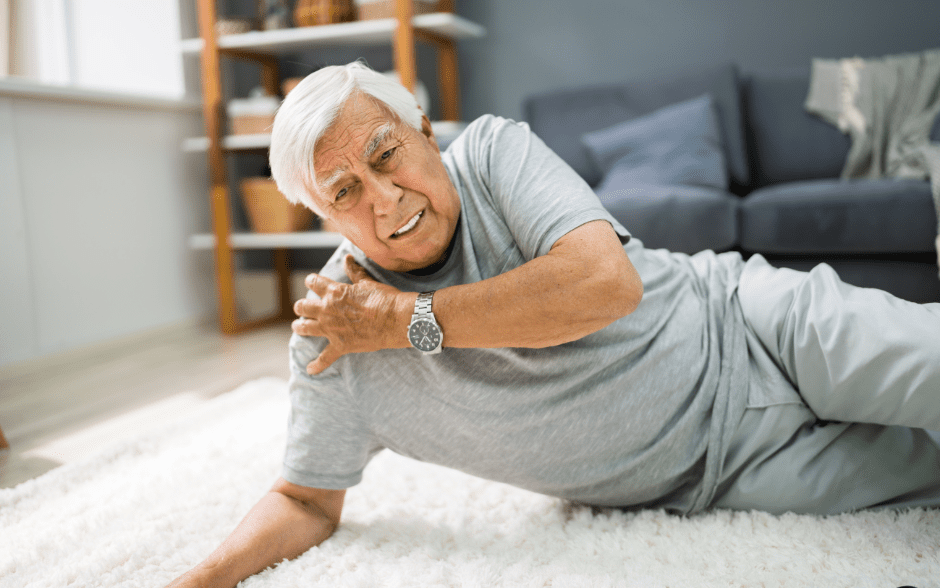
As we get older, the risk of falling becomes a major concern. Research shows that for those over 60 years of age, trips contribute to one-third of all injuries. Furthermore, the risk of slips only increases with age – one in two seniors over 80 is at risk of falling.
Falls can have serious consequences and often lead to long-term health issues. They are one of the main causes of injuries and deaths among older adults and can result in a significant loss of independence.
Why Do Falls Happen More Often in Older Adults?
Loss of balance can lead to serious injuries such as head trauma, fractures, or lacerations. These problems may require hospitalization, surgery, and lengthy rehabilitation. As a result, quality of life often declines after an injury-causing slip.
Just as importantly, trips often cause fear and loss of confidence. Many older adults begin limiting activities because they fear falling again, which can lead to weaker muscles and increased fall risk.
Common Risk Factors for Falls
- Poor or declining vision
- Weak muscles and balance problems
- Chronic conditions such as arthritis or Parkinson’s disease
- Medication side effects such as dizziness or drowsiness
- Environmental hazards like slippery floors or uneven surfaces
Early identification of these factors is key. With proper support — including physical therapy — many falls can be prevented.
Learn more on our page: Back and Neck Disorders.
Fall Prevention: What You Can Do Today
1. Create a Safe Home Environment
- Keep pathways clear of clutter
- Secure or remove loose rugs
- Improve lighting in all rooms and hallways
- Install grab bars in the bathroom
- Use non-slip mats in the shower or bathtub
More details on our treatment approach:
How We Treat.
2. Build Strength and Improve Balance
- Walking
- Gentle exercise classes
- Dancing
- Yoga or Tai Chi for balance
Strength and balance programs significantly reduce fall risk in seniors.
Research inspiration:
How to stay strong and coordinated as you age – Harvard Health.
3. Review Medications Regularly
Some medications may cause dizziness, fatigue, or low blood pressure, which increases loss of balance risk. Reviewing them with a healthcare provider is essential.
4. Support Overall Health
- Eat a balanced diet
- Stay hydrated
- Have regular medical and vision exams
- Manage chronic health conditions
What to Do After a Fall
If a fall occurs, seek medical attention immediately. Early treatment reduces complications and improves outcomes.
- Physical therapy
- Medication adjustments
- Home safety modifications
- Vision or hearing evaluations
Statistics and safety information:
CDC – Older Adult Fall Facts.
Need Help Preventing Falls or Recovering After One?
If you or a loved one has experienced a fall – or you are worried about balance and stability – our therapists at PDR Physical Therapy & Wellness Center are here to help.
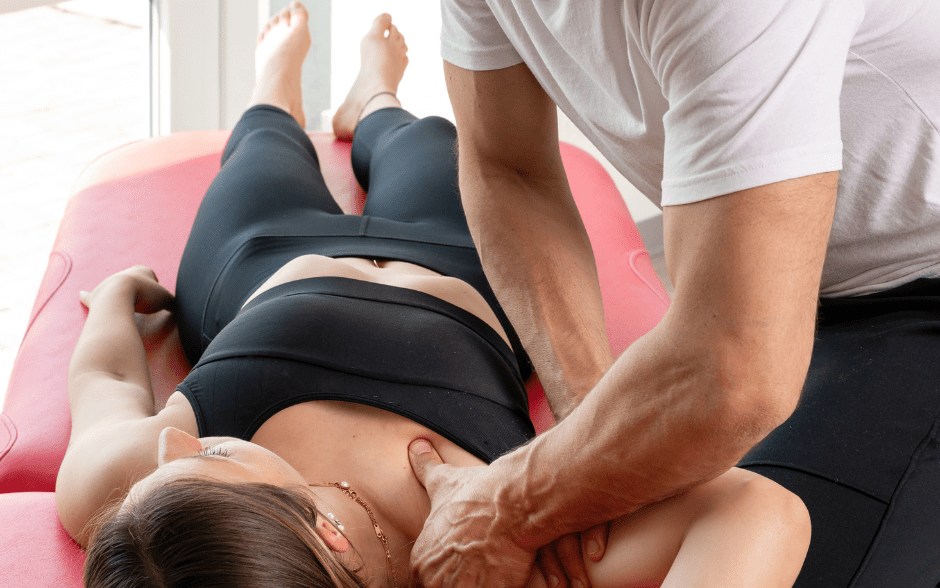
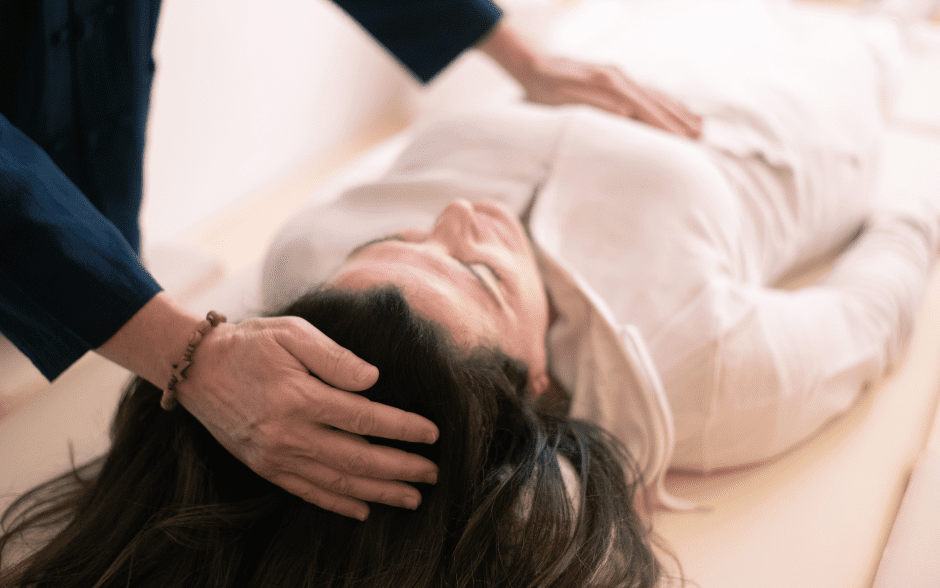
We offer comprehensive evaluations, individualized exercise programs, and gentle, hands-on therapies to improve safety, confidence, and independence.
Call us today or schedule an appointment online:
Contact PDR Physical Therapy & Wellness Center
in Mount Prospect, IL.
Be Proactive: Small Steps Make a Big Difference
Preventing falls requires awareness and action. Early intervention, safe environments, and regular physical activity can protect independence and overall well-being.
Stay safe — and take care!