Post-Concussion Syndrome: How Physical Therapy Helps with Dizziness, Headaches, and Neck Pain
Recovering from a concussion is not always as straightforward as expected. While many people feel better within days or weeks, others continue to experience symptoms that interfere with daily life, work, and physical activity.
When symptoms persist beyond the typical recovery period, the condition is commonly referred to as post-concussion syndrome. At this stage, a more targeted and individualized approach to care is often necessary.
What Is Post-Concussion Syndrome?
Post-concussion syndrome occurs when symptoms continue for weeks or months following a concussion. It may develop after a sports-related injury, car accident, fall, or work-related trauma. In some cases, symptoms appear gradually rather than immediately after the injury.
Rather than being caused by a single issue, post-concussion syndrome often involves multiple systems, including the nervous system, cervical spine, vestibular system, and surrounding connective tissues. For this reason, effective treatment requires a comprehensive and individualized approach.
Post-Concussion Syndrome Symptoms We Treat
Cognitive and Sensory Symptoms
Patients may experience persistent headaches, brain fog, difficulty concentrating, memory issues, sensitivity to light or noise, and visual disturbances following a concussion.
Physical Symptoms
Physical symptoms commonly include neck pain or stiffness, dizziness, balance problems, fatigue, reduced exercise tolerance, blurred vision, and sleep disturbances.
Emotional and Nervous System Symptoms
Irritability, mood changes, anxiety, depressive symptoms, and heightened nervous system sensitivity may also be present as part of post-concussion syndrome.
Because symptoms vary widely between individuals, identifying which systems are involved is essential for guiding appropriate physical therapy treatment.
Why Symptoms May Persist After a Concussion
A concussion affects more than the brain alone. Lingering symptoms are often influenced by cervical spine dysfunction, vestibular system impairment, nervous system dysregulation, and myofascial restrictions that remain after the initial injury.
As a result, rest alone is frequently insufficient. Addressing the mechanical and neurological contributors to symptoms is an essential part of recovery.
How Physical Therapy Helps with Post-Concussion Syndrome
Physical therapy plays an important role in post-concussion syndrome recovery by identifying and treating the underlying factors contributing to symptoms, rather than focusing solely on symptom management.
At PD Rehab, concussion physical therapy begins with a comprehensive evaluation of movement patterns, neck mobility, balance, coordination, and nervous system responses. Treatment is individualized and adjusted based on each patient’s tolerance and progress.
Physical Therapy May Address
- Cervical spine dysfunction contributing to headaches and dizziness
- Vestibular impairments affecting balance and spatial orientation (learn more about vestibular therapy)
- Nervous system hypersensitivity and autonomic regulation
- Neuromuscular coordination and postural control
- Myofascial restrictions limiting movement and comfort
Techniques Used in Concussion Rehabilitation
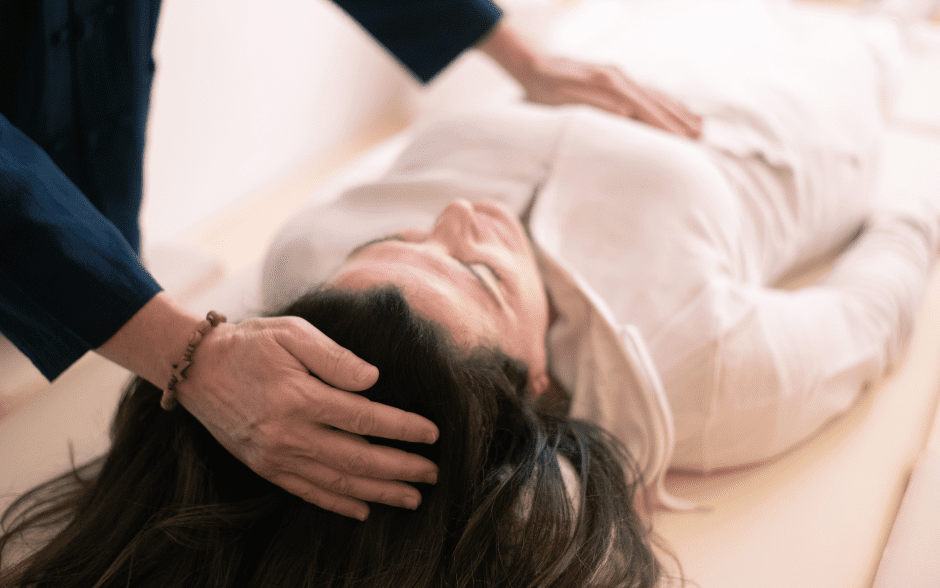
Fascial Counterstrain®
What Makes Our Approach Different
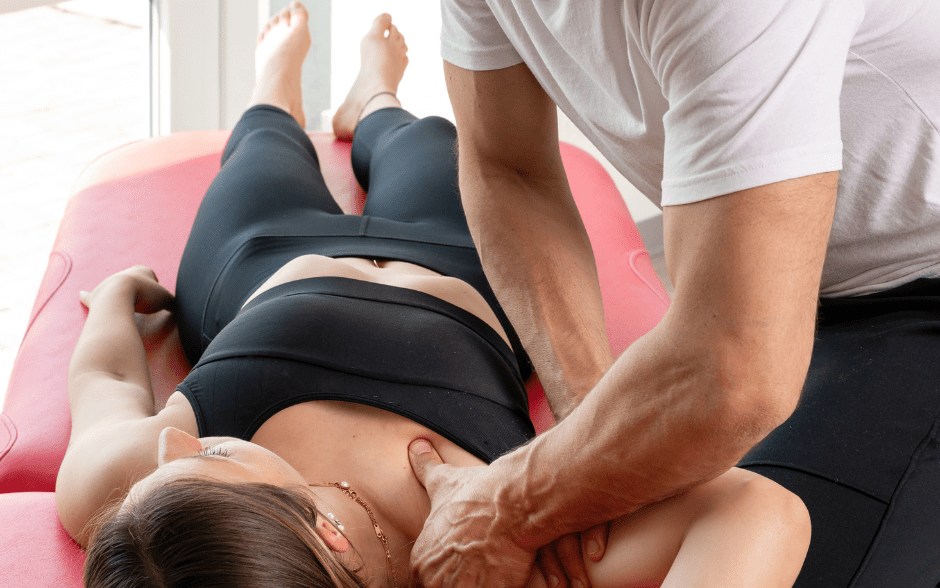
At PD Rehab, post-concussion rehabilitation goes beyond standard exercise-based protocols. One of the techniques that differentiates our care is Fascial Counterstrain®, an advanced manual therapy approach used to address nervous system dysregulation and deep fascial restrictions.
This gentle method is particularly valuable for patients with heightened sensitivity, persistent symptoms, or symptom flare-ups with activity or stress.
A gentle, precise manual therapy technique used to calm the nervous system and address deep fascial and neuromuscular restrictions commonly seen after a concussion.
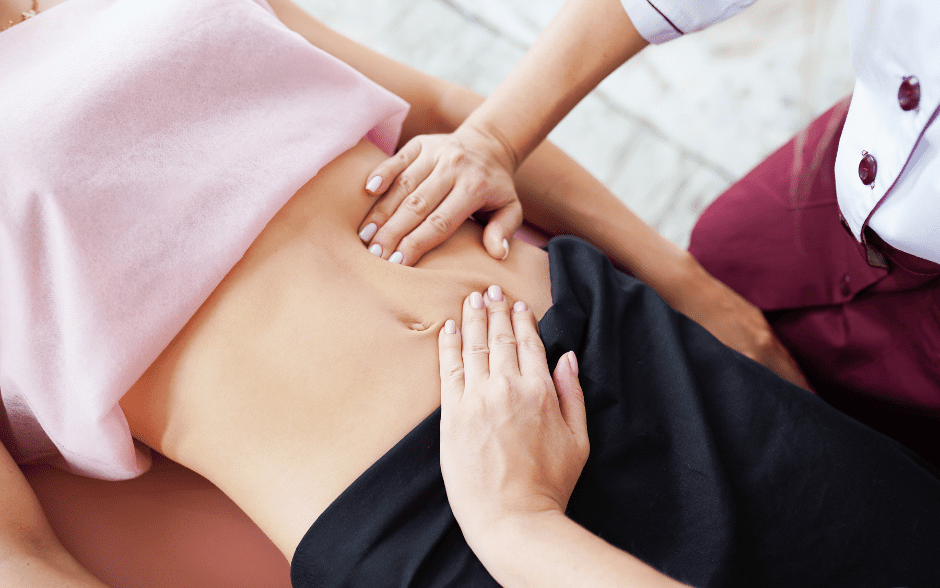
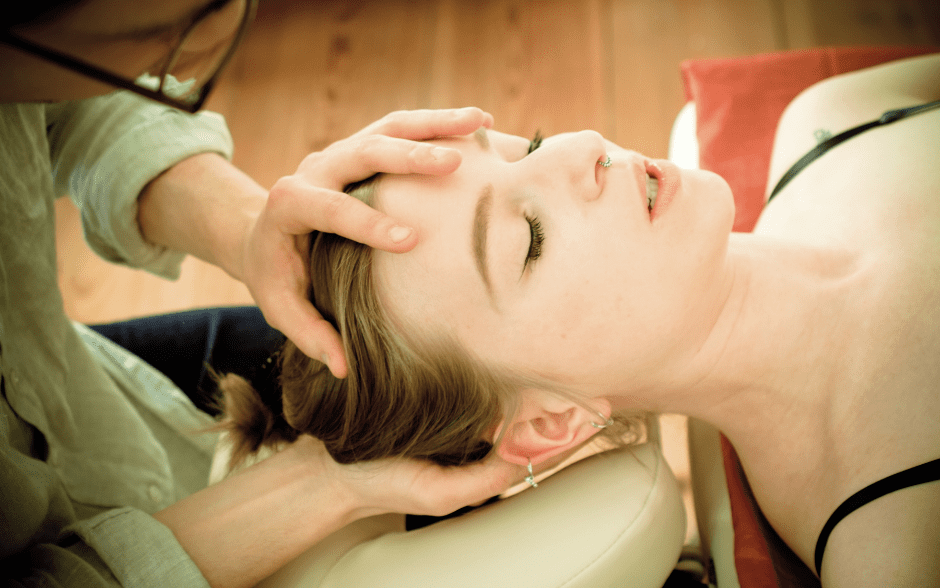
Manual Therapy
Hands-on treatment targeting the neck, spine, and soft tissues to reduce mechanical contributors to headaches, dizziness, and visual symptoms. (See more about our manual therapy approach.)
Vestibular Therapy
Targeted exercises designed to reduce dizziness, improve balance, and restore motion tolerance following a concussion. Learn more about vestibular rehabilitation.
Neuromuscular Re-Education and Activity Pacing
Exercises and education focused on improving coordination, posture, body awareness, and supporting a gradual return to daily activities.
Start Your Recovery at PD Rehab
Don’t let post-concussion syndrome control your life. At PD Rehab in Mount Prospect, IL, we provide individualized concussion physical therapy focused on safe, effective recovery.
Whether your symptoms developed after a sports concussion, car accident, fall, or work-related injury,
our team is here to help.