Why Custom Orthotics May Help Foot and Ankle Pain
Foot pain is rarely just about the foot. For many people, symptoms such as heel pain, aching arches, ankle instability, fatigue while walking, or recurring discomfort keep coming back. This can happen despite changing shoes, trying over-the-counter inserts, or even completing treatment. In some cases, pain develops gradually over time. In others, it begins after an injury, surgery, or changes in the way the body moves and absorbs stress.
One reason foot and ankle problems can become persistent is that the feet influence the mechanics of the entire body. The way your foot absorbs impact, distributes pressure, and supports movement can affect the ankles, knees, hips, pelvis, and even the lower back. When alignment or biomechanics are off, the body often compensates. Over time, these compensation patterns may create additional strain and discomfort.
This is where custom orthotics may help. Unlike generic shoe inserts, custom orthotics are designed to support the unique structure and biomechanics of your feet. However, not every foot problem can be solved by inserts alone. Knowing when orthotics may help — and when they work best as part of a broader treatment plan — is often key to finding lasting relief.
Over-the-Counter Inserts vs Custom Orthotics
Many people try over-the-counter shoe inserts before considering custom orthotics. In some cases, these products provide temporary comfort, extra cushioning, or mild support. This is especially true for minor discomfort or short-term irritation. However, generic inserts are designed to fit a wide range of people rather than the unique structure of an individual’s foot. Because of this, they may not fully address problems related to walking mechanics, uneven weight distribution, instability, or chronic strain.
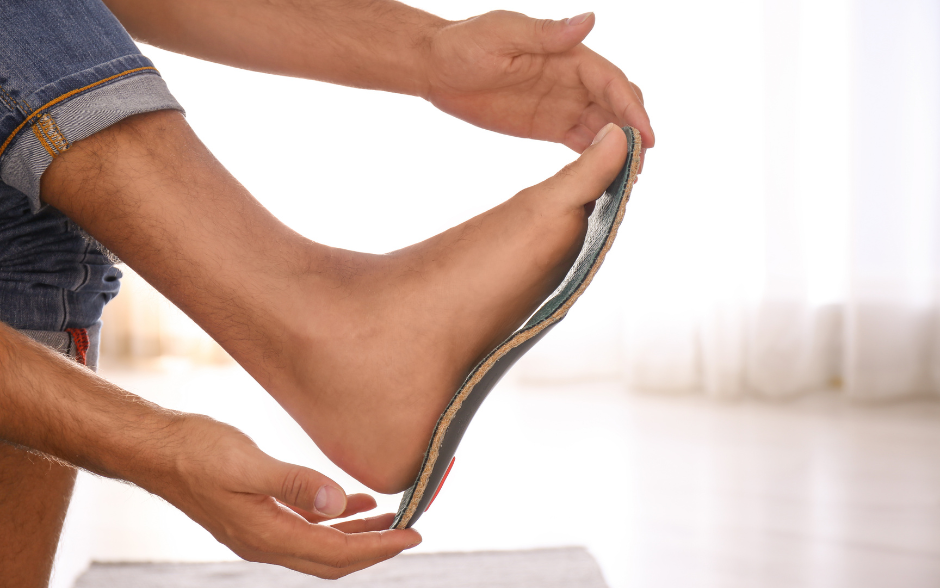
Custom orthotics are different because they are designed to match the specific shape, structure, and biomechanics of your feet. Their goal is not simply to add cushioning. They are made to improve alignment, reduce unnecessary stress on painful areas, and provide better support during walking and standing. For some people, this may help reduce symptoms such as heel pain, arch pain, ankle fatigue, instability, or discomfort that returns with activity.
That said, orthotics are not a “magic fix.” Even the best orthotic cannot fully resolve problems caused by weakness, compensation patterns, restricted mobility, poor walking mechanics, or lingering effects of past injuries. Long-term improvement often depends on understanding why pain developed in the first place. It also requires addressing the underlying factors contributing to ongoing strain.
Who Can Benefit from Custom Orthotics?
Custom orthotics may be helpful for a wide range of foot and ankle problems. They may be especially useful when symptoms are recurring, linked to poor biomechanics, or affecting everyday movement. While not everyone needs orthotics, they can provide meaningful support for people dealing with persistent discomfort, instability, or abnormal pressure on the feet.
One of the most common reasons people consider orthotics is plantar fasciitis. This is especially true when heel pain continues despite stretching, supportive shoes, or rest. By improving foot alignment and reducing strain on irritated tissues, orthotics may help decrease repetitive stress that contributes to ongoing pain. People with flat feet or collapsing arches may also benefit from additional support. Better support may improve shock absorption and reduce stress on the ankles, knees, and hips.
Orthotics may also help people experiencing ankle instability, repeated ankle sprains, or chronic fatigue in the feet and legs after standing or walking. In some cases, improved foot support may reduce unnecessary strain and improve balance during movement. For people with arthritis, orthotics may help distribute pressure more evenly and reduce stress on painful joints.
Orthotics are often beneficial after injury or surgery as well. This is especially true when changes in walking patterns or lingering weakness continue to affect comfort and function. However, the decision to use orthotics should always be based on individual needs, symptoms, and movement patterns. There is no one-size-fits-all approach.
What Makes Our Orthotics Different?
Not all orthotics are created the same. At PD Rehab, our custom orthotics are made to individual measurements rather than selected from pre-made templates or generic sizing. Every foot is different. Support that works well for one person may not be appropriate for someone else. The goal is not simply to add cushioning. It is to improve comfort, alignment, and the way the foot functions during daily activities.
Our orthotics are handcrafted using natural cork and leather. These materials are chosen for their durability, comfort, and supportive structure. They are also designed to feel natural inside the shoe. Each orthotic is made to match the unique shape and biomechanics of your feet. This may help reduce excessive pressure, improve stability, and support more efficient movement.
When needed, orthotics can also be trimmed to fit properly inside your shoes. This helps create a better fit for everyday use. Because footwear, activity level, and symptoms vary from person to person, we consider how orthotics may fit into daily life. We do not take a one-size-fits-all approach.
Most importantly, we view orthotics as a tool — not the entire solution. For some people, they provide meaningful relief on their own. For others, they work best when combined with physical therapy, movement retraining, and treatment that addresses the underlying cause of pain.
Why Orthotics Work Best as Part of a Bigger Plan
While custom orthotics can provide important support, they are rarely the entire answer to chronic foot or ankle pain. In many cases, symptoms develop because of several contributing factors rather than one isolated problem. Weakness, altered walking mechanics, old injuries, joint stiffness, compensation patterns, poor balance, or restrictions elsewhere in the body may all continue to place stress on the foot and ankle. This is one reason why some people notice only temporary improvement with inserts alone.
Our Approach
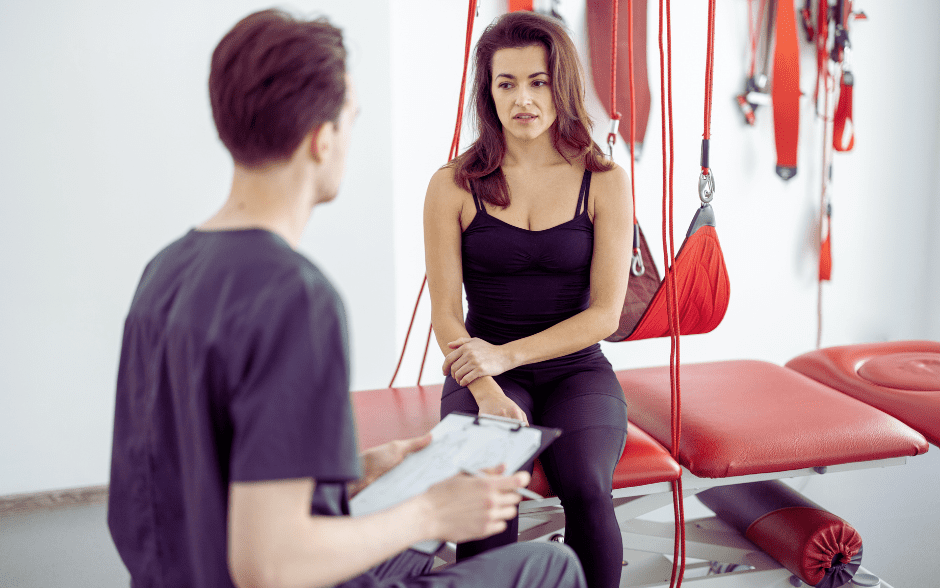
At PD Rehab, we look beyond the foot itself to understand what may be contributing to ongoing symptoms. The way you walk, stand, absorb impact, and distribute weight can affect how much strain is placed on the feet over time. Sometimes pain that appears to be “just a foot problem” may also be influenced by the ankle, knee, hip, pelvis, or even the lower back.
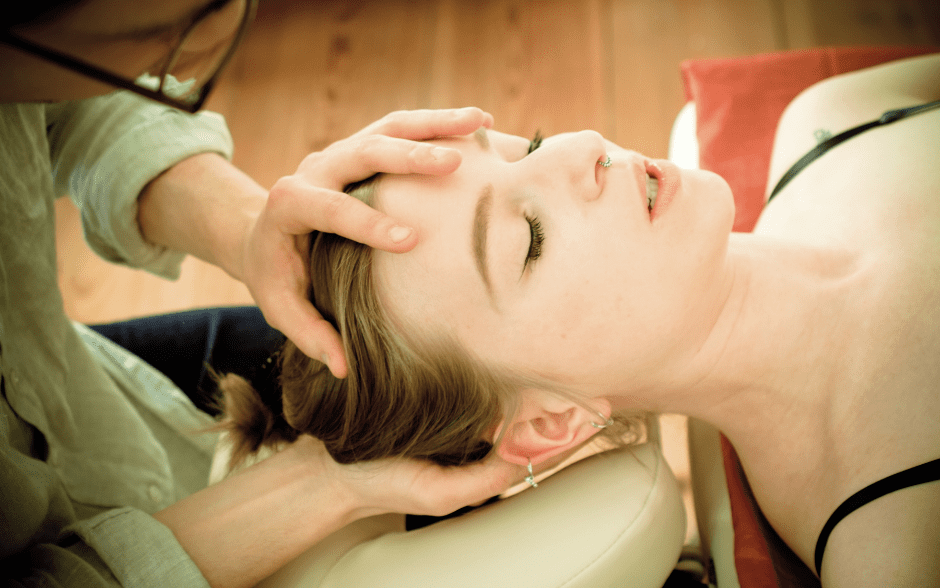
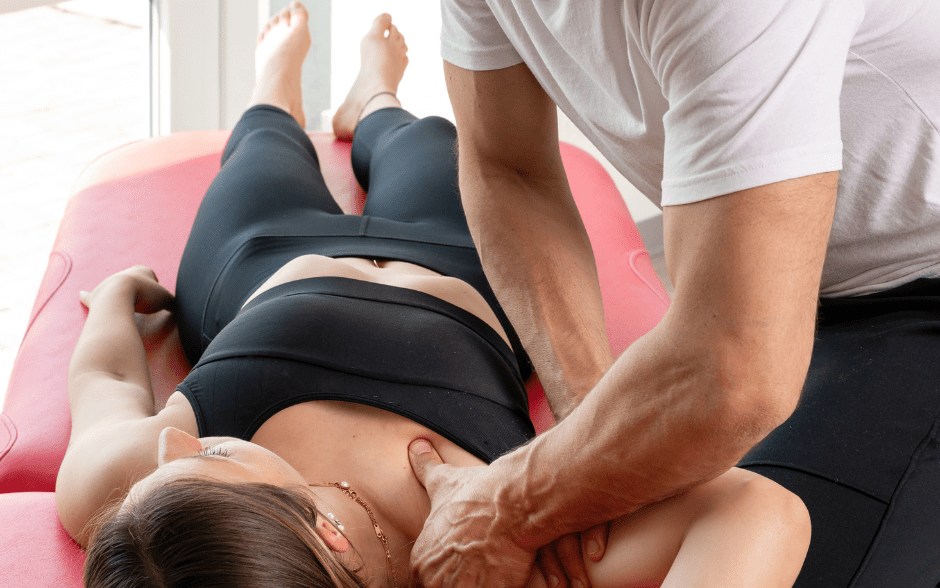
This is why orthotics often work best as part of a more comprehensive treatment plan. Depending on the condition, treatment may include physical therapy, gait retraining, manual therapy, targeted strengthening, balance work, and techniques to improve mobility. Treatment may also focus on reducing compensation patterns that continue to place stress on the body. By addressing both support and movement, we can often improve comfort, walking tolerance, and long-term function more effectively than with inserts alone.
For some people, orthotics become a long-term tool for support and prevention. For others, they are one step in the recovery process while the body regains strength, stability, and healthier movement patterns.
Ready to Find Better Support for Your Feet?
If foot, ankle, knee, hip, or lower back pain keeps coming back, custom orthotics may be an important part of your treatment plan. At PD Rehab, we evaluate how your feet move, how your body compensates, and whether custom-made orthotics may help improve comfort, support, and long-term mobility.
Contact PD Rehab today to schedule an orthotics evaluation and take the next step toward walking with better support and less discomfort.