Sports Injury Recovery: Why Some Injuries Never Fully Heal
You rested. You finished physical therapy. Maybe your MRI looked normal. You returned to your sport — and then the pain came back.
For many athletes and active individuals, this cycle becomes frustratingly familiar. An injury improves just enough to return to activity, only to flare up again weeks or months later. Sometimes it returns in the same place. Other times, pain begins somewhere completely different — knee pain after an ankle injury, shoulder problems after neck tension, or headaches and dizziness long after a sports concussion. If this sounds familiar, you are not alone.
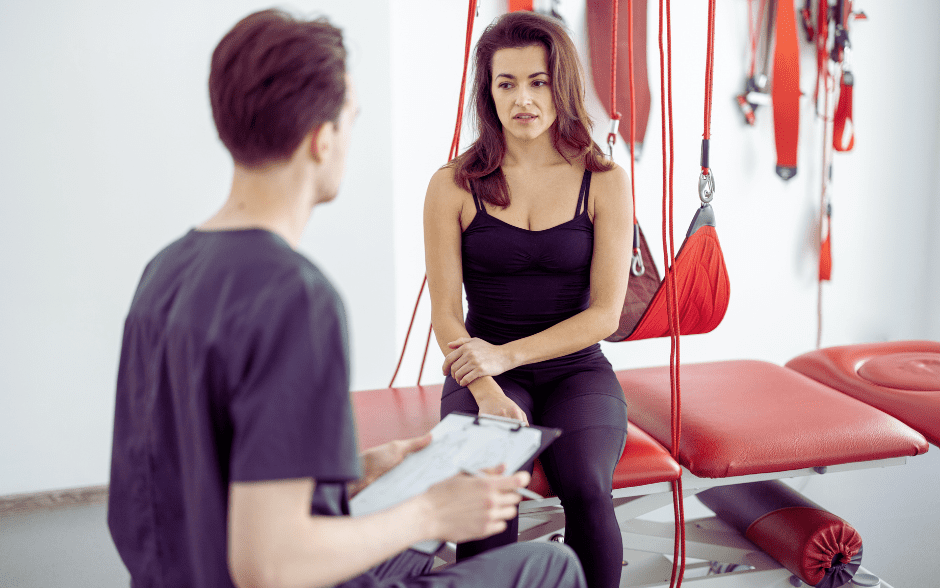
At PDR Physical Therapy & Wellness Center in Mount Prospect, we often work with athletes who have already tried rest, medications, injections, or even previous physical therapy but still feel like something was missed. They are frequently told they are “fine,” that imaging looks normal, or that they simply need more time. Yet something still does not feel right.
The truth is that sports injuries do not always heal as predictably as people expect. In some cases, the pain is not coming from where it seems. In others, the body never fully recovered the way it moves, compensates, and absorbs stress after the original injury.
Pain Is Gone Does Not Always Mean the Body Has Fully Recovered
One of the most common reasons sports injuries return is simple: athletes often go back too soon. Pain decreases. Swelling improves. Strength feels “good enough.” A doctor clears activity, or a training schedule demands a quick return. But reduced pain does not necessarily mean the body is functioning normally again.
After an injury, the body naturally adapts to protect itself. You may walk differently after an ankle sprain, change the way you swing after shoulder pain, or unconsciously shift weight away from an injured knee. Even when symptoms improve, those protective movement patterns can remain. At first, compensation may seem harmless. Over time, however, it can create new problems.
A basketball player who sprains an ankle may later develop knee pain. A runner with recurring hip pain may actually have unresolved restrictions elsewhere in the body affecting movement mechanics. A swimmer recovering from shoulder pain may unknowingly overload the neck and upper back. The original injury may seem healed — but the body may still be compensating. This is one reason why some athletes experience recurring sport injuries despite doing “everything right.”
Why Normal Imaging Does Not Always Explain Sports Pain
Many frustrated athletes hear the same thing:
“Your MRI looks fine.”
“Nothing serious showed up.”
“You should be okay to return.”
Imaging is extremely valuable and can rule out serious injuries such as fractures, ligament tears, or structural damage. However, imaging does not always explain persistent symptoms. Movement dysfunction, soft tissue restrictions, scar tissue, muscle guarding, nervous system irritation, and compensatory movement patterns may continue even when scans look normal.
This can feel confusing and discouraging — especially for athletes who know their bodies well. You know something still feels off. Your shoulder does not move the same. Your knee feels unstable despite “good” imaging. You can technically play, but not at the level you used to.
Sometimes, the problem is not that the injury never healed. Sometimes, the body never fully returned to working the way it should.
Overuse Injuries Are Often More Complex Than They Appear
Not all sports injuries happen suddenly. Many begin gradually — a little soreness after a workout, mild discomfort during practice, stiffness that disappears after warming up. Until one day, it no longer goes away.
Overuse injuries are especially common in runners, tennis players, golfers, swimmers, cyclists, and athletes who repeat the same movement patterns over and over again. Conditions such as tendonitis, runner’s knee, shin splints, shoulder impingement, tennis elbow, and hip pain are often treated as isolated problems. But the painful area is not always the true source of dysfunction.
For example, persistent knee pain may be influenced by poor ankle mobility, hip weakness, altered walking mechanics, or restrictions elsewhere in the body. Shoulder pain may involve rib cage mobility, neck tension, or how the upper body transfers force during movement. This is why simply resting the painful area sometimes fails. The symptoms may calm down temporarily, but when training resumes, the same stresses return — and so does the pain.
Scar Tissue and Adhesions After Sports Injuries
Another commonly overlooked factor is scar tissue and adhesions. After injuries, inflammation, or surgery, the body naturally creates scar tissue as part of healing. This process is normal and necessary. However, scar tissue does not always remodel optimally. Sometimes, tissues become restricted or lose mobility. Athletes may notice lingering stiffness, pulling, reduced range of motion, weakness, or the feeling that movement “just is not the same anymore.”
This can happen after:
- ACL or meniscus surgery
- shoulder injuries
- muscle tears
- repetitive strain injuries
- fractures or immobilization
- severe sprains
When tissues cannot move well, the body compensates. Over time, those compensations may contribute to recurring pain or repeated injuries.
Sports Concussions: When Symptoms Do Not Fully Go Away
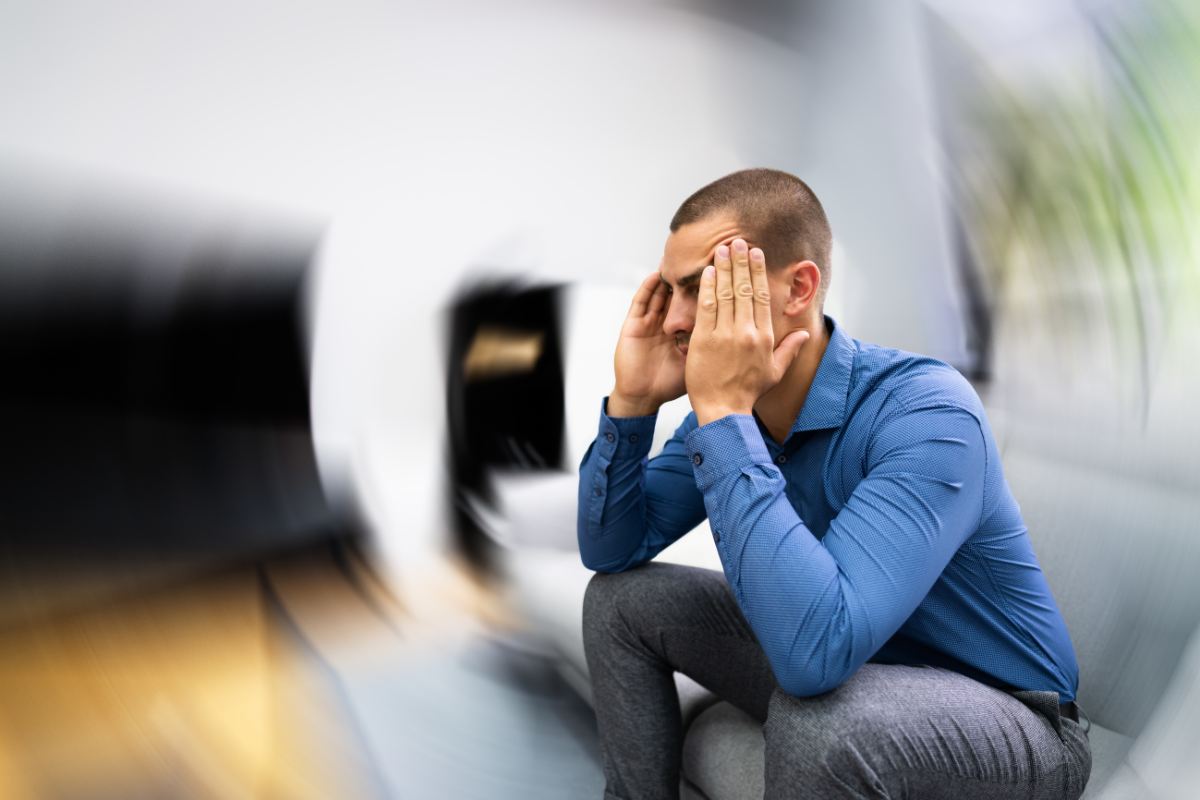
For some athletes, recovery becomes frustrating after a concussion. Headaches improve, and doctors may clear return to activity — yet something still feels wrong. Dizziness. Balance issues. Neck tension. Difficulty concentrating. Motion sensitivity. A feeling of “not feeling like yourself.”
Sports concussions can affect far more than the head alone.
In some cases, lingering symptoms may involve the neck, nervous system, visual processing, balance systems, or how the body responds to stress and movement. This is especially frustrating for athletes because symptoms are often invisible to others. Everything may appear normal — but performance, confidence, and daily function still feel different.
Young Athletes and Recurring Sports Injuries
Youth and teenage athletes are not immune to recurring sport injuries. In fact, they may be especially vulnerable. Many young athletes specialize in one sport early, train year-round, or play on multiple teams at the same time. During periods of rapid growth, muscles, tendons, and joints are already adapting to physical changes. When intense training is added on top of that, the body sometimes struggles to keep up.
We frequently see young athletes dealing with recurring ankle injuries, knee pain, overuse conditions, and repetitive strain problems that never seem to fully resolve. Often, families are told to “just rest.” Rest can help temporarily — but if the movement problem underneath remains unchanged, symptoms may continue to return.
A Different Way of Looking at Sports Injuries
At PDR Physical Therapy & Wellness Center, we often meet patients after months — sometimes years — of frustration. One patient came to us after recurring hamstring pain repeatedly interrupted recreational soccer. He had completed physical therapy elsewhere, rested multiple times, and even stopped playing for several months. Every time he returned, the pain returned too. After a more comprehensive evaluation, we found movement restrictions and compensation patterns affecting how his body transferred force while running. Once treatment addressed those issues, along with restoring movement and stability, he was finally able to return to soccer more comfortably.
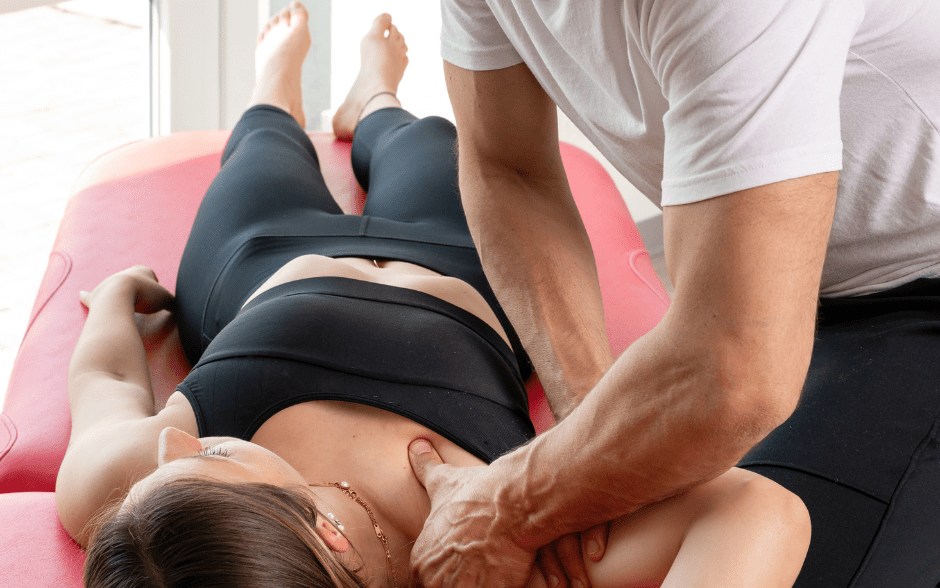
Every athlete is different, and no treatment approach works for everyone. But sometimes, recurring sport injuries require looking beyond the painful area itself. Rather than focusing only on symptoms, treatment may involve understanding how the entire body moves, compensates, and recovers after injury. This may include manual therapy, movement retraining, scar tissue mobilization, balance and stability work, and advanced approaches such as Fascial Counterstrain to address underlying dysfunction that may be contributing to persistent symptoms. Read more about offered treatment on our blog.
When Should You Consider Physical Therapy for a Sports Injury?
You may benefit from sports injury physical therapy if:
- your injury keeps coming back
- pain returns when you restart activity
- imaging looks normal, but symptoms persist
- you do not feel fully recovered despite being “cleared”
- you feel unstable, stiff, or weaker than before
- symptoms changed location after an injury
- previous treatment did not fully help
Sometimes, the missing piece is not more rest. Sometimes, it is looking at the problem differently.
Find the Missing Piece in Your Recovery
If you are struggling with a recurring sports injury, persistent pain, or feel like something never fully healed, it may be time to look deeper.
At PDR Physical Therapy & Wellness Center in Mount Prospect, we work with athletes and active individuals throughout the Chicago suburbs to identify contributing factors that may be getting overlooked and help support a safer return to movement and sport.