CRPS Treatment Options: Physical Therapy, Symptoms, and Chronic Pain Management
Complex Regional Pain Syndrome (CRPS) is a chronic pain condition that may develop after injury, surgery, fracture, or prolonged immobilization. It is characterized by persistent pain, sensory changes, and heightened sensitivity within the nervous system.
CRPS treatment requires a careful, individualized approach due to the condition’s complexity and pain sensitivity. Physical therapy for CRPS focuses on reducing pain, improving function, and gradually restoring movement tolerance while respecting the nervous system’s response. In this guide, we explain CRPS symptoms, the difference between CRPS type 1 vs 2, and common CRPS treatment options, including how CRPS physical therapy supports long-term chronic pain management.
What Is CRPS (Complex Regional Pain Syndrome)?
Complex Regional Pain Syndrome (CRPS) is a disorder of the nervous system in which pain signals become amplified and prolonged, even after tissues have begun to heal. The condition typically develops after an injury, surgery, fracture, or period of immobilization, but the intensity and persistence of pain cannot be explained by the original injury alone.
In CRPS, the nervous system remains in a heightened protective state. As a result, sensations that would normally be non-painful—such as light touch, movement, or temperature changes—may trigger significant pain. This abnormal pain processing is what distinguishes CRPS from typical post-injury pain.
CRPS most often affects one limb (an arm, hand, leg, or foot) and may involve changes in skin temperature, color, swelling, stiffness, and movement difficulty. In some cases, symptoms may gradually spread beyond the initially affected area and involve the opposite, previously unaffected limb. Because CRPS affects both sensory and motor function, effective treatment must address not only pain intensity, but also nervous system regulation and functional recovery.
CRPS Type 1 vs Type 2
CRPS is commonly classified into two types based on whether a specific nerve injury can be identified. This distinction helps describe how the condition developed, but it does not determine pain severity or predict how someone will respond to treatment.
- CRPS Type 1 develops without a confirmed nerve injury and is the most common form. Symptoms typically appear after trauma, surgery, fracture, or immobilization.
- CRPS Type 2 occurs when a specific nerve injury is identified. In addition to pain, patients may experience more clearly defined neurologic symptoms related to the affected nerve.
Both types can involve significant pain sensitivity, movement limitation, and functional impairment. From a physical therapy perspective, treatment principles are similar and focus on nervous system regulation, gradual exposure to movement, and restoration of function.
CRPS Symptoms
- Burning or deep aching pain
- Extreme sensitivity to touch or temperature
- Swelling and skin color changes
- Stiffness and limited movement
- Pain spreading beyond the original injury
How Pain Is Measured: McGill Pain Index
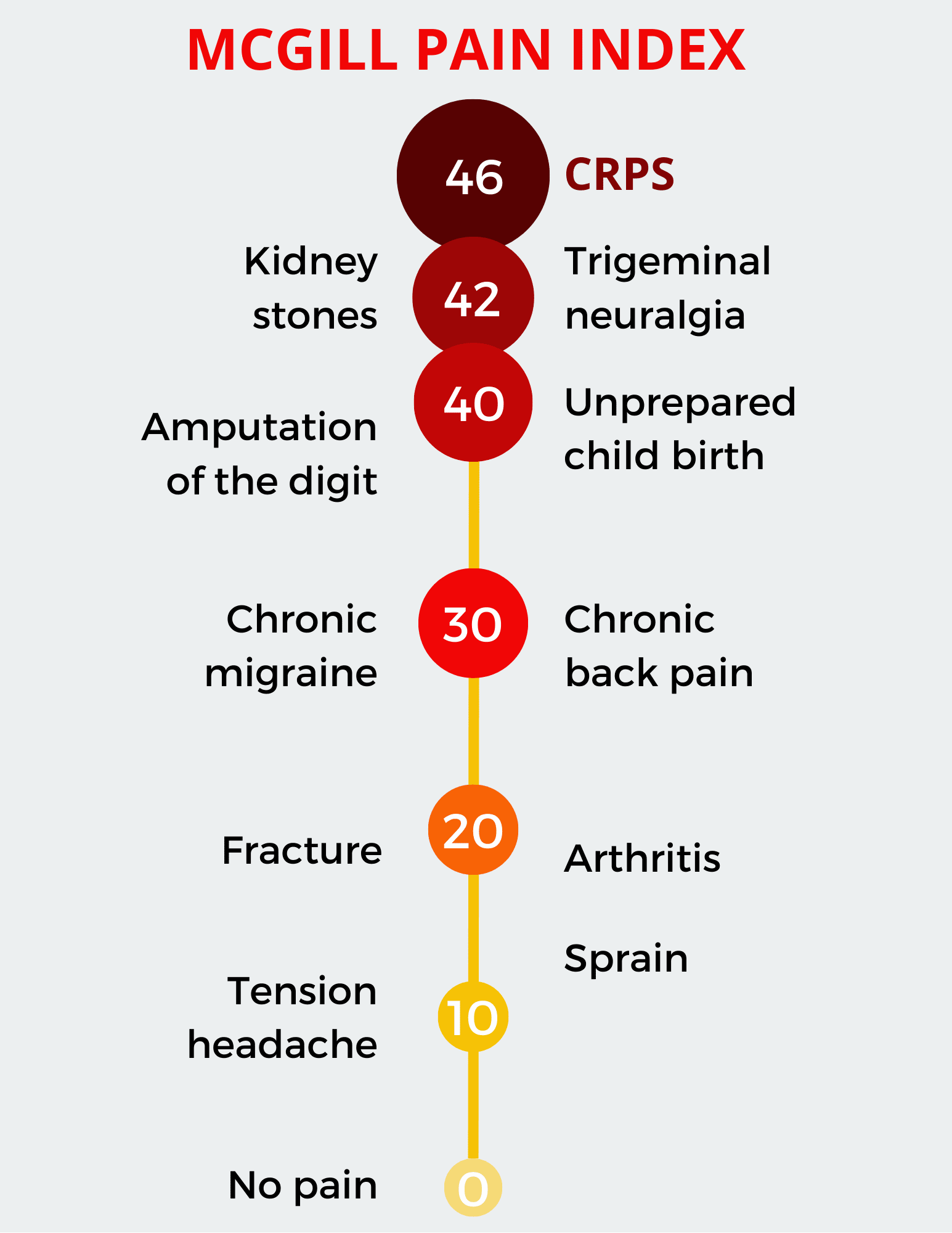
The McGill Pain Index helps describe not only pain intensity, but also pain quality. This allows physical therapy for CRPS to be adjusted based on sensitivity, triggers, and nervous system response.
CRPS Treatment Options at PD Rehab
Treating CRPS requires an approach that respects extreme pain sensitivity and nervous system reactivity. In many cases, treatment does not begin with direct contact to the painful limb. Instead, therapy focuses on calming the nervous system and reducing pain signaling before progressing toward movement and functional use.
Fascial Counterstrain (Primary Treatment Approach)
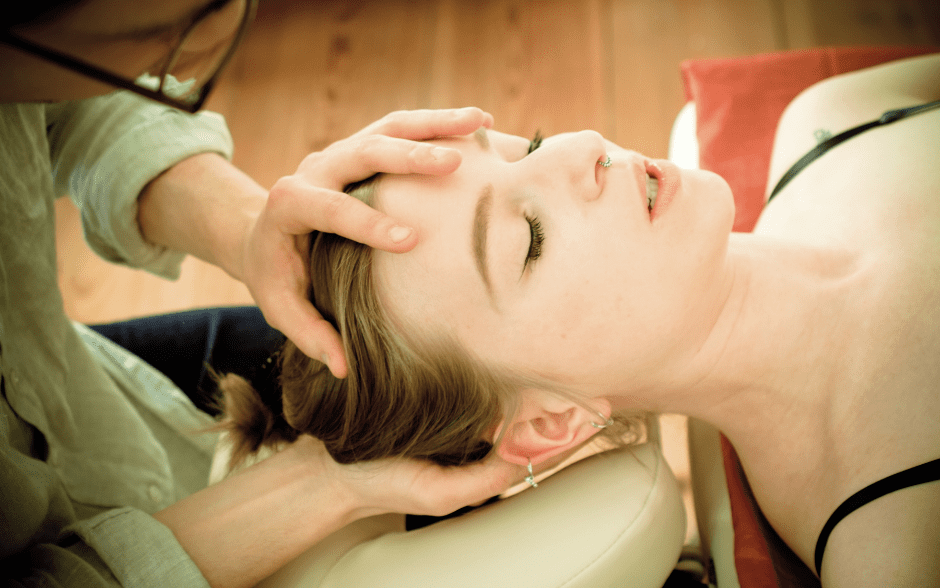
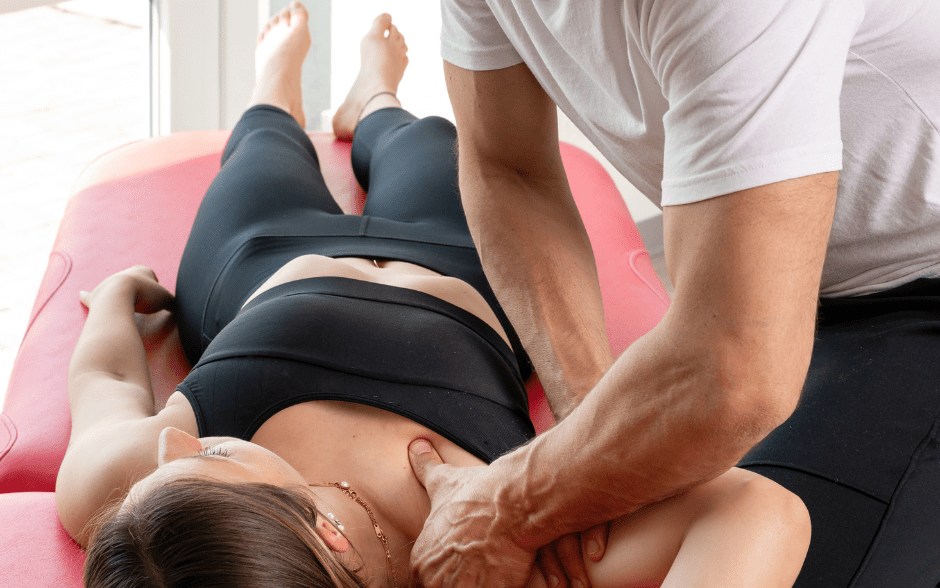
Fascial Counterstrain (FCS) is a gentle, indirect manual therapy technique that works through the nervous system and fascial networks rather than directly on painful tissues. This makes it particularly well suited for patients with CRPS who cannot tolerate touch, pressure, or movement of the affected limb.
Using precise positioning and sustained holds, FCS helps reduce protective muscle guarding, decrease abnormal pain signaling, and calm the autonomic nervous system. Importantly, treatment can often be performed away from the most painful area, allowing progress without triggering flare-ups.
Movement Retraining and Gradual Exposure
Once pain sensitivity begins to decrease, physical therapy gradually introduces safe, controlled movement. The goal is to improve tolerance, restore function, and rebuild confidence in using the affected limb without provoking symptoms.
When Is Direct Manual Therapy Used?
Traditional hands-on techniques or localized manual therapy may be introduced later in the process—only if and when the nervous system can tolerate it. In CRPS, timing and dosage are critical, and hands-on treatment is always adapted to the patient’s sensitivity level.
CRPS Physical Therapy in Mount Prospect, IL
If you are living with Complex Regional Pain Syndrome, physical therapy must be carefully adapted to pain sensitivity and nervous system reactivity. At PD Rehab, CRPS treatment is designed to respect pain sensitivity and nervous system reactivity from the very first visit. Our therapists specialize in Fascial Counterstrain–based physical therapy for complex pain conditions. Treatment often begins without direct contact to the most painful area and progresses only as your system allows.
The first step is a comprehensive evaluation to understand your symptoms, sensitivity level, and functional limitations—so a safe, individualized plan can be created.
Serving Mount Prospect and surrounding Chicago suburbs.
Related Resources
If you’d like to read more about CRPS from trusted medical sources, these resources may help.