Pelvic Floor Dysfunction Symptoms: How Pelvic Problems Affect Your Whole Body
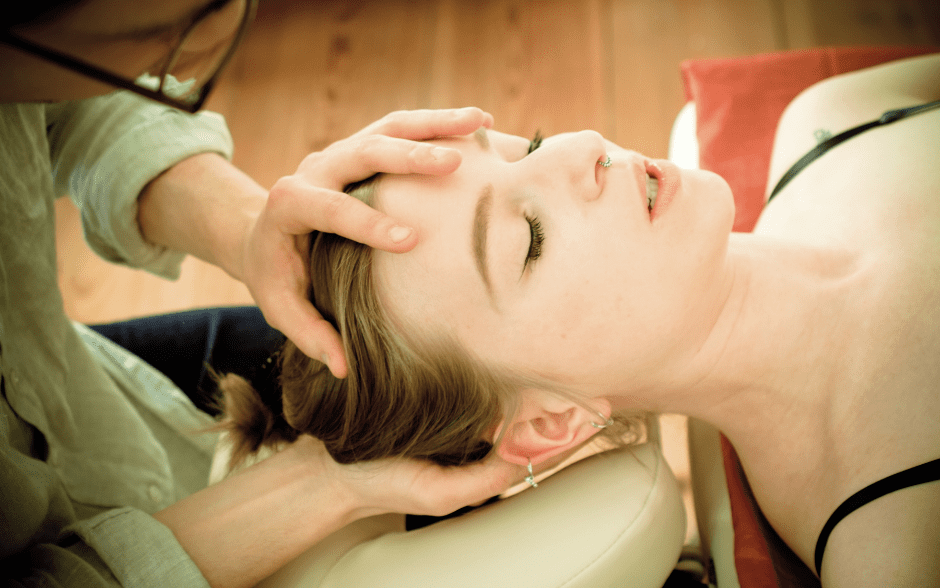
Usually, when we think about pelvic floor problems, we associate them only with women. However, both women and men can struggle with a wide range of pelvic floor dysfunction symptoms. The good news is that many of these problems, including pelvic pain and pelvic dysfunction, respond very well to a painless, non-invasive manual therapy technique called
Fascial Counterstrain.
This article complements our service pages
Physical Therapy for Postpartum and Pelvic Floor Problems
and
Physical Therapy for Pelvic Floor Problems in Men.
Here, we focus on how pelvic floor dysfunction symptoms affect the whole body and how gentle, external treatment can help both women and men.
Pelvis Basics: Why Pelvic Floor Health Matters
The pelvis includes the hip bones, lumbar spine, sacrum, and coccyx. In the front, the pubic symphysis connects the two sides. The male pelvis is usually narrower and longer, while the female pelvis tends to be wider and lower.
Despite these differences, the pelvis supports and protects internal organs and carries nerves and blood to and from the lower limbs. When the pelvic floor does not work well, pelvic floor dysfunction symptoms may appear in many different areas, sometimes far away from the pelvis.
How Pelvic Floor Dysfunction Symptoms Develop
Circulatory disorders such as swelling, poor wound healing, and varicose veins may start in the pelvic region. They often relate to adhesions, surgical scars, chronic inflammation, childhood trauma, decreased intestinal peristalsis, or tumors.
Impaired intestinal peristalsis can cause chronic diarrhea or constipation. Increased abdominal pressure contributes to pelvic pain, nerve compression, and neuralgia, including burning, tingling, or numbness. Nerve compression may also interfere with urinary and sexual function, creating additional pelvic floor dysfunction symptoms.
Pelvic Floor Dysfunction Symptoms You Should Not Ignore
Common pelvic floor dysfunction symptoms may include:
- Pelvic pain or pressure
- Urinary incontinence or urgency
- Difficulty emptying the bladder or bowels
- Constipation or chronic straining
- Burning, tingling, or numbness in the pelvis or groin
- Pain during intimacy or reduced sexual sensation
- Low back or hip pain that does not improve with typical care
If you recognize these pelvic floor dysfunction symptoms, your pelvic floor, fascia, and nerves may need more than standard strengthening exercises.
Urinary Incontinence – Causes and Treatment
Urinary incontinence can have many causes, including nerve damage, perinatal trauma, inflammation, adhesions, and tumors. These problems often respond well to Fascial Counterstrain. Our therapists have successfully helped many patients avoid medication or invasive procedures.
One patient originally visited our clinic due to chronic back pain. He reported waking up eight times each night to use the bathroom. After Fascial Counterstrain treatment to the nerves controlling bladder function, he woke up only twice the following night. With ongoing treatment, both his back pain and pelvic floor dysfunction symptoms improved significantly.
Intimate Life Back to Normal
Sexual problems often appear when nerves and circulation in the pelvic region become restricted. Fascial Counterstrain improves nerve mobility and blood flow, helping restore sexual function without internal procedures.
One patient struggled with lower back pain radiating into the groin. He also reported long-term sexual dysfunction. After treating the nerves and fascia supplying the genitourinary system, his symptoms resolved. At his next visit, he happily shared that his intimate life returned to normal.
Beyond the Pelvis: Back Pain, Digestion, and Circulation
The pelvis acts as a crossroads for nerves, blood vessels, and fascia. Because of this, pelvic floor dysfunction symptoms often extend to the back, hips, abdomen, and legs.
We often combine pelvic treatment with
visceral therapy
to reduce restrictions around internal organs and improve digestion and circulation.
Pelvic Floor Dysfunction Symptoms and the Nervous System
The pelvic floor is closely connected to the autonomic nervous system. When this system becomes irritated, symptoms such as urgency, frequency, burning, or internal tension may appear.
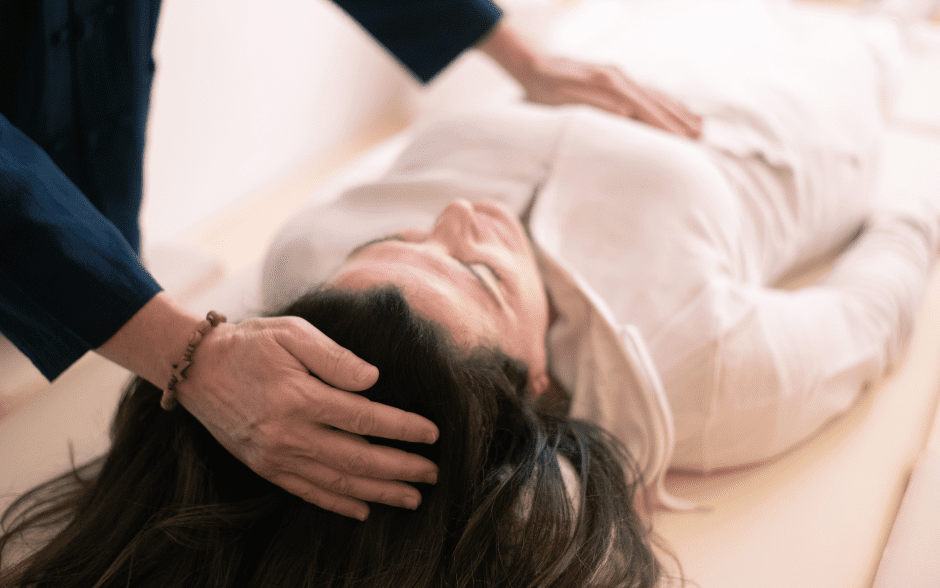
Fascial Counterstrain gently treats fascial coverings of nerves and autonomic ganglia. Reduced mechanical irritation helps calm the nervous system and ease neurologic pelvic floor dysfunction symptoms.
How We Assess Pelvic Floor Dysfunction Symptoms at PDR
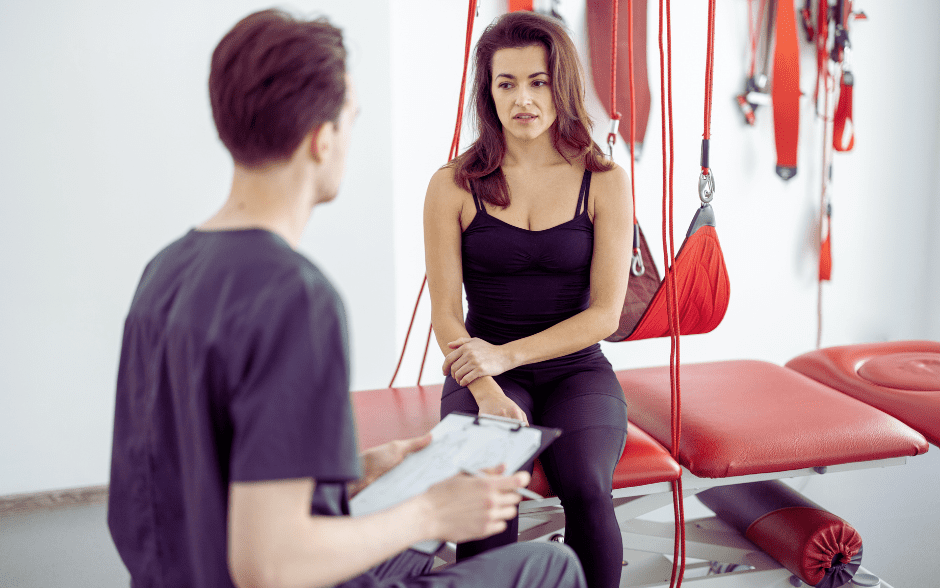
During your visit, our therapists take a detailed history and perform a gentle, external assessment. We evaluate the pelvis, abdomen, hips, diaphragm, and spine. This approach allows us to identify all systems involved in your symptoms.
We do not perform internal examinations. Instead, we use external palpation and Fascial Counterstrain diagnostic points to identify the structures under the greatest strain.
Gentle, Non-Invasive Treatment Without Internal Procedures
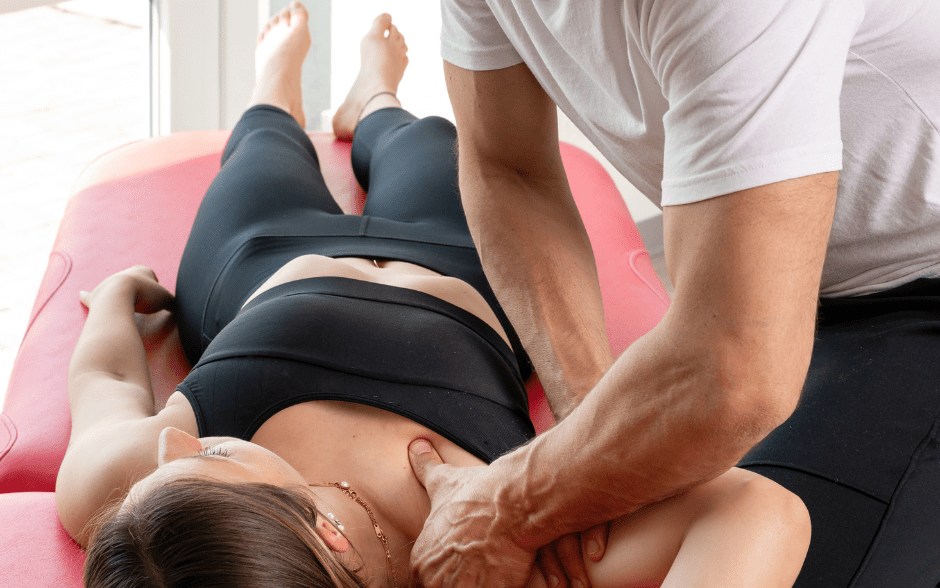
Our methods are non-invasive and do not include any internal work. We use gentle pressure around the sacrum, pubic symphysis, abdomen, and lower back to relieve restrictions affecting pelvic function.
This approach helps many patients who did not improve with standard pelvic floor therapy, traditional physical therapy, or medication.
Living with pelvic floor dysfunction symptoms is not something you must accept. Whether you deal with incontinence, pelvic pain, digestive problems, or intimacy issues, our therapists are ready to help.
Call us today to schedule your free consultation at PDR Physical Therapy & Wellness Center in Mount Prospect, IL and find out whether our gentle, non-invasive pelvic floor and visceral therapy can help you.