Complex Regional Pain Syndrome (CRPS): Dorothy’s Story and Fascial Counterstrain Therapy
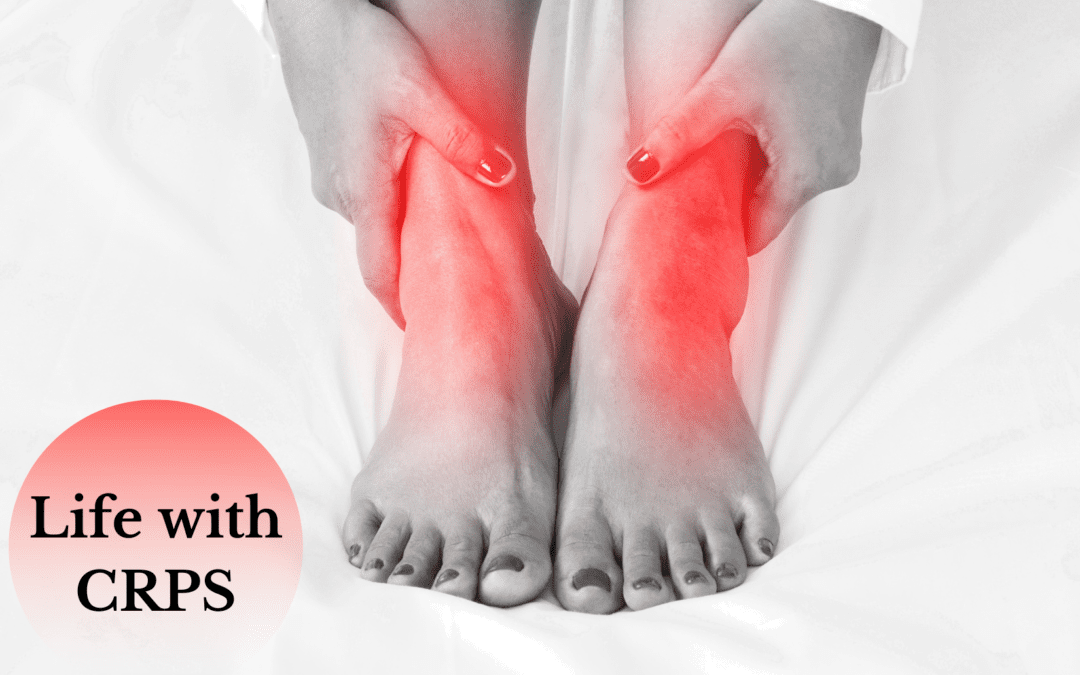
Complex Regional Pain Syndrome (CRPS) is a little-known, extremely painful condition. Few doctors are familiar with it, and even fewer patients recognize the symptoms. As a result, getting an accurate diagnosis is challenging, and finding effective treatment can be even harder.
What is CRPS?
CRPS is ranked among the most painful conditions on a pain scale developed by Canadian doctors Dr. Velasco and Dr. McGill. This 50-point scale ranges from 0 (no pain) to 50 (maximum pain). CRPS scores 46 points, while limb amputation scores 39, and chronic migraine 29.
Pain from CRPS typically affects a limb and may occur after:
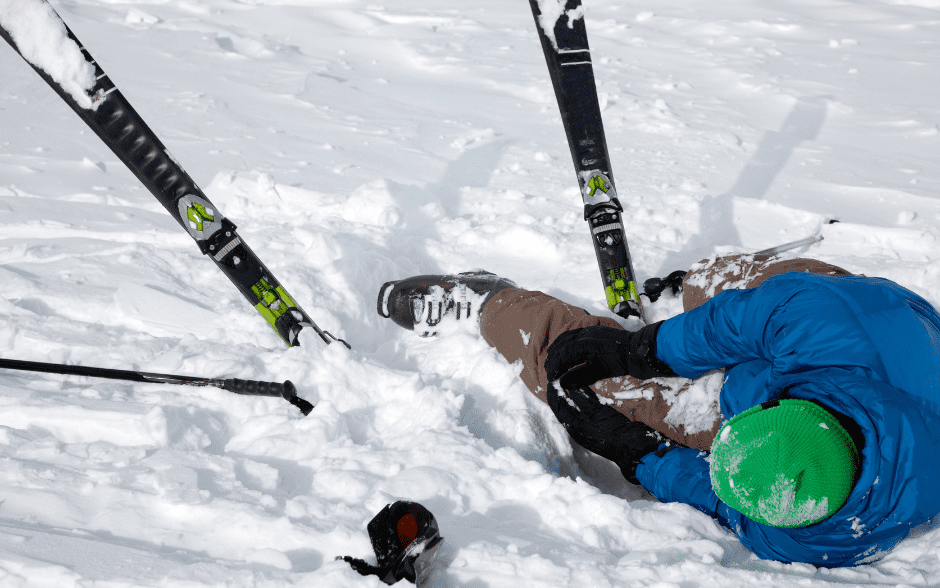
- An injury such as a fracture or dislocation
- Poorly performed surgery
- Stroke or heart attack
In 90% of cases (CRPS type 1), CRPS occurs without direct nerve damage. Early diagnosis and treatment within the first three months significantly improve outcomes.
CRPS type 2, which occurs in 10% of patients, involves nerve damage and is considered incurable.
Learn more about diagnosis and treatment options on our dedicated page:
Physical Therapy for CRPS
.
CRPS Symptoms
CRPS is often disproportionate to the original injury. Common symptoms include:
- Severe burning or stabbing pain
- Hypersensitivity to touch or temperature
- Swelling and stiffness
- Temperature fluctuations in the affected limb
- Changes in skin color or texture
- Muscle spasms, weakness, and eventual atrophy
Dorothy’s Journey with CRPS Type 2
Dorothy was diagnosed with CRPS type 2 in December 2019 following a seemingly minor ankle injury. Surgery caused sensory-motor damage to four nerves, leading to traumatic neuropathy and later CRPS.
Breakthrough with Fascial Counterstrain Therapy
After multiple failed attempts with traditional physical therapy, Dorothy discovered
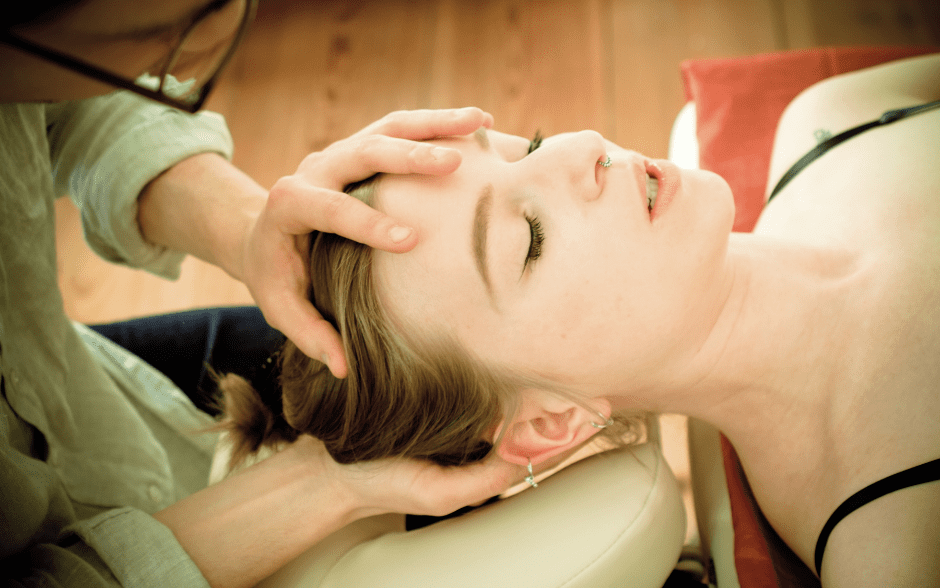
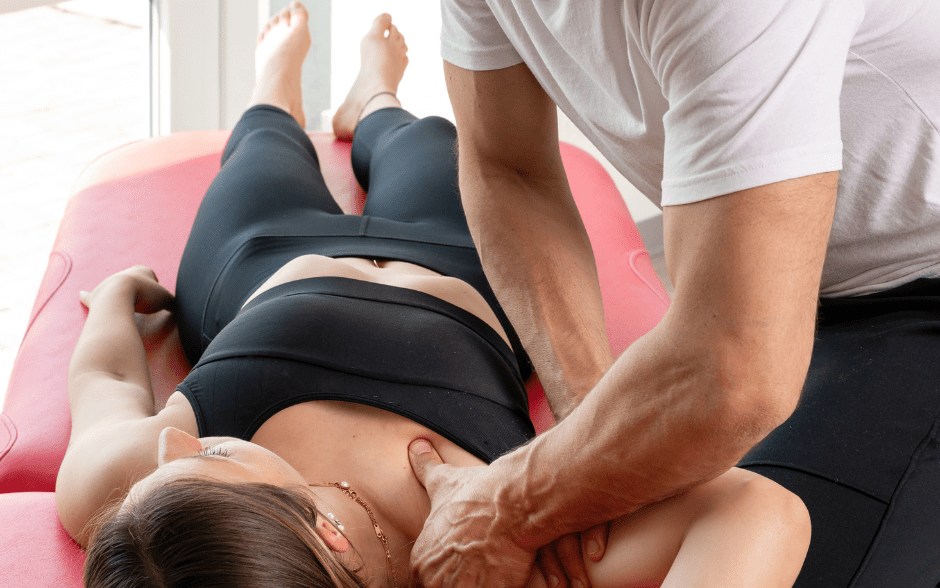
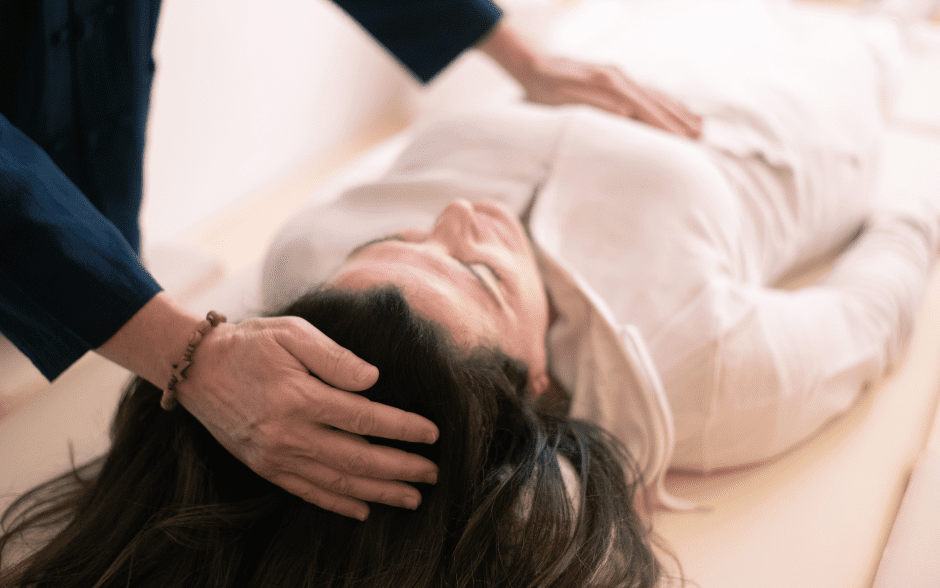
Fascial Counterstrain therapy
— an advanced, gentle, non-invasive manual therapy approach.
Already after the first session, she noticed reduced pain and improved mobility. Over time, this approach allowed her to walk longer distances and regain daily function.
“Fascial Counterstrain therapy should be an integral part of CRPS treatment. It is non-invasive and produces results not achievable with other techniques.”
Why Fascial Counterstrain Helps CRPS
- Calms the nervous system through gentle positioning
- Reduces pain without provoking flare-ups
- Improves circulation and tissue mobility
- Is safe even in advanced or long-standing CRPS
For scientific background on CRPS mechanisms, see:
Cleveland Clinic overview of Complex Regional Pain Syndrome
.
Take Action Today
If you or a loved one suffer from CRPS, consulting a specialist at PD Rehab in Mount Prospect may be a crucial step toward managing pain and regaining independence.
Schedule a consultation today
.
Conclusion
Although CRPS remains a challenging condition, advanced approaches such as Fascial Counterstrain therapy offer real hope. Dorothy’s story shows that even in complex cases, gentle, targeted manual therapy can significantly improve quality of life.