Perioperative Rehabilitation: Pre- and Post-Surgery Physical Therapy for Faster Recovery
Nobody looks forward to surgery, but when pain or limitations from illness or injury prevent daily activities, surgery may be necessary. While it can be daunting, physical therapy before and after surgery often helps patients safely return to the activity level they enjoyed before the injury.
The key to regaining strength and mobility is perioperative rehabilitation—physical therapy both before and after surgery. Proper rehabilitation not only speeds recovery but also reduces pain, inflammation, and post-surgical complications.
Why Physical Therapy Before and After Surgery Matters
Preoperative Rehabilitation: Preparing Your Body and Mind
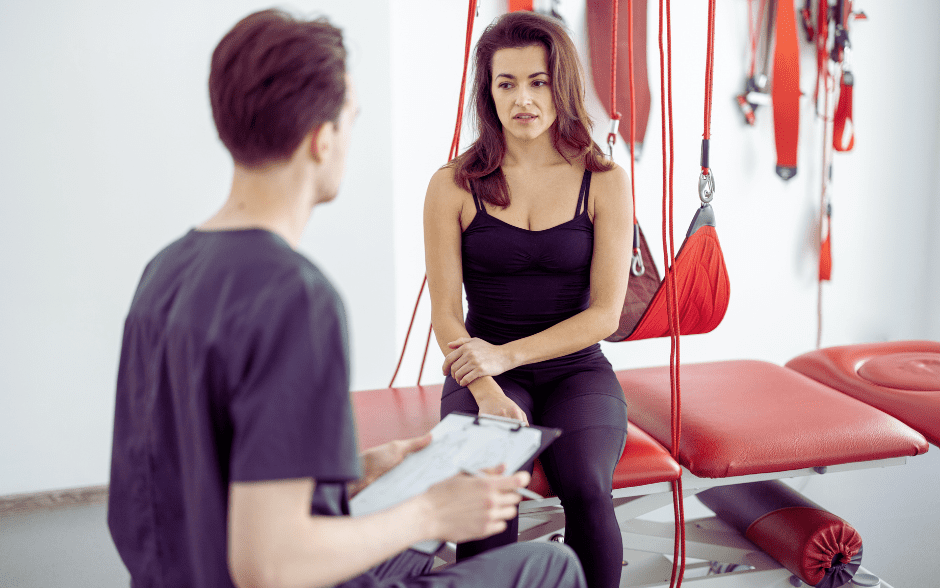
Many patients associate physical therapy with recovery after surgery, but preoperative rehabilitation is equally important and is a key part of a comprehensive rehabilitation plan around surgery.
Benefits of pre-op physical therapy include:
- Improving overall fitness and muscle strength
- Enhancing flexibility and range of motion
- Reducing pain and inflammation
- Teaching proper use of crutches, walkers, or wheelchairs
- Preparing mentally for surgery and recovery
By starting therapy before surgery, patients often experience shorter recovery times and better surgical outcomes—especially when they follow a structured plan of pre- and post-surgical physical therapy.
Postoperative Rehabilitation: Recovering Faster and Safely
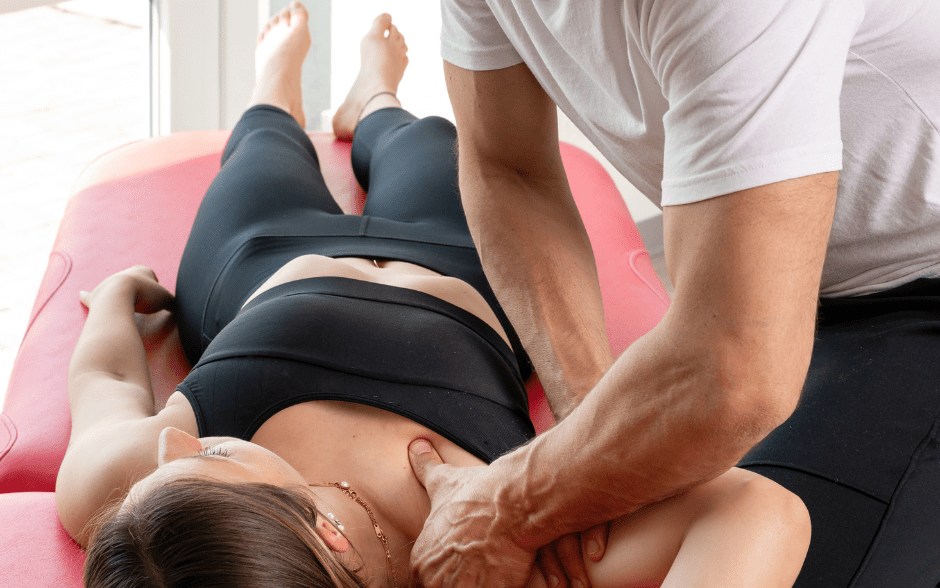
After surgery, physical therapy focuses on:
- Reducing pain, swelling, and muscle weakness
- Preventing atrophy and improving mobility
- Enhancing balance and blood circulation
- Accelerating tissue healing through proper oxygenation and exercise
Post-op rehabilitation is crucial after:
- Joint replacements (hip, knee, shoulder)
- Orthopedic surgeries (ACL reconstruction, rotator cuff repair, arthroscopy)
- Abdominal, thoracic, or pelvic floor surgeries
A rehabilitation program tailored to each patient’s needs is essential for avoiding complications and returning to full independence.
Patient Story: Success with Perioperative Therapy
Halina, a long-time patient at our clinic, is turning eighty next year. Despite undergoing several surgeries, she maintains excellent mobility and strength. Her secret? Consistent perioperative rehabilitation.
For every surgery, Halina begins therapy a month before her hospital stay and continues after discharge. She also attends supervised fitness classes to strengthen operated joints, demonstrating how physical therapy before and after surgery can sustain health and independence, even in advanced age.
Don’t Delay Your Rehabilitation
If your doctor recommends physical therapy before or after surgery, don’t postpone it. Delayed rehabilitation often leads to slower recovery, prolonged pain, and limited mobility.
One patient who waited three months after shoulder surgery found recovery much slower and less predictable than it would have been if therapy had started immediately. Timely perioperative rehabilitation ensures a safer, faster, and more effective return to daily life.
Conclusion
Perioperative rehabilitation is the cornerstone of surgical recovery. By preparing your body before surgery and following a structured post-op therapy plan, you can reduce complications, regain strength, and enjoy years of active, healthy living.
Ready to Start Your Perioperative Rehabilitation?
Don’t wait to regain strength and mobility. Our experienced physical therapists will guide you through physical therapy before and after surgery for faster, safer recovery.