Why SIBO Symptoms Persist Even After Treatment
The gut–nervous system connection explained
SIBO symptoms can persist after antibiotics or diet changes because bacteria are not always the only driver.
Diaphragm tension, limited abdominal tissue glide, pelvic floor coordination issues, and high nervous system sensitivity can keep pressure and movement in the abdomen from normalizing. When the body cannot handle normal pressure changes well, symptoms can continue even after appropriate medical care.
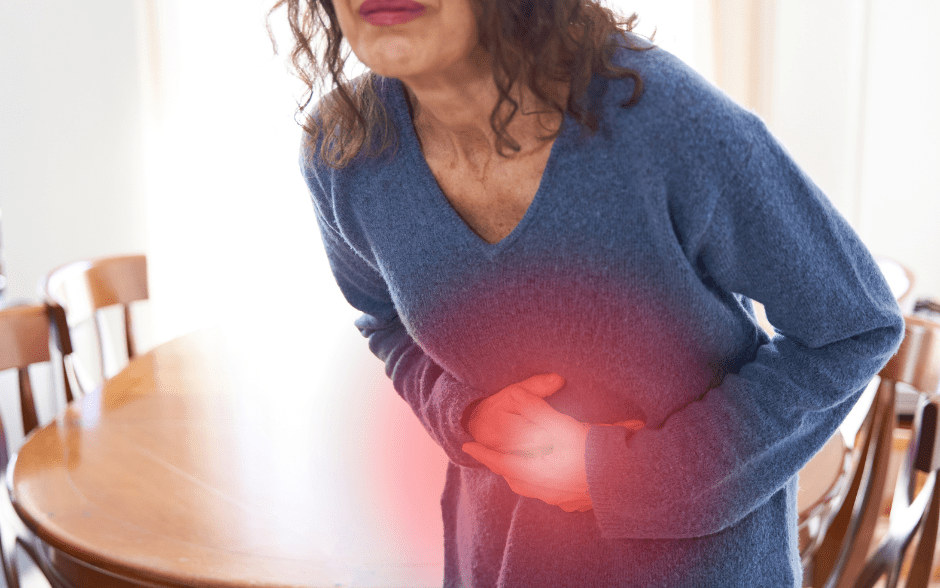
Bloating. Pressure. Cramping. Incomplete emptying. If these symptoms keep coming back, it’s easy to assume the issue is “just digestion.”
In many chronic cases, symptoms persist because the problem isn’t only in the gut. The body may also struggle with abdominal fascia mobility (how the connective tissue layers glide), diaphragm motion, pelvic floor coordination, and nervous system regulation. These systems all affect pressure, movement, and sensitivity inside the abdomen.
At PD Rehab Physical Therapy & Wellness Center in Mount Prospect, we work with patients from the Chicago area and Northwest suburbs who feel stuck with recurring bloating, constipation, reflux, or abdominal discomfort — especially when standard approaches haven’t provided lasting relief.
Important note
Physical therapy does not “treat SIBO bacteria.”
Instead, physical therapy can support the systems that often keep symptoms going — pressure control, tissue mobility, breathing mechanics, pelvic floor function, and an over-sensitive nervous system.
What is SIBO?
SIBO (Small Intestinal Bacterial Overgrowth) happens when bacteria build up in the small intestine. This can increase fermentation and gas and irritate the gut lining. Many people then experience bloating, pressure, and discomfort.
Why Symptoms Can Return After Antibiotics or Diet Changes
Medical providers diagnose and treat SIBO with diet changes and/or medication. Even when those steps help, symptoms can return if the body still struggles with movement, pressure tolerance, and nervous system regulation.
Many chronic cases continue because the abdomen stays in a protective state. That protective tension can limit normal expansion and recoil and make normal sensations feel stronger than they should.
Common SIBO Symptoms (and Why They Fluctuate)
Symptoms people often report
Many people with persistent SIBO-like symptoms experience more than “digestive upset.” The pattern often points to pressure control inside the abdomen, not food alone. That’s why bloating may build during the day, show up after small meals, or change with posture, stress, or activity.
Common symptoms include:
- abdominal bloating and visible distension that worsens as the day progresses,
- pressure or fullness after small meals,
- cramping or discomfort that changes with position, stress, or activity,
- constipation, diarrhea, or alternating bowel patterns,
- reflux-like pressure or a “stuck” feeling under the ribs (often with sitting or slouched posture),
- incomplete emptying, even with adequate fiber or hydration,
- food sensitivities that vary day to day,
- fatigue or “brain fog,” often worse with poor sleep or higher stress.
These symptoms often link to patterns such as:
- limited mobility of the abdominal wall and organ-related tissues (visceral fascia),
- restricted diaphragm movement, which disrupts pressure control between the chest, abdomen, and pelvis,
- pelvic floor over-tightness or poor coordination, which can interfere with emptying,
- shallow breathing that increases baseline abdominal pressure,
- high nervous system sensitivity that amplifies normal sensations into discomfort.
How Stress, Breathing, and Pressure Affect Digestion
The gut does not work in isolation. The nervous system strongly influences gut movement, sensitivity, and pressure control.
When the nervous system stays in a long-term protective state — often after stress, inflammation, illness, surgery, or prolonged symptoms — the abdomen may lose the ability to adapt to normal pressure and movement. People often notice more guarding, less tissue glide, and symptoms that build as the day goes on.
Why Core Strengthening Alone Can Make Symptoms Worse
Traditional orthopedic physical therapy often targets strength, posture, and joint mobility. That approach helps with many musculoskeletal issues.
Chronic abdominal symptoms often involve pressure intolerance and high sensitivity rather than weakness. For some people, aggressive stretching, heavy core work, or “bracing” increases pressure and triggers flares. A systems-based plan usually works better when it first improves tissue mobility, pressure control, and nervous system calm — and then builds strength gradually.
Physical Therapy for SIBO Symptoms – How Physical Therapy Can Help
Physical therapy for SIBO symptoms does not target bacteria directly. Instead, we focus on pressure control, diaphragm movement, tissue glide, pelvic floor coordination, and calming an over-sensitive nervous system. For many chronic cases, this helps the body tolerate meals, movement, and daily activity with fewer flares.
At PD Rehab, we base priorities on how your symptoms behave, not on a preset protocol. Depending on what we find during your evaluation, we may focus on one or more of the following areas:
Key focus areas
- Diaphragm motion and breathing to reduce pressure spikes and improve pressure control between the chest, abdomen, and pelvis.
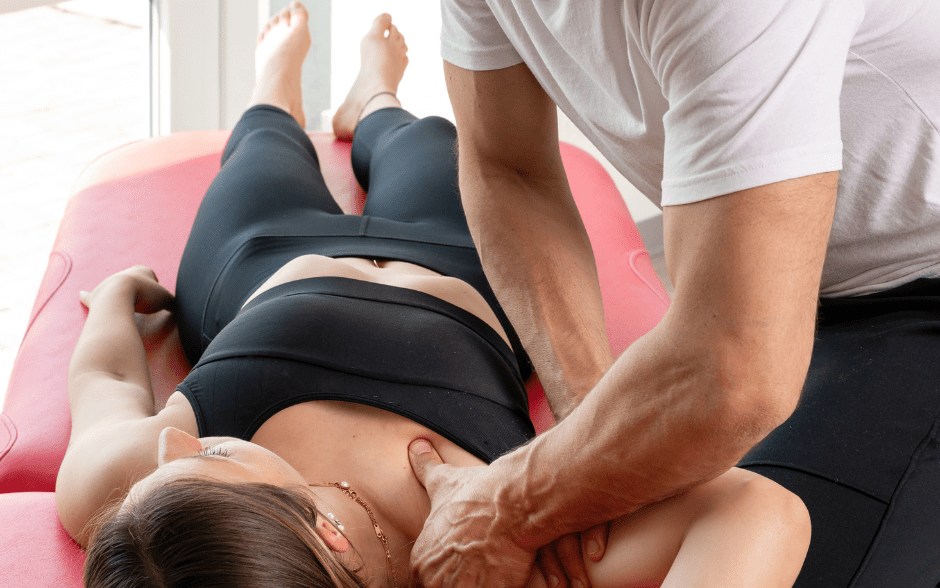
- Abdominal and organ-related tissue mobility (visceral fascia) using gentle, specific manual work (often including Fascial Counterstrain) to reduce guarding and improve glide.
- Pelvic floor coordination when constipation or incomplete emptying suggests difficulty relaxing or timing pressure effectively.
- Nervous system calming and tolerance to reduce over-reactivity and improve tolerance to normal movement and pressure.
In many chronic cases, the goal isn’t to “push harder.” We first reduce protective tension and improve tolerance. Then we build strength and movement capacity in a way the body can handle.
Our Approach: Improving Pressure Control, Not Just Strength
At PD Rehab, we treat many gut-related symptoms as functional and regulatory problems. We look for why the body cannot tolerate normal pressure, movement, or internal load. We do not default to generic “core programs.”
During your evaluation, we often assess:
- diaphragm function and rib motion (key for pressure control),
- abdominal wall mobility and organ-related fascia glide,
- pelvic floor coordination, especially with straining or incomplete emptying,
- scar tissue or adhesions (when present) and how they change tissue glide,
- stress patterns and nervous system sensitivity,
- how symptoms respond to posture, breathing, and pressure changes.
Based on what we find, we tailor your physical therapy for SIBO symptoms plan to reduce guarding and improve tolerance. We often use Fascial Counterstrain as a primary technique because it is gentle and specific.
Who May Benefit Most From This Approach?
This approach often works best when symptoms relate to pressure control, tissue mobility, and nervous system sensitivity rather than one isolated structural finding.
It may be a strong fit if:
- your symptoms have become a long-term pattern,
- tests look “normal,” but you still feel unwell,
- exercise triggers flares instead of building tolerance,
- bowel movements feel incomplete, even with effort,
- bloating builds as the day goes on or after meals,
- you’ve had abdominal surgery, and symptoms started or worsened afterward,
- stress clearly worsens symptoms,
- diet changes or antibiotics helped only partially.
What Happens During an Evaluation for SIBO Symptoms?
A comprehensive evaluation looks at how your symptoms behave, not only where you feel discomfort. We aim to identify which systems drive the pattern and why your body stays reactive.
Depending on your presentation, we may assess:
- symptom triggers and daily patterns,
- breathing and diaphragm movement for pressure control,
- abdominal wall and rib mobility (especially guarded or sensitive areas),
- pelvic floor screening when emptying issues show up,
- tissue glide and scar influence when relevant,
- functional tests that help reproduce or clarify your symptom pattern.
After the evaluation, we make a clinical plan based on how your nervous system and tissues respond. We do not hand out a one-size-fits-all exercise sheet.
When You Should See a Doctor First (Red Flags)
Physical therapy for SIBO symproms is not the right first step for every abdominal symptom. Seek medical care first if you notice any of the following red flags:
- unexplained weight loss or loss of appetite,
- blood in the stool or black, tarry stools,
- persistent fever or signs of systemic illness,
- ongoing vomiting or inability to tolerate food or fluids,
- severe pain that steadily worsens,
- symptoms that wake you from sleep (especially pain),
- new or rapidly changing bowel habits without a clear reason.
At PD Rehab, we take safety seriously. If your symptoms fall outside the scope of physical therapy, we will recommend a medical evaluation before starting care.
The Bottom Line
SIBO is a medical condition, but persistent symptoms often involve more than bacteria alone. Diaphragm movement, abdominal fascia mobility, pelvic floor coordination, and nervous system sensitivity can all affect pressure and comfort in the abdomen. Specialized physical therapy for SIBO symptoms can support these systems and help many people reduce bloating, improve emptying, and tolerate meals and movement more comfortably.
Schedule a consultation
If you’re in Mount Prospect, Arlington Heights, Des Plaines, Niles, Buffalo Grove, Palatine, Schaumburg, Park Ridge, or the surrounding Chicago area and feel stuck with recurring bloating, constipation, reflux, or abdominal discomfort, we can help you identify whether pressure control, tissue mobility, pelvic floor coordination, or nervous system sensitivity contributes to your symptoms.
FREQUENTLY ASKED QUESTIONS
Why does SIBO keep coming back after antibiotics?
SIBO can return when the underlying drivers remain. Reduced gut motility, limited diaphragm movement, poor pressure tolerance, and high nervous system sensitivity can allow symptoms to recur even after medication helps.
Can physical therapy treat SIBO?
Physical therapy does not treat bacterial overgrowth directly. PT can support recovery by improving breathing mechanics, abdominal tissue mobility, pelvic floor coordination, and calming excessive nervous system tension that can contribute to ongoing symptoms.
Can pelvic floor dysfunction cause bloating or constipation?
Yes. If the pelvic floor stays over-tight or does not coordinate well, emptying can feel incomplete. Straining can also increase pressure and worsen bloating sensations.
Why do I feel bloated even when tests are normal?
Bloating can relate to pressure control, tissue sensitivity, and restricted diaphragm or abdominal fascia mobility — not only food choices. High nervous system sensitivity can also amplify normal sensations.
Can breathing affect reflux or upper abdominal pressure?
Yes. If the diaphragm does not move well and breathing stays shallow, pressure can build under the ribs. Many people then notice reflux-like sensations and discomfort after meals.
What techniques do you use for abdominal symptoms?
At PD Rehab, we use gentle, specific manual therapy and advanced techniques such as Fascial Counterstrain. We also address breathing mechanics, diaphragm motion, and pelvic floor strategies when appropriate.
How many visits does it usually take?
The number of visits depends on symptom duration, medical history, and factors such as pelvic floor coordination or scar restrictions. Many people notice early changes, but lasting improvement often takes a structured plan over multiple visits.
Is PT helpful if I already tried diet changes or antibiotics?
Yes. Many people seek PT when medication or diet protocols help only partially, symptoms return, or bloating, constipation, and pressure persist despite doing “all the right things.”
When should I see a doctor instead of starting PT?
See a medical provider first if you have red flags such as unexplained weight loss, blood in stool, fever, persistent vomiting, severe worsening pain, or new major bowel changes.