Women’s Physical Therapy: Common Problems and Solutions
Women often juggle many responsibilities—from work and family life to social obligations—which makes it difficult to pause and check in on their health. A woman’s body goes through several major changes over a lifetime, including hormonal shifts and the unique stresses of pregnancy and raising children. Because of that, regular check-ups and early intervention matter. Problems rarely disappear on their own, and timely support helps women stay active and confident.
This article also complements our page on women’s physical therapy for pelvic floor and abdominal problems.
Today, we discuss typical issues and solutions in women’s physical therapy with physical therapist Eva Krecisz.
Eva, what is the most common problem women complain of?
Eva Krecisz: Headaches and migraines in women remain the most frequent complaints. Many women who come to our clinic struggle with
headaches and migraines
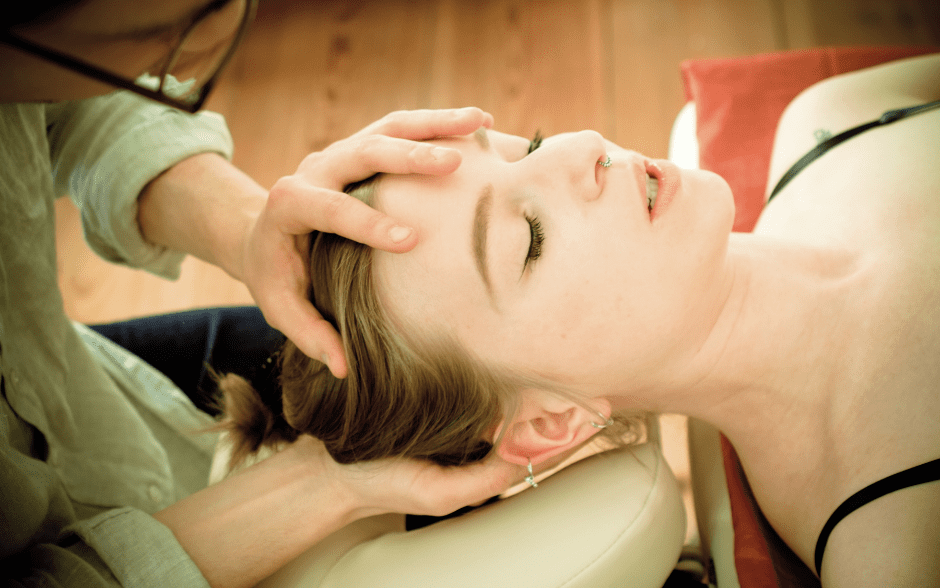
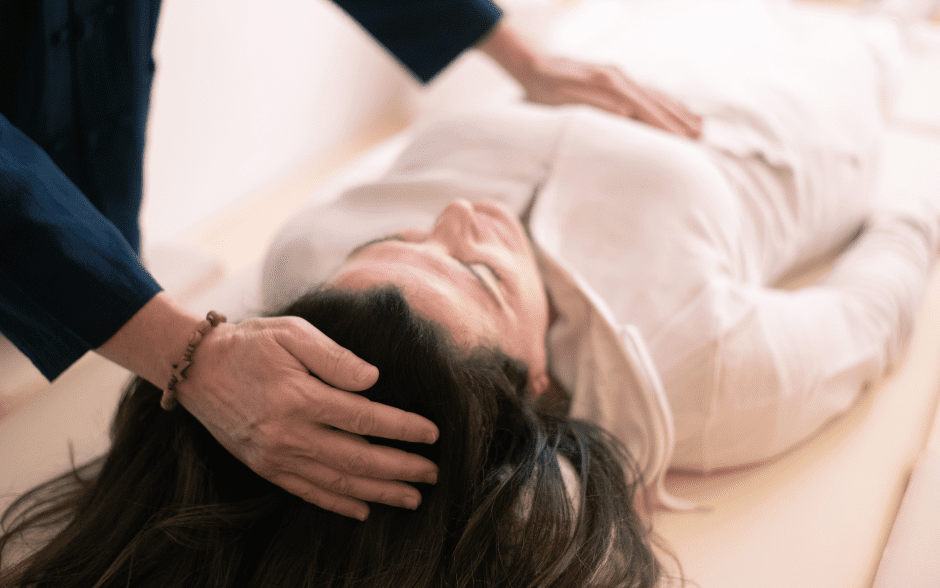
that stem from deeper issues. A common problem—especially among hairdressers, beauticians, secretaries, accountants, dentists, and laboratory assistants—is cervicogenic headache. It often develops because of degenerative changes in the cervical spine or dysfunction in neck muscles and joints.
For additional medical information on headaches, visit
Cleveland Clinic.
How do you treat headaches?
EK: Many people reach for medication as soon as a headache starts. In women’s physical therapy, however, we take a different approach. First, during the initial evaluation, we determine the exact cause and type of pain. Then we design a personalized treatment plan. The main goal is to reduce both the frequency and intensity of headaches.
With more than twenty years of experience, our clinic has helped most patients significantly. When we discover that the headache likely has a deeper medical cause, we refer the patient to a physician for further diagnostic testing.
What other problems do you see in women’s physical therapy?
EK: We frequently see women with dizziness and balance problems. Although most people associate these symptoms with older adults, younger women increasingly seek help as well. They often describe spinning sensations—either that the environment is moving or that their own body is moving.
Women with these symptoms may benefit from a detailed evaluation and treatment program similar to the one we describe on our page about
vertigo and balance problems
.
Should dizziness be worrisome?
EK: Not always. A sudden change in position can trigger brief dizziness. However, persistent dizziness requires a proper evaluation by a specialized physical therapist because it is often linked to inner ear dysfunction. The good news is that this type of dizziness is usually treatable.
That said, dizziness paired with severe headaches, limb weakness, speech problems, or loss of sensation requires immediate medical attention.
What about back and neck pain?
EK: Back and neck pain affects many women. Contributing factors include:
- Poor posture
- Lack of physical activity
- Being overweight
- Wearing high heels
- Stress
- Pregnancy and carrying children
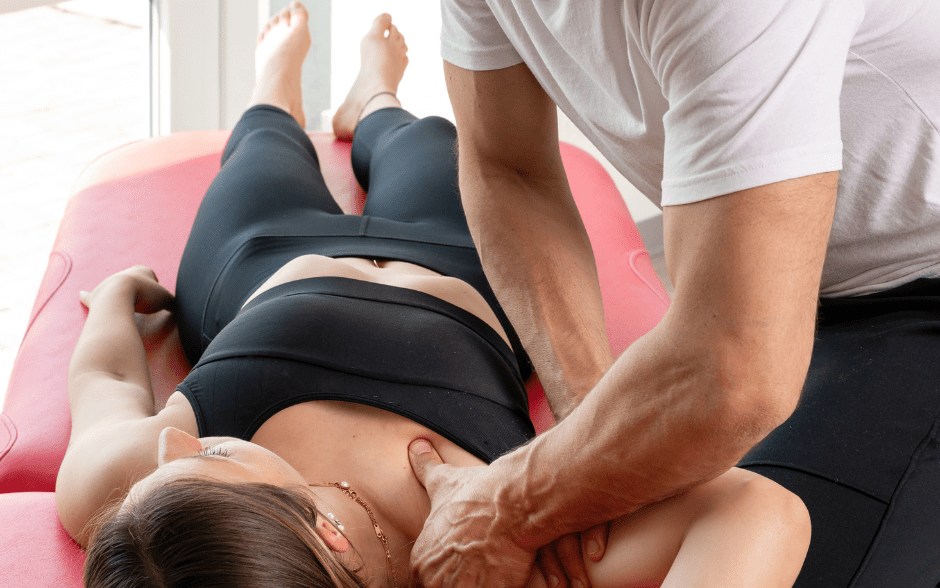
These issues often lead to chronic discomfort. When lifestyle changes are not enough, women’s physical therapy provides effective and safe solutions. We use individualized exercises and modern manual therapy techniques to reduce pain and restore normal function.
You can also explore more information about
back and neck disorders
treated at our clinic.
Other frequent conditions women experience
EK: Pain in the hips, knees, and shoulders appears very often and can significantly limit daily activities. These problems may develop after repeated overload, previous injuries, or natural degenerative changes. Women also have a higher risk of rheumatoid arthritis and osteoarthritis. Additionally, menopause increases the risk of osteoporosis in up to 40% of women over 50. Because of these risks, early intervention in women’s physical therapy becomes especially important.
Pregnancy and postpartum women’s physical therapy
EK: Many pregnancy-related and postpartum conditions improve greatly with targeted women’s physical therapy and postpartum rehabilitation. Ideally, therapy should be included in both prenatal and postnatal care. In several European countries—such as France and the Netherlands—postpartum treatment is fully covered by insurance because early care reduces long-term complications.
At PDR Physical Therapy, many of these problems are addressed within our
pelvic floor and postpartum physical therapy program
.
Common postpartum issues include:
- Pain and scarring after cesarean section
- Diastasis recti (abdominal separation)
- Back pain
- Urinary incontinence
Unfortunately, not all women receive referrals for therapy even though early rehabilitation prevents many long-term problems. Every postpartum woman should be evaluated by a physical therapist to protect her health and quality of life and to benefit fully from women’s physical therapy.
Urinary incontinence treatment
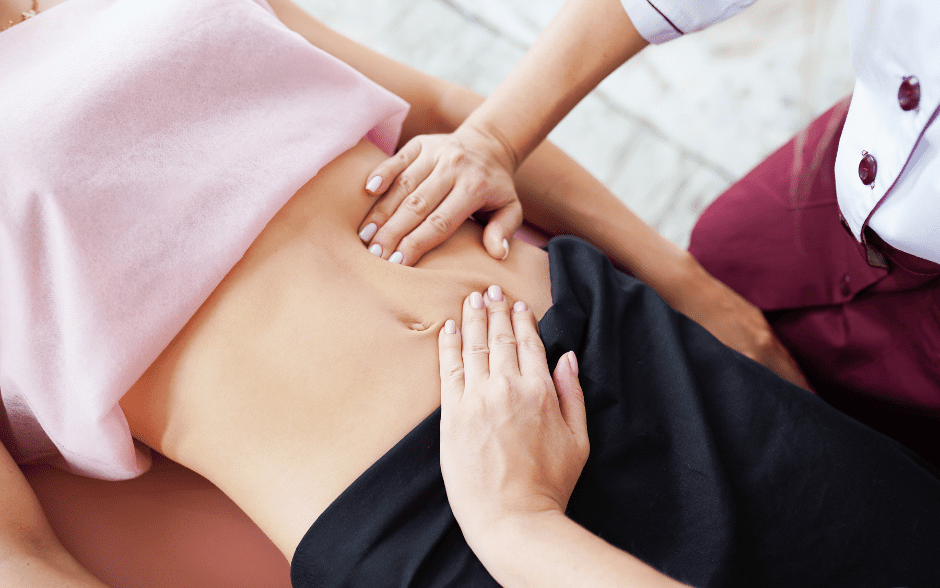
EK: Urinary incontinence affects women of all ages. At our clinic, we use gentle and highly effective manual therapy methods, including the Strain Counterstrain technique, which helps patients regain control and return to normal daily activities. In many cases, women’s physical therapy significantly reduces symptoms and may even prevent the need for surgery.
Advice for women
EK: Take your health seriously and listen to your body. If something feels wrong, do not delay treatment. Most conditions respond extremely well to professional women’s physical therapy, helping women stay active, confident, and healthy.
Take the Next Step in Your Health
If you are experiencing headaches, dizziness, back or neck pain, or postpartum complications,
schedule a consultation with our physical therapists today
and begin your journey to better health with women’s physical therapy.