The Importance of Quality Sleep for Your Health and Well-Being
In today’s fast-paced world, many people sacrifice sleep to meet work demands, social obligations, or family responsibilities. However, getting enough quality sleep is one of the most important foundations of good health. Proper rest affects every part of our body — from physical recovery to emotional balance and mental clarity.
Why Sleep Is Essential for Good Health
When we sleep, our bodies perform vital repair and restoration functions. Muscles and tissues regenerate, hormones are balanced, and the immune system strengthens. Without sufficient sleep, these processes are interrupted — and over time, it can affect how we feel and function.
Research shows that chronic sleep deprivation can increase the risk of several health conditions, including heart disease, diabetes, and obesity. It can also weaken immunity, making us more susceptible to infections and slower to recover from illness. (Cleveland Clinic – Sleep: What It Is, Why It’s Important)
The Connection Between Sleep and Mental Health
Sleep is just as critical for the mind as it is for the body. During deep sleep, our brains process information, form memories, and regulate mood. A consistent sleep routine can help improve focus, reduce stress, and support emotional resilience. Conversely, poor sleep is linked to anxiety, irritability, and even depression.
Simply put, sleep supports mental clarity, emotional stability, and overall well-being. When we’re rested, it’s easier to make decisions, handle daily stressors, and stay positive throughout the day. If you’re struggling with stress-related tension or fatigue, physical therapy can also help by restoring balance to your nervous system — learn more in our article Physical Therapy for Stress.
Healthy Habits: Tips for Better Rest
If you struggle to get quality sleep, adopting a few new habits can make a big difference. Try incorporating the following steps into your nightly routine:
- Establish a consistent schedule: Go to bed and wake up at the same time every day, even on weekends.
- Create a relaxing bedtime routine: Unwind before bed with a warm bath, calming music, meditation, or a good book.
- Make your bedroom sleep-friendly: Keep your sleeping space dark, quiet, and cool to promote deep rest.
- Limit screen time before bed: The blue light from phones and computers can interfere with your body’s sleep cycle — avoid screens at least an hour before bedtime.
- Prioritize self-care during the day: Regular physical activity, mindfulness, and stress reduction all contribute to better nighttime rest.
A Good Night’s Sleep Is an Investment in Your Health
By treating sleep as a priority rather than a luxury, you can significantly improve your health, mood, and performance. Remember, each night’s rest is a chance for your body and mind to heal, recharge, and prepare for the day ahead.
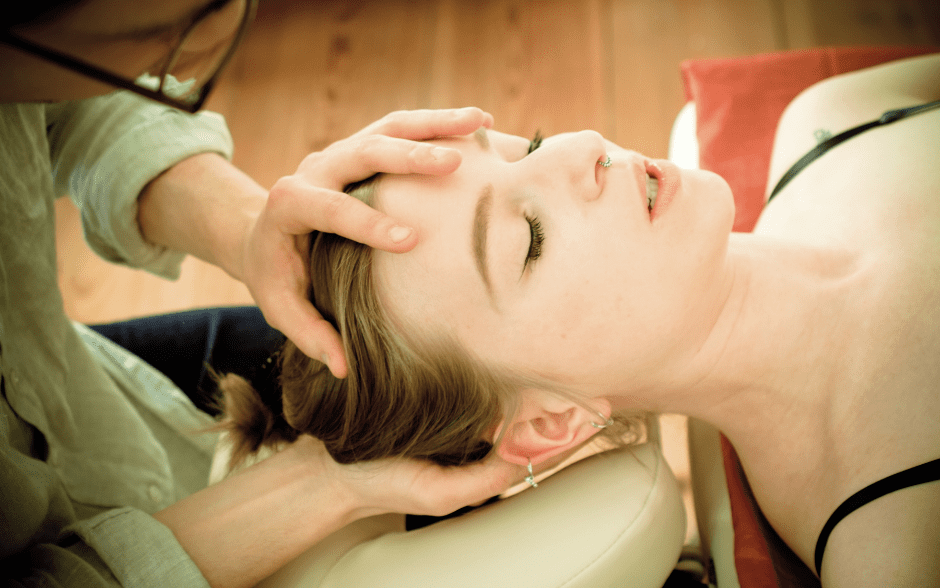
For patients struggling with chronic tension or poor rest caused by stress or pain, techniques like Fascial Counterstrain therapy may help calm the nervous system and improve circulation, supporting natural sleep cycles.
Take the first step tonight — turn off the screens, relax, and give yourself permission to rest. Your body will thank you with better energy, sharper focus, and a stronger immune system tomorrow.