Irritable Bowel Syndrome and the Fascial System: The Missing Link in Chronic Digestive Problems
Irritable Bowel Syndrome (IBS) is one of the most common digestive disorders, affecting millions of people worldwide. Its symptoms — bloating, abdominal pain, and irregular bowel movements — can interfere with daily life and emotional well-being. Most treatments focus on diet modification or medication. However, the fascial system often remains the missing piece of the puzzle.
At PDR Physical Therapy & Wellness Center, we look beyond the surface of digestive symptoms. Our Counterstrain practitioners investigate how fascial tension and restrictions around the intestines, diaphragm, and abdominal organs can affect gut function and contribute to IBS. As a result, treatment often provides relief where traditional approaches fall short.
The Fascial System and Gut Mobility
Fascia is a thin, continuous layer of connective tissue that surrounds and supports every blood vessel, muscle, organ, and nerve in the body. When it becomes restricted — due to stress, inflammation, post-surgical scars, or poor posture — it can change blood flow and nerve signaling. Consequently, these restrictions may also disturb intestinal movement and coordination.
In the digestive system, this means the natural rhythm of peristalsis — the wave-like motion that moves food through the intestines — may slow down or become irregular. As a result, bloating, cramping, and inconsistent bowel patterns often appear, which no diet alone can fix.
How Fascial Counterstrain Helps
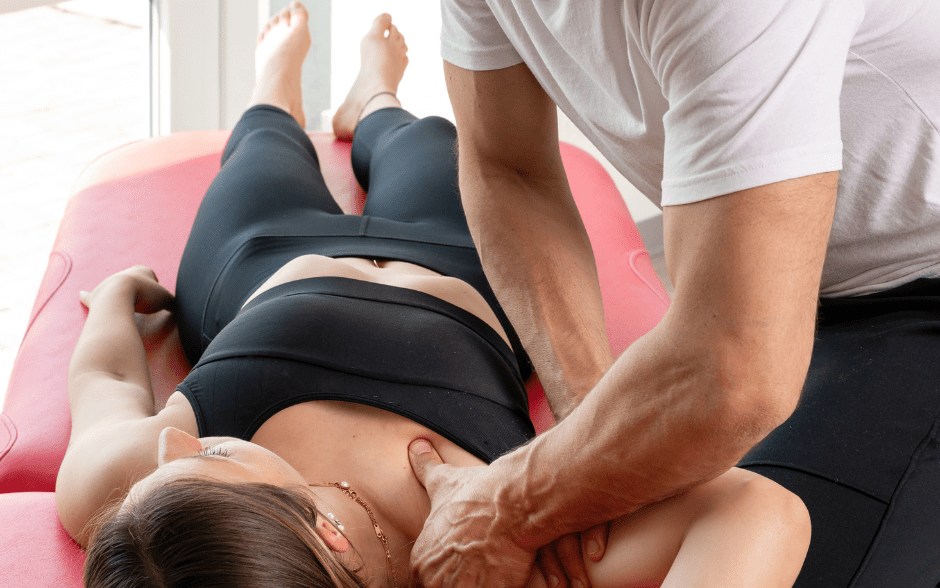
Through Fascial Counterstrain therapy, our therapists use gentle manual pressure or positioning to find and release tension in the fascial layers of the abdomen and pelvis. This technique helps reduce strain around the intestines and nearby nerves, and therefore allows the body’s natural rhythm of digestion to return.
This method works with your nervous system — not against it. Moreover, by calming overactive reflexes and improving communication between the brain and gut, Fascial Counterstrain helps reduce pain, normalize bowel movements, and improve comfort.
Beyond the Gut: Treating the Whole System
Irritable Bowel Syndrome doesn’t only affect digestion. It can also influence the autonomic nervous system, emotional balance, and overall energy levels. At PDR, treatment may include gentle visceral work, breathing therapy, and other physical therapy methods that support full-body recovery. In addition, these approaches often enhance sleep, mood, and focus.
Ultimately, our goal is not just to calm symptoms but to help your body work in harmony again.
Living Comfortably with Irritable Bowel Syndrome
Each person’s IBS is unique. Therefore, our individualized plan considers diet, stress, posture, and lifestyle — along with fascial therapy — to support long-term results. With the right approach, many patients notice less bloating, less abdominal tension, and more predictable digestion after just a few sessions. Finally, ongoing care helps maintain these improvements and supports better digestive health for the future.
Together, we can help your digestive system move freely again.