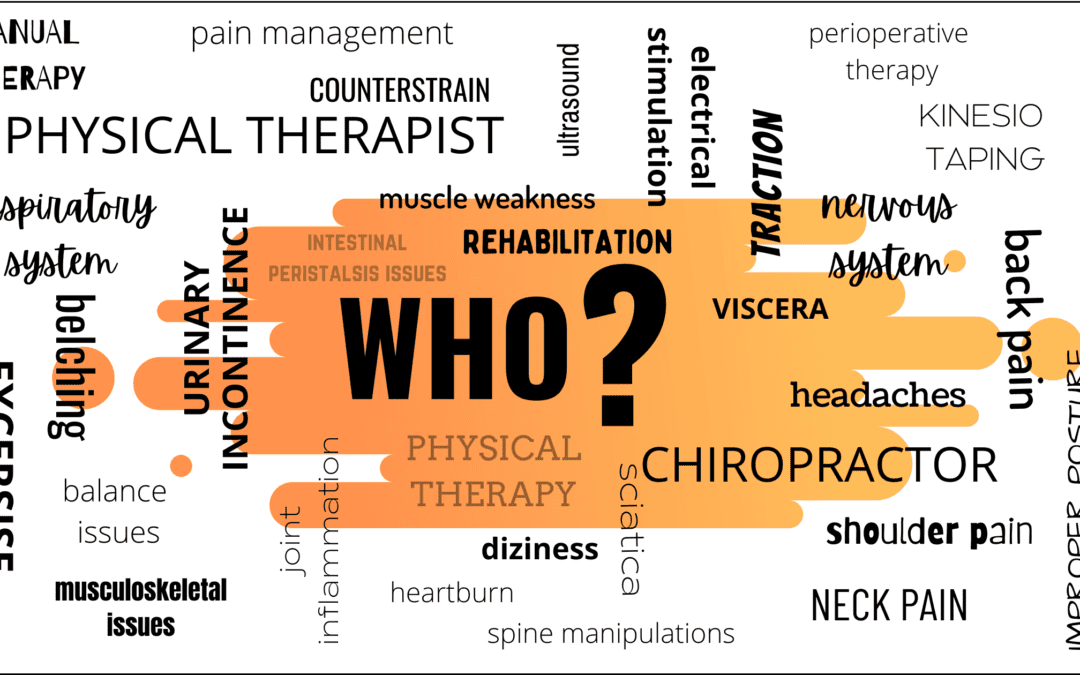
Physical Therapy vs Chiropractic Care: Why PT Offers More Options for Whole-Body Healing
Many patients suffering from back pain or joint inflammation are unsure whether to seek physical therapy or chiropractic care. Both focus on natural, non-invasive healing, but physical therapy vs chiropractic care differs in scope. Modern PT provides a broader, whole-body approach that reaches beyond muscles and joints to address deeper system dysfunctions.
Both physical therapists and chiropractors treat pain and inflammation without medication or surgery. However, while chiropractic care focuses mainly on spinal alignment and joint movement, physical therapy combines advanced techniques, exercise, and technology to promote overall system balance and recovery.
The Expanding Role of Physical Therapy
Physical therapy is often associated with post-surgical or post-injury rehabilitation—restoring motion and rebuilding muscles weakened by immobilization or disease. That remains essential, but modern PT now goes much further. With techniques like Fascial Counterstrain (FC), therapists can evaluate and treat the body as an integrated system.
These advanced manual therapies address chronic headaches, migraines, vertigo, and balance issues. A skilled therapist can also treat the nervous, circulatory, and respiratory systems. By using FC, physical therapists can influence the fascia connected to internal organs such as the stomach, liver, and intestines. If you experience heartburn, bloating, or sluggish digestion, physical therapy vs chiropractic care makes a difference—PT can treat these visceral dysfunctions directly.
Treating More Than Muscles and Joints
Modern PT also helps with urinary incontinence and other issues often treated only with medication or surgery. The goal is to restore internal balance through gentle manual release, improved circulation, and better organ mobility. This whole-body focus sets PT apart from chiropractic adjustments, which remain limited to the musculoskeletal system.
Customized exercise programs form another cornerstone of PT care. These improve coordination, increase range of motion, and strengthen weak muscles. Therapists may also apply non-surgical spinal decompression, electrical stimulation, Kinesio taping, ultrasound, or cold laser. Together, they reduce inflammation, improve tissue healing, and support long-term recovery.
Chiropractic Care: A More Focused Approach
Chiropractic care centers on spinal and joint adjustments that improve mechanical alignment. These manipulations can relieve pain from poor posture, overuse, or injury. Chiropractors work on the principle that spinal health influences the nervous system and general wellness.
Chiropractic adjustments can help with back and neck pain, sciatica, posture problems, and tension headaches. For mechanical issues limited to the spine, it can be effective. However, unlike physical therapy vs chiropractic care comparisons show that PT can treat multiple systems—not just the musculoskeletal one.
Comparing the Two: Key Differences
Both fields promote natural healing, but physical therapy’s range is broader. PT integrates movement science, manual therapy, and exercise to improve how the entire body functions. Chiropractic care focuses mainly on correcting joint mechanics through spinal manipulation. Understanding these distinctions helps patients make informed choices between physical therapy vs chiropractic care.
- Scope: PT addresses muscles, joints, nerves, circulation, lymphatics, and organs. Chiropractic focuses on the spine and joints.
- Methods: PT combines manual therapy, exercise, and supportive modalities; chiropractic relies mainly on adjustments.
- Continuity: PT emphasizes education and home programs, while chiropractic care is primarily in-office.
- Evidence: Both fields have research support—see NCCIH’s overview for details.
Real Results: The Power of Whole-Body Care
A woman in her sixties came to our clinic after 17 years of chiropractic adjustments for chronic headaches and neck pain. While she felt temporary relief, the symptoms kept returning, and dizziness appeared. She wasn’t aware that PT could treat these issues from a different perspective.
After just two visits, her dizziness eased. Six additional sessions using gentle manual therapy and targeted exercises eliminated the pain completely. This success story highlights how the broader, system-based PT approach can create lasting results where traditional care had plateaued.
Choosing the Right Path for Recovery
- Choose physical therapy if you want a whole-body assessment that can treat organs and systems as well as joints.
- Consider chiropractic care for mechanical spine issues or localized joint pain.
- If you’re unsure, start with a PT evaluation to identify underlying causes safely and build a personalized plan.
If you have pain, stiffness, or weakness, consider natural, non-invasive options before medication or surgery. Modern physical therapy vs chiropractic care demonstrates that PT not only restores movement—it improves function across systems, promoting true, long-term healing.
Discover how modern physical therapy restores balance throughout your entire body. Learn about Fascial Counterstrain or explore Non-Surgical Spinal Decompression. To schedule your evaluation, call us or book online today.