Plantar Fasciitis and Heel Pain: Interview with Physical Therapist Kris Krasowski
We usually pay little to no attention to our feet, even though they are an extremely complex and important part of the body.
A relatively small surface must support the weight of the whole body and work as a shock absorber to reduce the impact we feel when walking or running.
As a result, it is not surprising that many people develop foot pain and heel pain, especially from plantar fasciitis.
To learn more about plantar fasciitis and other common causes of heel pain, we spoke with one of our therapists,
physical therapist Kris Krasowski, about the foot conditions he sees most often in the clinic.
What foot problems do you encounter most often in your practice?
Kris: In my practice, I frequently see injuries, overuse problems, arthritis, and conditions that cause inflammation in the bones, ligaments, or tendons of the foot. However, the most common cause of heel pain is plantar fasciitis. According to the Cleveland Clinic, about two million patients receive treatment for plantar fasciitis every year. This condition typically causes a sharp, stabbing pain in the bottom of the foot near the heel. The pain is usually the worst during the first few steps after waking up, although it can also be triggered by long periods of standing or when someone gets up after sitting for a while.
What are the main causes of plantar fasciitis?
Kris: The plantar fascia is a tough, fibrous band of tissue that runs along the sole of the foot and connects the heel bone (calcaneus) to the base of the toes. It works as a natural shock absorber and supports the arch of the foot. In addition, it plays an important role in normal foot mechanics during walking.
With overuse or simply over time, the plantar fascia can lose some of its elasticity and resilience. Then, even routine daily activities may irritate the tissue. Too much pressure on the foot can damage or tear the ligament. As a result, the plantar fascia becomes inflamed. This inflammation leads to heel pain and stiffness, which we call plantar fasciitis.
What is the difference between plantar fasciitis and a heel spur?
Kris: Plantar fasciitis and heel spurs are two separate conditions, but they are often related. Plantar fasciitis develops because of stress and damage to the plantar fascia ligament. About 50 percent of people who have plantar fasciitis also develop a bone spur on the heel.
Heel spurs usually form as a secondary result of plantar fasciitis. When the plantar fascia ligament is damaged, the body sometimes creates small, sharp calcium deposits (heel spurs) in an attempt to support the injured tissue. Interestingly, heel spurs themselves are not usually the main source of heel pain. Instead, the pain typically comes from the underlying foot condition that caused the spur in the first place, most commonly plantar fasciitis.
What are the risk factors for plantar fasciitis?
Kris: Plantar fasciitis can sometimes develop without a clear cause. Even so, several factors can increase the risk of this type of heel pain. The condition is more common in women between the ages of 40 and 60. Factory workers, teachers, and other people who spend most of their workday walking or standing on hard surfaces are also at higher risk.
In addition, excess body weight and poor footwear choices significantly contribute to the development of plantar fasciitis. High-heeled shoes or worn-out shoes with thin soles increase the strain on the plantar fascia. Foot mechanics play a major role as well. Flat feet, a very high arch, or even an atypical walking pattern can change the way body weight is distributed when we stand or walk. Over time, this extra stress can irritate the plantar fascia and lead to chronic heel pain.
How is plantar fasciitis treated?
Kris: First, we need to identify what is actually causing the plantar fasciitis. The root cause determines the most effective treatment plan. Some patients may eventually require surgical intervention or an anti-inflammatory injection. However, in many cases, good physical therapy and rehabilitation are enough to significantly reduce heel pain and improve function.
At our clinic, we primarily use highly specialized manual therapy techniques combined with gentle stretching exercises and treatment modalities such as cold laser therapy or therapeutic ultrasound. Together, these approaches usually provide very good results for plantar fasciitis and other types of heel pain.
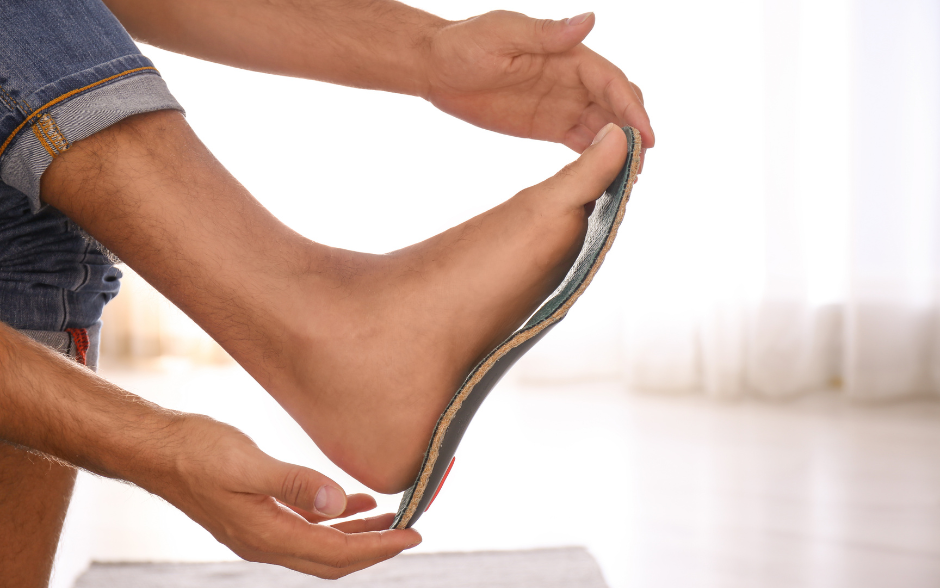
We also ask our patients to pay close attention to the shoes they wear. They should select footwear that supports the feet correctly and does not overload the plantar fascia. In many cases, we recommend shoe inserts to relieve tension in the plantar fascia and correct foot positioning. Custom-made orthotic insoles, which are available at our clinic, can significantly improve the effectiveness of plantar fasciitis treatment.
What should we do when we start to feel heel pain?
Kris: When you notice the first signs of heel pain, you should seek the help of a physical therapist as soon as possible. Early treatment makes a big difference. In fact, quick response is often responsible for half of the success in treating plantar fasciitis.
If you are not sure whether physical therapy will help your heel pain, you can always schedule a free consultation at PDR Physical Therapy & Wellness Center. During this visit, the therapist will evaluate your symptoms, check how your feet and ankles move, and explain whether plantar fasciitis is likely the source of your pain.
Do you struggle with plantar fasciitis or persistent heel pain?
Contact PDR Physical Therapy & Wellness Center to schedule a free consultation and learn how personalized physical therapy, manual treatment, and custom orthotics can help you get back on your feet.
Click here to contact us and request an appointment.