Why Your Feet Hurt: How Spine, Pelvis, and Whole-Body Factors Drive Foot & Ankle Pain
Whole-body, non-surgical foot and ankle pain physical therapy in Mount Prospect, IL — manual therapy, corrective exercise, and custom strategies for lasting relief.
The human foot is an engineering masterpiece — built to carry, balance, and move the entire body. It contains 26 bones, 33 joints, 107 ligaments and tendons, and a vast network of blood vessels and nerves that span nearly a mile in total length. When you consider how much work this small structure performs every day, it’s no surprise that foot and ankle pain are among the most common complaints we see at our clinic.
However, foot pain rarely exists in isolation. At PD Rehab in Mount Prospect, we understand that your feet are part of a much larger system. Their function is directly influenced by the alignment of your spine and pelvis, the condition of your muscles and joints, your circulation, hormones, and even your metabolism. Our foot and ankle pain physical therapy program addresses all these factors together, helping patients achieve lasting relief and improved movement from the ground up.
Understanding Foot Pain: It’s About More Than the Foot
Foot and ankle discomfort can originate from multiple areas of the body. Below are the most common underlying factors we assess during an evaluation.
The Thoracic–Lumbosacral Spine
The spine is not just a column of bones — it’s a communication highway for motor, sensory, and autonomic nerves that control movement, blood flow, and sensation in the legs and feet. Problems in the lower spine can disrupt this nerve function, leading to pain, weakness, or numbness in the feet.
Pelvic Alignment and Leg-Length Differences
A misaligned or tilted pelvis often creates uneven leg lengths. This leads to weight imbalance and excessive pressure on one foot. Over time, this asymmetry can cause issues such as plantar fasciitis, tendonitis, neuromas, heel spurs, or chronic ankle instability.
Metabolic and Hormonal Factors
Circulatory issues, diabetes, thyroid disorders, and chronic inflammation can all affect nerve health and tissue recovery. Conditions like diabetic neuropathy or swelling (edema) often begin with subtle changes in how the feet feel — tingling, burning, or coldness.
Body Weight and Shock Absorption
Even a small increase in body weight can add significant stress to the feet. Each step multiplies the body’s load several times over. When the feet are unable to absorb shock effectively, inflammation, fatigue, and joint degeneration follow.
Structural and Musculoskeletal Deformities
Bunions, flat feet, high arches, and misalignments of the knees or hips alter how the feet bear weight. These structural problems frequently lead to chronic pain or recurring injuries unless properly addressed.
How to Prevent Foot and Ankle Pain
While professional evaluation and foot and ankle pain physical therapy are essential, there are steps you can take at home to support foot health.
Maintain a Healthy Body Weight
Less stress means less strain on your joints and arches.
Choose Proper Footwear
Look for shoes with arch support, cushioning, and a fit tailored to your activity level.
Assess Your Posture
Take a photo from behind while standing barefoot — ideally with your knees, hips, and lower spine visible. This simple test can reveal curvatures or asymmetries you may not notice.
Walk Regularly
Begin with short distances and increase your pace and duration gradually. Movement stimulates circulation and joint mobility.
If symptoms persist, it’s best to seek a professional assessment. At PDR Physical Therapy & Wellness Center, we offer a free screening with our physical therapists to identify the root cause of your discomfort and create a personalized recovery plan.
How We Treat Foot and Ankle Pain
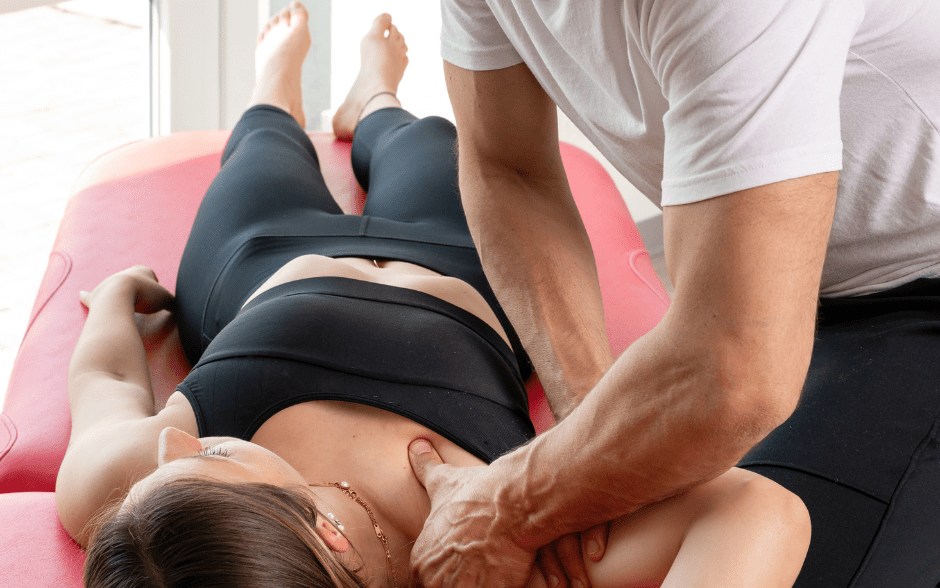
Every patient’s body tells a unique story. That’s why our approach combines advanced manual therapy, corrective exercises, and state-of-the-art modalities tailored to your needs.
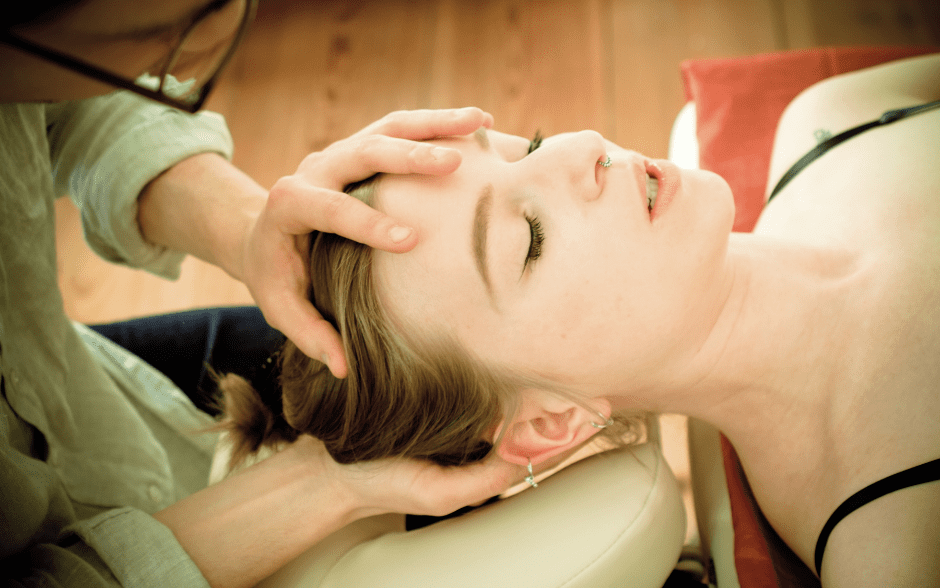
Fascial Counterstrain™ Therapy for Foot Pain
A gentle, non-invasive technique that reduces muscle spasms and restores normal movement by releasing tension in the fascia — the connective tissue that links muscles, nerves, and blood vessels from your lower spine all the way to your toes.
Graston® Technique
An instrument-assisted soft tissue mobilization method effective for treating chronic heel pain, Achilles tendinitis, plantar fasciitis, and scar tissue.
Therapeutic Modalities
Including cold laser therapy for inflammation and neuropathy, ultrasound to stimulate tissue repair, electrical stimulation for pain control, and Kinesio Taping to improve stability.
Targeted Exercise Programs
Strengthening and mobility routines designed for the feet, ankles, and supporting joints.
Custom Orthotics for Foot Alignment
Our insoles are made to fit not only your feet but your entire body alignment, helping restore balance and comfort. Learn more about our custom orthotics for foot alignment.
Meet Our Specialist: Kris Krasowski, PT
Kris Krasowski, PT, has over 30 years of experience in outpatient physical therapy. Since joining PDR Physical Therapy & Wellness Center in 2019, he has become a trusted expert in manual therapy, certified in Fascial Counterstrain, Functional Mobilization, and McKenzie Therapy. His deep understanding of biomechanics allows him to connect foot pain with spinal and postural dysfunctions — achieving long-term relief for patients who have not responded to conventional therapy. Meet Kris and our full team.
Patient Testimonial
“After years of foot pain that no one could resolve, Kris at PDR discovered that my issue wasn’t in the foot at all — it was due to pelvic misalignment. Within weeks of starting Fascial Counterstrain therapy, I could walk pain-free again. The difference was life-changing.” – Anna, Arlington Heights, IL
Ready to move comfortably again? Request your free foot & ankle screening or call (847) 459-4779. Read more about physical therapy for complex foot and ankle problems.
Learn More
For additional resources and expert information, explore:
American Physical Therapy Association — resources for patients and professionals.
Cleveland Clinic — Plantar Fasciitis overview and treatment guidance.
Frequently Asked Questions
Why does my foot pain persist even after changing shoes?
Shoes can help, but persistent pain often stems from upstream issues such as pelvic or spinal alignment, nerve irritation, or fascial tension. Treating the root cause prevents recurrence.
Can pelvic misalignment really cause foot pain?
Yes. A tilted or rotated pelvis can create functional leg-length differences and uneven loading through the foot, leading to irritation of tissues like the plantar fascia or Achilles tendon.
When do I need custom orthotics?
If structural factors (flat feet, high arches, recurrent overuse) or persistent symptoms remain despite footwear changes and exercise, custom orthotics can restore alignment and load-sharing as part of a comprehensive plan. Learn more.