Natural ways to manage Parkinson’s symptoms
Currently, Parkinson’s disease is incurable. No drug can stop its progression or make the symptoms disappear. Traditional medicine can help, but complementary therapies also offer effective options. These methods are especially helpful in the early stages, allowing patients to manage symptoms and maintain independence without relying solely on medication. In the later stages, they can ease tremors and improve balance and movement.
Exercise and Parkinson’s Disease
Exercise plays a crucial role in improving mobility and overall well-being. Studies show that movement can help delay symptom progression and improve quality of life for people with Parkinson’s.
Yoga, Dance, and Tai Chi
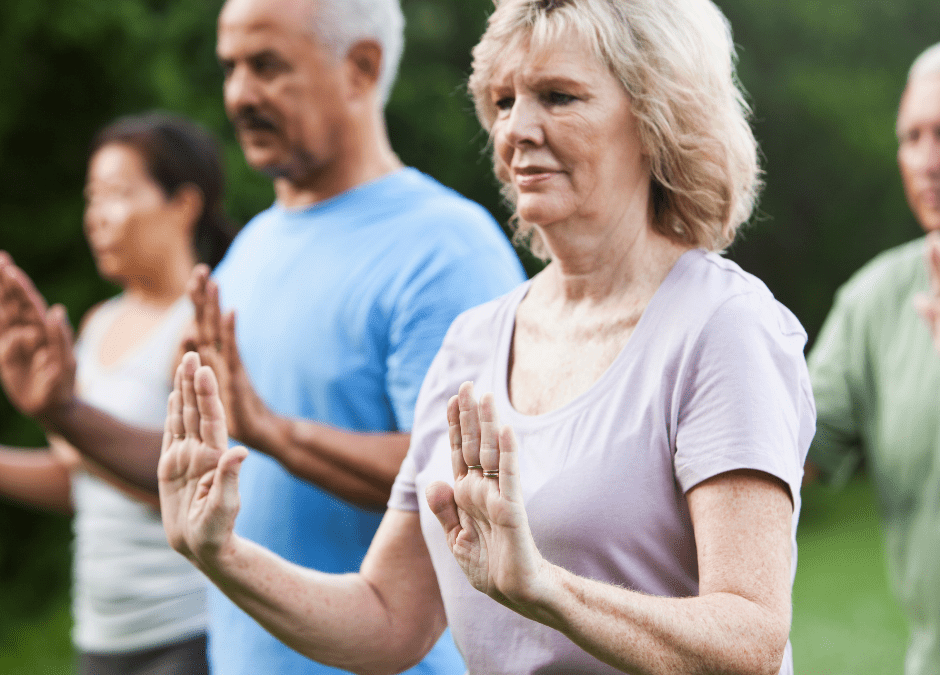
Doctors highlight the benefits of yoga, dance, and tai chi. These practices combine mental focus with physical activity, improving flexibility and mental health. Many patients experience better mood, reduced stress, and greater confidence in daily movement.
Mindfulness and Mental Health
More than half of people with Parkinson’s struggle with depression or anxiety. Practicing mindfulness can help calm the mind, improve concentration, and manage emotional stress. It allows patients to focus on the present moment and reduce fear about the future.
Activities such as karate, Nordic walking, and swimming also improve motor control, flexibility, and coordination. These exercises help patients stay active, continue working, and enjoy hobbies they love. Learn more about how physical therapy supports movement disorders at our clinic.
LSVT BIG Physical Therapy
How It Works
LSVT BIG is a physical therapy method developed specifically for Parkinson’s disease. It focuses on improving gait, balance, and full-body movement. Treatment is personalized, helping each patient reach their mobility goals regardless of disease stage.
When to Start Therapy
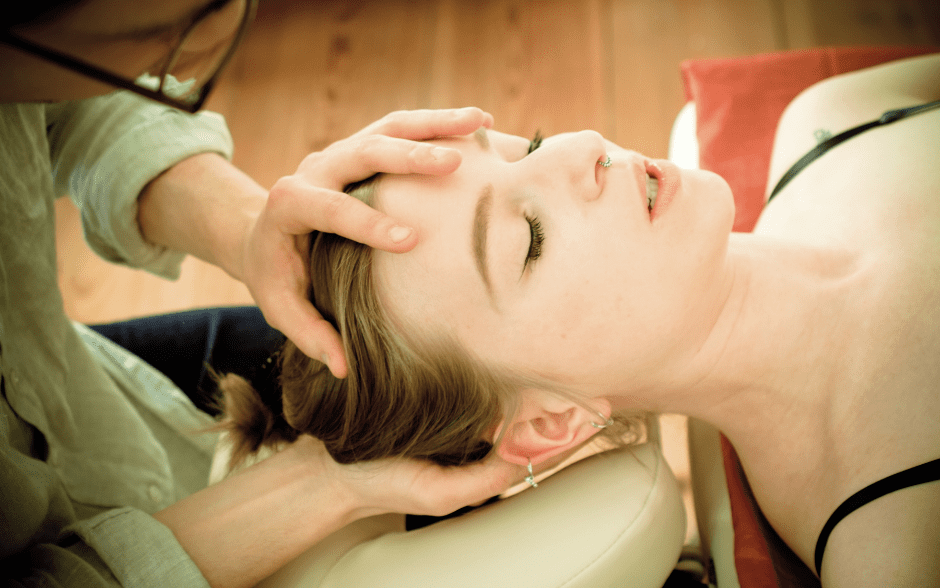
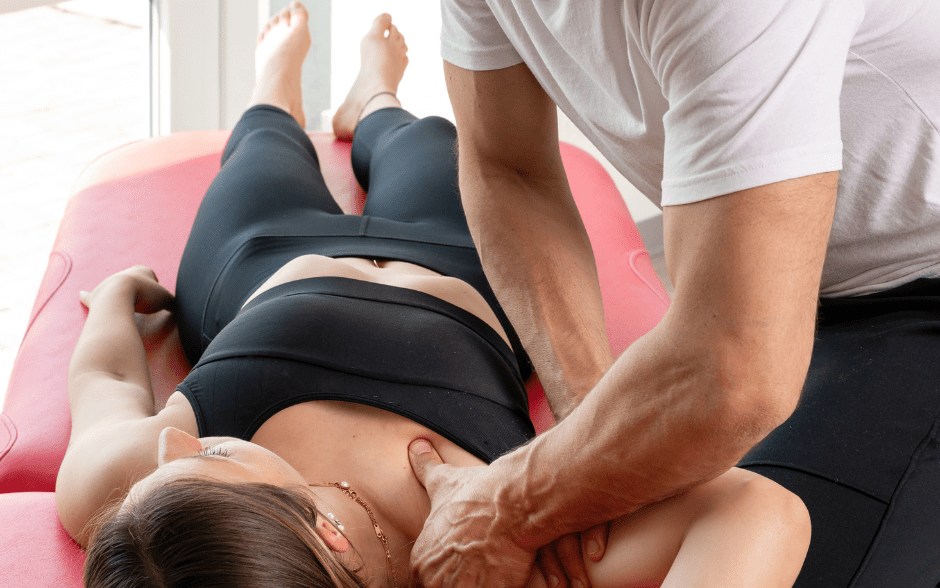
Starting therapy early often leads to the best results. However, even patients with advanced symptoms can experience major improvement in flexibility and movement. At PDR Physical Therapy & Wellness Center, we combine Fascial Counterstrain with LSVT BIG to reduce stiffness and restore motion.
Tai Chi
In 2012, the New England Journal of Medicine published a study showing the benefits of tai chi for Parkinson’s patients. After six months of practice, participants improved their balance and flexibility and fell less often than other study groups. These benefits lasted even three months after the program ended.
Yoga
Research from the American Parkinson Disease Association (APDA) confirms that yoga supports posture, flexibility, and balance. It also reduces tremors, tension, and sleep problems. By activating the parasympathetic nervous system, yoga helps patients relax and manage stress. Our patients also benefit from manual therapy techniques that promote nervous system balance.
Mindfulness Training
Up to 50% of people with Parkinson’s experience depression, while about 30% struggle with anxiety or sleep disorders. Mindfulness training helps calm the body and mind. It relieves pain, eases muscle tension, improves focus, and lifts mood. Patients learn to live in the present moment and manage their emotions more effectively.
Regular mindfulness practice builds self-acceptance and emotional resilience. It also helps people understand the connection between their thoughts and symptoms. Read more about this connection in our article on chronic pain and the mind-body relationship.
Alexander Technique
The Alexander Technique teaches gentle posture and movement correction. It reduces stiffness and improves coordination. In clinical studies, it proved more effective than massage in improving body control and mental well-being for people with Parkinson’s disease.
The Importance of Diet
Diet strongly influences how the nervous system functions. Studies suggest that the Mediterranean diet—rich in vegetables, fruit, and olive oil—can lower the risk of Parkinson’s and other neurodegenerative diseases. A healthy diet supports both brain and body performance.
Researchers found that high levels of arachidonic acid, found in meat, liver, and eggs, can increase the risk of Parkinson’s. An excess of dairy products such as milk, butter, and cheese may also raise risk, especially in men.
No matter where a person lives, a comprehensive, holistic approach is key. Combining medical treatment with rehabilitation, mindfulness, and nutrition helps patients manage both physical and emotional challenges more effectively.