
The most common complaints:
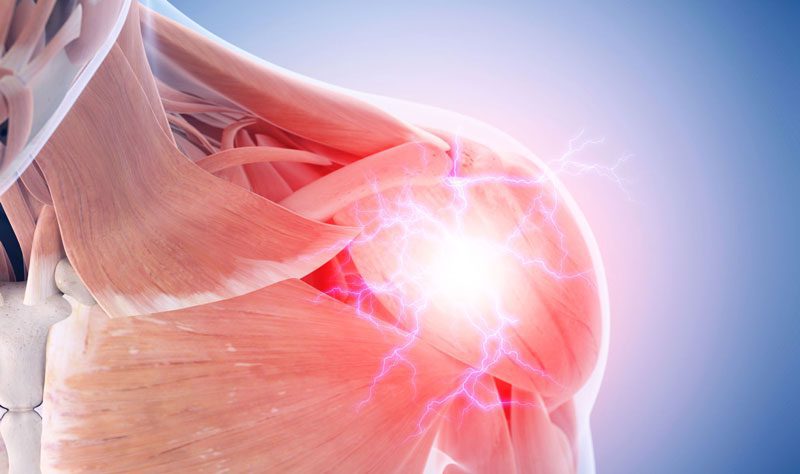
Rotator cuff injuries – the rotator cuff consists of four muscles and the tendons that surround them. Their injury or rupture may occur even in the case of a single sudden jerk, however, the most vulnerable to degenerative damage to the rotator cuff are people who perform repetitive movements (e.g. indoor painters, volleyball players, handball players);
Impingement syndrome – a condition when lifting the arm overhead is causing painful compression of tendons or bursa from the bones of the shoulder. It may lead to inflammation of the rotator cuff tendons (tendinitis) and bursa (bursitis).
Frozen shoulder – also called adhesive capsulitis is the stiffening and thickening of the capsula, a strong connective tissue surrounding the shoulder joint. The result is increasing pain and gradual loss of movement.
Inflammatory diseases – with inflammatory diseases, fluid often appears inside the joint. The most common inflammatory diseases that can cause shoulder pain include: RA, psoriatic arthritis, and osteoarthritis;
Instability of the acromioclavicular joint – this ailment very often arises in skiers or cyclists who fall on the shoulder at a very high speed. Instability within the shoulder girdle often results from dislocation of this small joint.
How do we treat a painful shoulder at PDR? At our clinic, we have been successfully treating shoulder disorders (after excluding other causes, such as lung and heart diseases) using the following techniques:
Manual therapy – mobilization techniques applied to a joint or soft tissue in a specific manner help restore full movement and decrease pain. We also use the most advanced technique called fascial Counterstrain.
Modalities – cold laser, ultrasound, electrical stimulation, or iontophoresis.
Therapeutic exercises – carefully selected arm and shoulder blade movements to prevent muscle atrophy that can occur when the arm is immobilized; to maintain or increase range of motion and to strengthen weak muscles.
Kinesiotaping – reduce muscle tension and soreness, alleviate pain, diminish swelling, and improve blood flow.
Dietary supplementation is also important in the treatment of shoulder diseases. Injuries and degenerative changes in the shoulder joint may be caused by a lack of synovial fluid, causing the wear of the articular cartilage. Taking supplements with a product containing hyaluronic acid and chondroitin sulfate can help to replenish the missing compounds in the articular cartilage.
We also recommend our patients change their lifestyle – implement a proper diet, avoid stress, correct posture, exercise, and assume a number of other healthy habits that will help everyone enjoy the best possible health.