Are You Just Tired — or Actually Sick?

“Tired” is a word we all use, but it can mean many different things. Sometimes it’s that mid-afternoon slump after a long day at work; other times it’s a deep, persistent exhaustion that doesn’t go away with a good night’s sleep. The crucial difference is whether you’re experiencing ordinary fatigue or illness-related fatigue. Are we tired or sick?

Fatigue in Stressful Times

During the COVID-19 pandemic, many people found themselves saying, “I’m so tired.” Worry about health, finances, isolation, and uncertainty has added new layers of mental and physical stress. This stress alone can leave you feeling worn out — a kind of tiredness that often improves with rest, better sleep, or even a short break.

Regular Fatigue vs. Illness-Related Fatigue

Ordinary fatigue usually has a clear cause: a few late nights, too much caffeine, or simply doing too much. Illness-related fatigue, on the other hand, is different. It may appear suddenly, linger for days or weeks, and doesn’t always improve with sleep or rest. It often comes with other symptoms such as:

  • Persistent weakness or a heavy-limb feeling
  • Shortness of breath
  • Muscle or joint aches
  • Fever, sore throat, or swollen glands
  • Trouble concentrating (“brain fog”)

This type of fatigue can be linked to viral infections (like COVID-19), autoimmune disorders, chronic inflammation, or other underlying medical conditions.

Why It Matters to Know the Difference

Being able to tell whether you’re simply worn out or experiencing illness-related fatigue is important because it guides the next step:

  • Regular fatigue often responds to rest, better sleep habits, exercise, and stress management.
  • Illness-related fatigue may signal the need for a medical evaluation, lab work, or specialized therapy.

Ignoring ongoing fatigue can delay treatment and slow recovery from conditions that need professional care.

How Physical Therapy Can Help

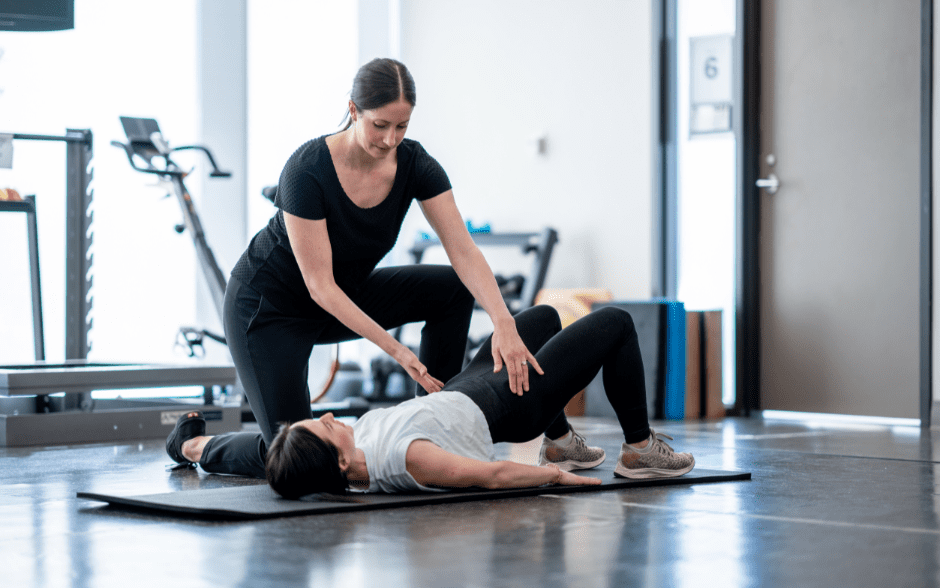
When fatigue is tied to illness, injury, or post-viral syndromes such as post-COVID complications, physical therapy can play a key role in recovery. At PDR Physical Therapy & Wellness Center, our therapists use approaches like graded exercise, Fascial Counterstrain, breathing exercises, and gentle mobility work to:

  • Reduce muscle tension and stiffness
  • Support better circulation and oxygenation
  • Improve energy levels over time
  • Restore safe activity levels without over-exertion

We focus on building strength at a pace that respects your current energy and helps you regain daily function.

Takeaway

Feeling tired is common — but when fatigue lingers, gets worse, or interferes with daily activities, it’s worth paying attention. Recognizing the signs of illness-related fatigue and seeking the right kind of care early can make a big difference in how quickly and fully you recover.

Struggling with Persistent Fatigue?

Our team at PDR Physical Therapy & Wellness Center can help you regain strength, manage post-illness fatigue, and feel more like yourself again. Just tired or sick – we are here to help!

Schedule Your Appointment