Understanding and Managing Shin Splints: A Comprehensive Guide
You’ve likely heard of shin splints if you’re an active individual, especially a runner or someone who frequently engages in high-impact activities. This common condition can be a major setback, causing discomfort and disrupting your routine. In this blog post, we’ll dive into what shin splints are, why they occur, and how you can effectively manage and prevent them.
What Are Shin Splints?
Shin splints, medically known as medial tibial stress syndrome (MTSS), refer to pain along the inner edge of the shinbone (tibia). This pain results from inflammation of the muscles, tendons, and bone tissue around the tibia due to repetitive stress. It’s a common injury among athletes and those who suddenly increase their physical activity levels.
Causes of Shin Splints
Shin splints usually arise from overuse or sudden changes in activity levels. Key factors contributing to shin splints include:
- Increased Activity: A rapid increase in the intensity, duration, or frequency of exercise can strain the lower leg muscles.
- Improper Footwear: Shoes that lack proper support or cushioning can contribute to shin splints by failing to absorb shock effectively.
- Flat Feet or High Arches: Abnormal foot mechanics can alter how force is distributed during activity, increasing stress on the shins.
- Running Surface: Hard or uneven surfaces can exacerbate the impact on your legs.
Symptoms to Watch For
- Pain along the inner shinbone: This is usually the most noticeable symptom and can vary from a dull ache to sharp pain.
- Tenderness and swelling: The affected area might be tender to the touch and slightly swollen.
- Pain that worsens with activity: The discomfort typically intensifies during exercise and may persist afterward.
Managing Shin Splints
Effective management is crucial to recovery and preventing future occurrences. Here’s a step-by-step approach:
- Rest and Recovery:
- Take a Break: Temporarily reduce or stop activities that cause pain to allow the inflammation to subside.
- Ice Application: Apply ice packs to the affected area for 15-20 minutes several times daily to reduce swelling and pain.
- Strengthening and Flexibility:
- Strengthening Exercises: Incorporate exercises to strengthen the muscles around your shins.
- Stretching: Regularly stretch your calves and Achilles tendons to improve flexibility and reduce tension.
- Proper Footwear and Orthotics:
- Choose the Right Shoes: Invest in high-quality running shoes with adequate support and cushioning.
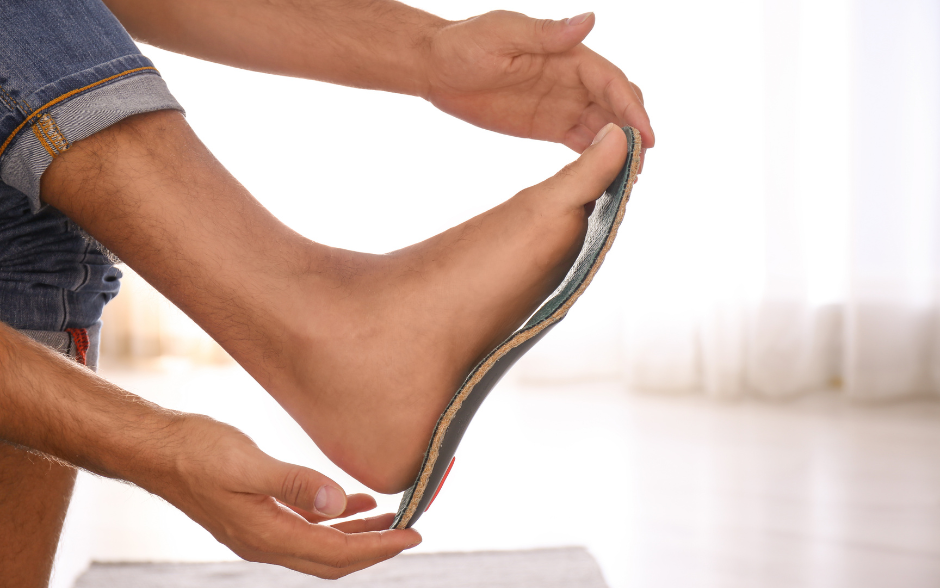
- Consider Orthotics: Custom arch supports can help correct foot mechanics and alleviate stress on your shins.
- Gradual Return to Activity:
- Ease Back In: Slowly reintroduce physical activity, starting with low-impact exercises like swimming or cycling before resuming running.
- Follow a Structured Plan: Gradually increase the intensity and duration of your workouts to allow your body to adapt.
Preventing Shin Splints
- Warm-Up and Cool-Down: Proper warm-ups and cool-downs prepare your muscles for exercise and aid in recovery.
- Cross-Training: Engage in a variety of activities to reduce the repetitive stress on your shins.
- Monitor Training Intensity: Gradually increase your workout intensity and listen to your body’s signals to avoid overuse injuries.
When to Seek Professional Help
If you experience persistent shin pain despite rest and self-care, or if you’ve had recurring shin splints, physical therapy can be a valuable option. A physical therapist can provide a comprehensive treatment plan to address the root causes of your shin splints and help you return to your activities safely.
Goals of Physical Therapy for Shin Splints
- Pain Relief: Alleviate the discomfort associated with shin splints.
- Reduce Inflammation: Help manage and decrease swelling in the affected area.
- Strengthen Muscles: Improve the strength of muscles supporting the shin and lower leg.
- Improve Flexibility: Increase the flexibility of muscles and tendons to reduce tension.
- Correct Biomechanics: Address any issues with gait or foot mechanics that contribute to shin splints.
Typical Physical Therapy Approaches
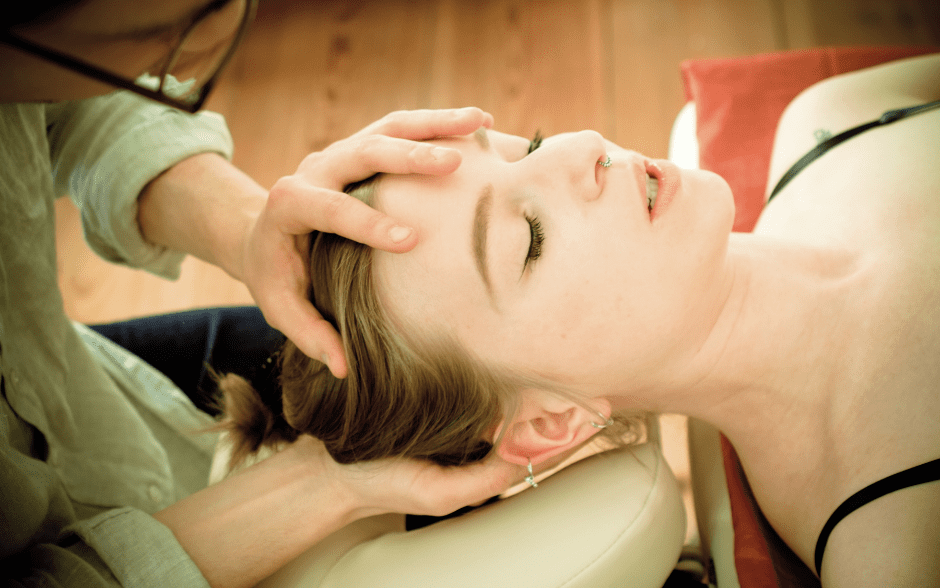
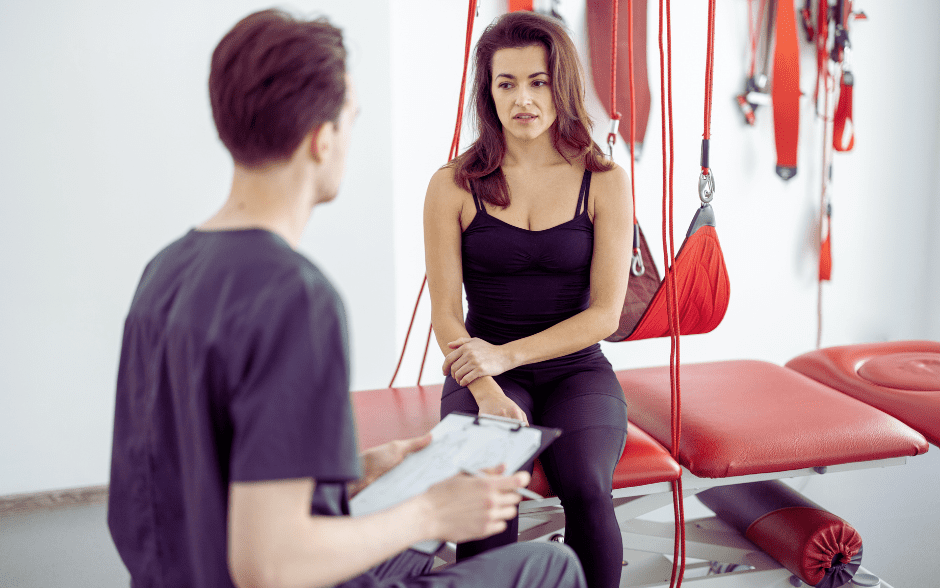
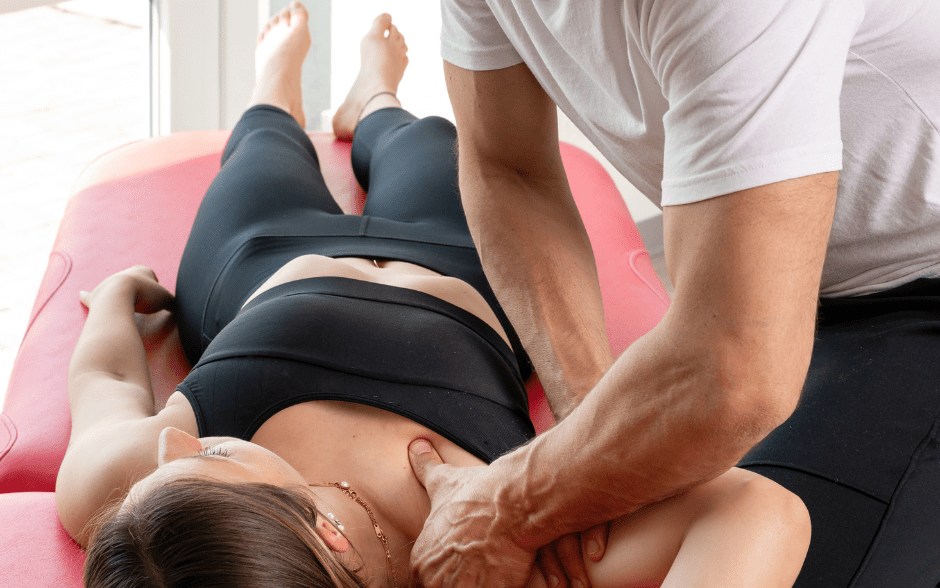
During your initial evaluation, your physical therapist will assess your movement patterns, gait, and overall lower limb alignment to determine the specific factors contributing to your shin splints. We use various manual therapy techniques and tailor exercises to help our patients recover. Gait analyses are also used to correct any irregularities in your walking or running gait, which can reduce stress on your shins. Our therapists will also teach you about proper training techniques, warm-up routines, and cool-down practices to prevent future injuries. You will also discuss ways to incorporate various exercises and adjust your activity levels to maintain fitness while allowing your shins to heal.
By understanding the causes and effective management strategies for shin splints, you can take proactive steps to stay active and healthy. Remember, taking care of your body and addressing issues early can prevent minor injuries from becoming major setbacks. Stay active, stay informed, and keep moving forward!