Meniscus Injury Physical Therapy: Expert Q&A with Kris Krasowski, PT
Expert Insights from Physical Therapist Kris Krasowski
If you suffer from knee pain or suspect a meniscus injury, you are not alone.
According to the American Academy of Family Physicians, about 25% of adults experience recurring knee joint pain.
This can limit daily activities and significantly lower the quality of life.
Many patients with knee pain face the common question: surgery or
meniscus injury physical therapy? One of our experienced physical therapists,
Kris Krasowski, PT,
often works with patients navigating this decision.
Q&A with Kris Krasowski
Q: Kris, what are the most common causes of meniscal problems, and who suffers from them most often?
Kris: Meniscus injuries usually affect middle-aged and older adults.
Often, these issues are linked to degenerative changes in the knee joint. Interestingly, in people
over 45, women are affected more frequently.
Each knee contains a medial and a lateral meniscus. Injuries most commonly affect the lateral meniscus. Damage from
degenerative changes develops gradually, often from multiple micro-traumas. Initially, these minor injuries may not
cause significant symptoms and are frequently diagnosed in joints where degeneration is still mild.
Q: How common is this condition?
Kris: MRI studies in people over 50 show that around 30% have minor meniscus damage.
Arthroscopic meniscectomy, or meniscus surgery, is the most common orthopedic procedure in the U.S.,
with about 700,000 procedures annually.
Q: Surgery or rehabilitation – which do you recommend?
Kris: Recent research, including studies from Rehabtjänst Clinic in Stockholm and the University of
Odense in Denmark, shows that professional physical therapy for meniscus injuries can be as effective
as surgery in many cases.
Of course, some injuries require surgery, but we should always consider non-surgical meniscus treatment
first, especially when the meniscus damage is linked to degenerative changes. Early, targeted
meniscus injury physical therapy can often prevent the need for invasive procedures.
Q: Can surgery fail to relieve pain?
Kris: Yes. Over 30 years, I’ve seen patients referred to us after surgery with unsatisfactory results.
Often, the surgery doesn’t improve the quality of life because degenerative changes continue to cause
knee joint pain. In some cases, these patients are eventually recommended
joint replacement surgery.
Q: What does meniscus rehabilitation involve?
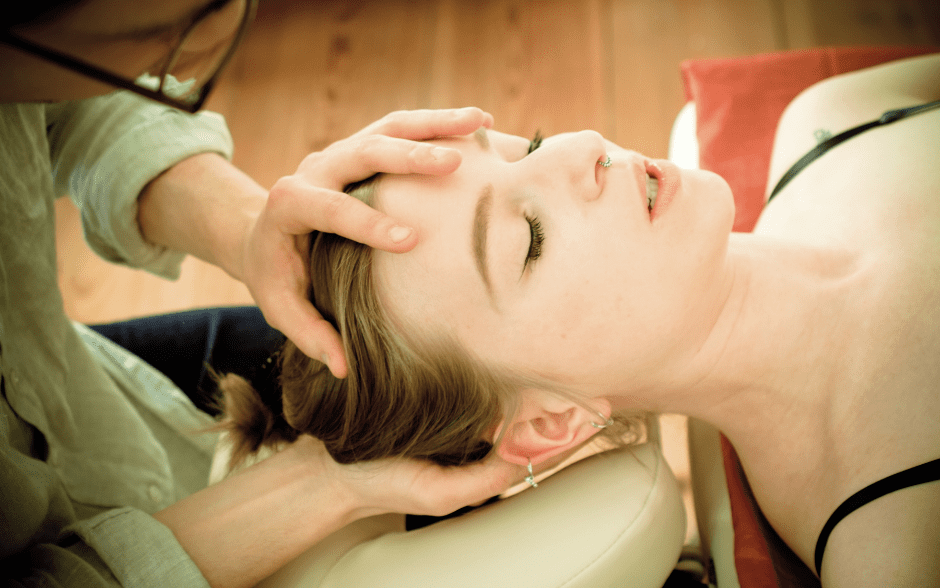
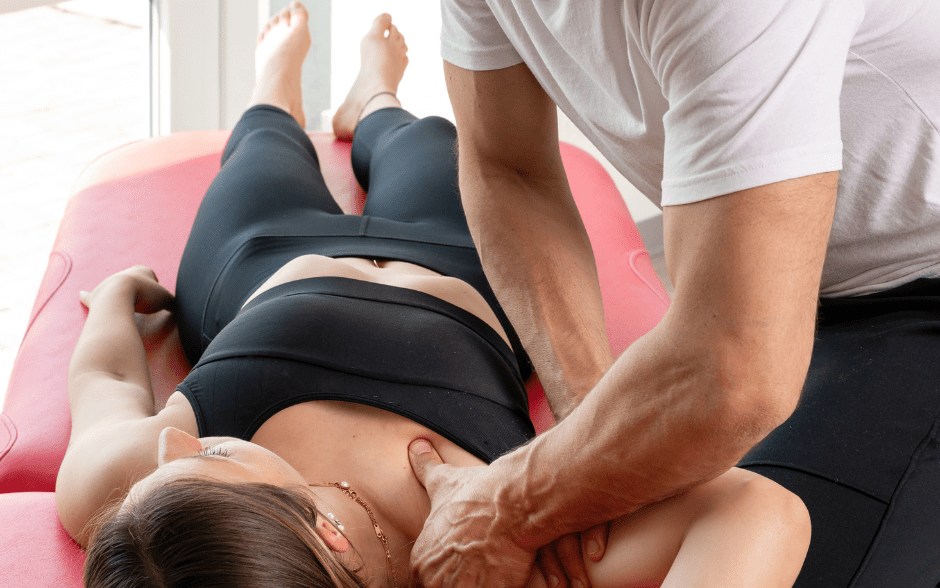
Kris: Every rehabilitation plan is customized to the patient. Typically, we start by addressing pain
and inflammation using advanced manual therapy and modalities such as:
Next, we focus on lower-body motor control, strength, and flexibility exercises to prevent recurrence and improve
knee stability. The plan is tailored based on the patient’s functional exam and goals.
Q: Can you give an example of a patient’s progress?
Kris: A patient came to us with pain in her right knee, difficulty walking short distances, climbing
stairs, or standing. An MRI had shown a ruptured medial meniscus and mild degenerative changes.
Through manual therapy, massage, strengthening exercises, stretching, and modalities, her pain was significantly
reduced. After six weeks, she regained mobility and no longer required ongoing therapy.
Q: Can physical therapy save patients from surgery?
Kris: It depends on the severity of the injury. Some cases are too advanced for therapy alone.
However, with modern techniques, many patients avoid surgery entirely. Early intervention is key. Ignoring knee
problems can make rehabilitation less effective later on.
Bottom line: If knee pain persists, don’t wait. Early, targeted
rehabilitation for knee injuries can maintain mobility and function, often without surgery.
meniscus injury, early intervention is key. Our specialized
meniscus injury physical therapy program uses
Fascial Counterstrain
and advanced manual techniques to reduce pain, restore knee function, and help you return to daily activities safely.
Schedule your appointment now!