Sciatica Pain: Causes, Symptoms, and Treatments at PDR Physical Therapy
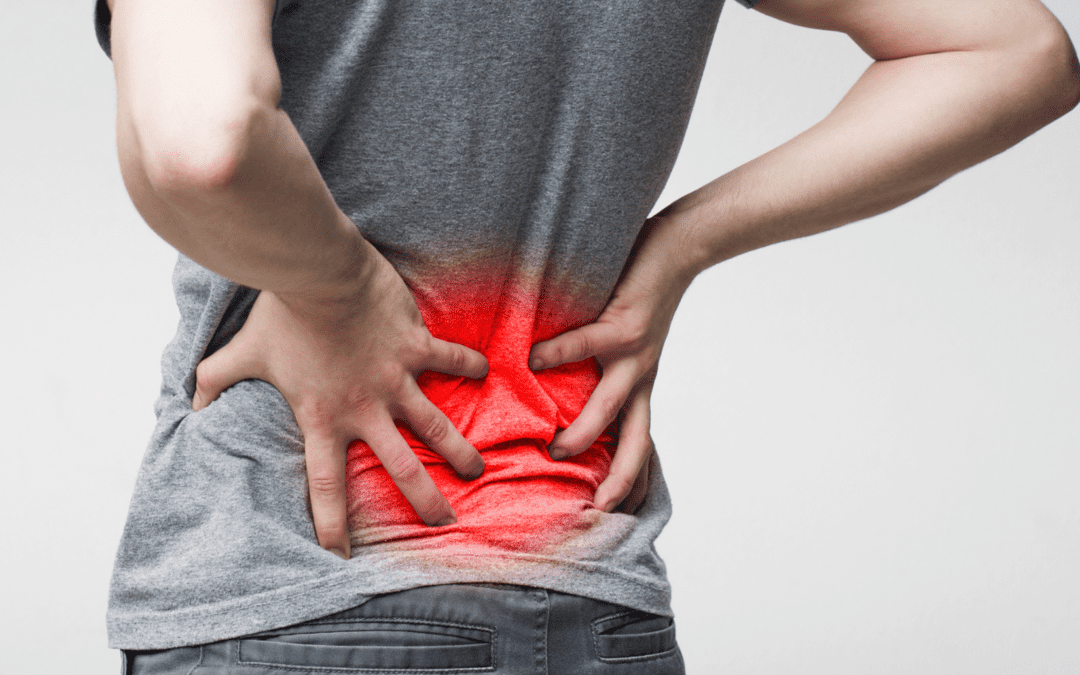
It strikes at the most unexpected moment, causing excruciating and stabbing sciatica pain in the back, often radiating all the way down to the foot. It makes it difficult to sleep, bend down, and, in acute cases, even walk. Sciatica – a common condition affecting nearly 40% of people – has an unpleasant tendency to return. What are the causes of sciatica, what are its symptoms, and how is it treated?
Cornerstone Insight: Understanding Sciatica
Sciatica is a syndrome caused by irritation or compression of the sciatic nerve – the largest peripheral nerve in the human body. Pain typically radiates from the lower back (lumbosacral spine) through the buttocks down to the foot. Aside from the characteristic shooting pain, some patients may also experience numbness, tingling, a burning sensation, or even foot drop in severe cases. Early recognition of sciatica symptoms can help prevent chronic pain and improve recovery.
Causes of Sciatica
Between the vertebrae of our spine are intervertebral discs filled with a soft, gelatinous nucleus that acts as a natural cushion. Over time, these discs lose their elasticity, making the spine less resistant to loads. However, aging is not the only factor that weakens spinal discs. Lifestyle, occupation, and certain health conditions also increase the risk of sciatic nerve pain.
Common sciatica causes include:
- Degenerative spinal diseases, spinal torsion, or discopathy leading to compression of nerve roots.
- Sedentary lifestyle and excess body weight, which increase pressure on the spine.
- Poor diet low in calcium, mineral salts, and vitamins.
- Chronic diseases such as diabetes that increase the risk of nerve damage.
- Pregnancy or repetitive heavy physical exertion when weak back and abdominal muscles cannot support the spine.
- Improper lifting of heavy objects or long hours of driving.
- Sudden exposure to cold – such as lying on cold surfaces or jumping into cold water.
- Locking of one of the sacroiliac joints, causing strong spasms in surrounding tissues like the piriformis muscle that presses on the sciatic nerve.
- Inflammation or stress of internal abdominal or pelvic organs, post-surgical adhesions, or side effects of oncological treatments.
At PDR Physical Therapy & Wellness Center, our therapists specialize in addressing both musculoskeletal and visceral causes of sciatica, often relieving pain without strong medications or surgery.
Personalized Treatment: Stan’s Story
Stan came to PDR Physical Therapy & Wellness Center when his sciatica pain became unbearable. It began in mid-November after lifting a heavy box. At first, he tried home remedies like hot packs and ointments while continuing to work. Initially, the pain came and went, creating a false sense of improvement. Unfortunately, Stan’s long commute and hours spent standing at work aggravated his pain to the point where even painkillers couldn’t help.
Upon evaluation, the therapist discovered that one of Stan’s sacroiliac joints was locked, causing intense muscle spasm. The treatment included:
- Cold packs and electrical stimulation (E-stim) to reduce swelling and improve circulation for pain relief.
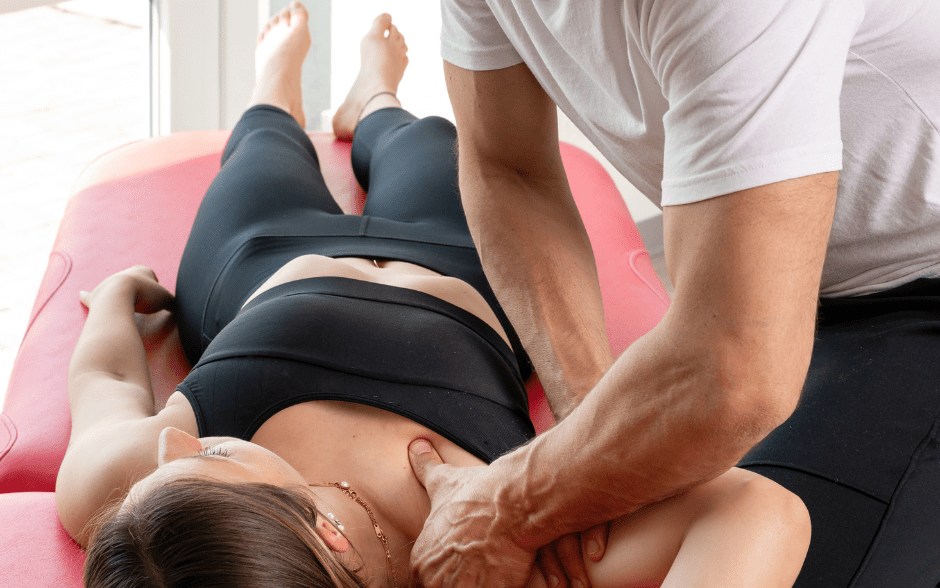
- Manual therapy, including the gentle and highly effective Fascial Counterstrain technique to relax spasms and improve the function of tissues in the pelvis and abdomen.
- Application of a cold laser to decrease inflammation.
- A customized exercise plan to strengthen core and back muscles, supporting the spine and preventing recurrence.
With consistent therapy, Stan’s sciatica symptoms decreased significantly, his mobility improved, and he was able to return to normal activities without medications.
Recovery Time and Prevention
Sciatica should never be underestimated. When acute inflammation is present, it can take 5–6 weeks to heal. Since up to 75% of patients experience recurrence, prevention of sciatic nerve pain is crucial:
- Use proper lifting techniques: keep your back straight, bend your knees, and hold objects close to your body.
- If standing for long periods, rest one foot on a small stool to reduce spinal strain.
- For seated jobs, use a chair with lumbar support and armrests, maintaining correct posture.
- Maintain healthy sleeping habits: firm mattress, small pillow, and straight sleeping position.
- Engage in regular physical therapy for sciatica or targeted exercises to strengthen back and abdominal muscles.
Take Control of Your Back Health
If you are experiencing sciatica symptoms or recurring lower back pain, don’t wait for it to worsen. Our experienced team at PDR Physical Therapy & Wellness Center specializes in manual therapy for sciatica to relieve pain, restore mobility, and help prevent future episodes.