Fibromyalgia: Diagnosis and Physical Therapy Treatment
Fibromyalgia is a condition characterized by widespread pain in the musculoskeletal system that lasts for at least three months. Individuals with fibromyalgia often experience fatigue, insomnia, and stiffness in the lower body and limbs. In addition to these symptoms, they may also suffer from tension headaches, temporomandibular joint disorders (TMJ), irritable bowel syndrome, and more. Many people with fibromyalgia report feelings of hypochondria, depression, and anxiety; however, the condition can also affect individuals who do not experience any psychological distress. Approximately 4% of the population is affected by fibromyalgia, with women being more commonly impacted than men. The risk of developing this syndrome increases with age, affecting about 8% of women after the age of 70.
Researchers believe that fibromyalgia enhances the perception of pain by altering the way the brain and spinal cord process signals related to pain and non-pain. Symptoms often begin after a triggering event, such as significant psychological stress, physical trauma, infection, or surgery, but in some cases, they can arise without any obvious cause.
What is Fibromyalgia
Fibromyalgia symptoms often resemble those of other conditions. After ruling out these conditions through medical tests, doctors typically assess the sensitivity of the 18 tender points associated with the syndrome. These points are sensitive to pressure and are symmetrically distributed across the body.
While there is no cure for fibromyalgia, various medications and physical therapy—administered by experienced therapists—can help manage the symptoms. Counseling and psychological support are also strongly recommended as part of the treatment plan. Unfortunately, treating fibromyalgia can be challenging; statistically, only about 25% of patients report an improvement in their condition.
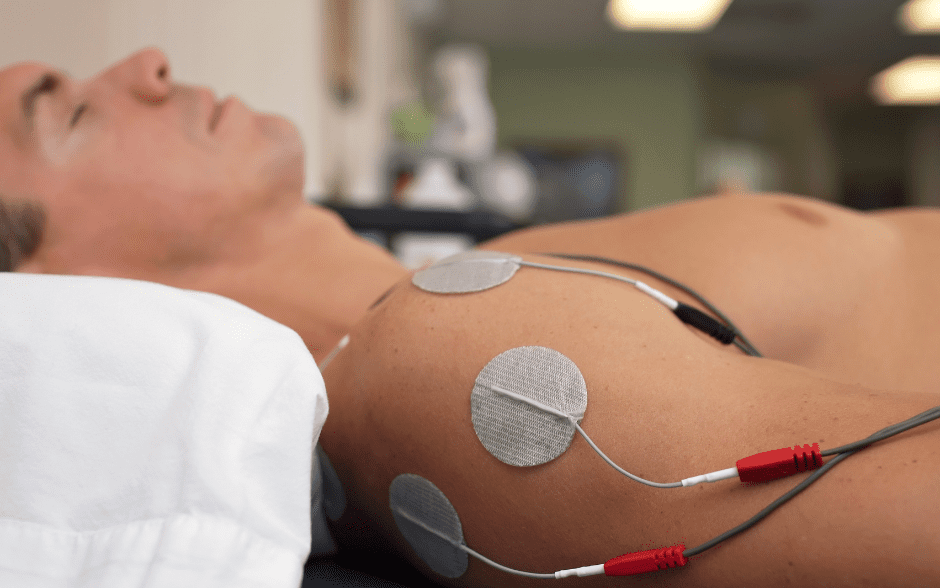
The most effective approach to managing fibromyalgia involves developing the right combination of physical therapy modalities, such as laser therapy, electrical stimulation, heat therapy, ultrasound, and taping, along with advanced manual therapy techniques and kinesiotherapy (physical conditioning).
How does P D Rehab help patients with fibromyalgia?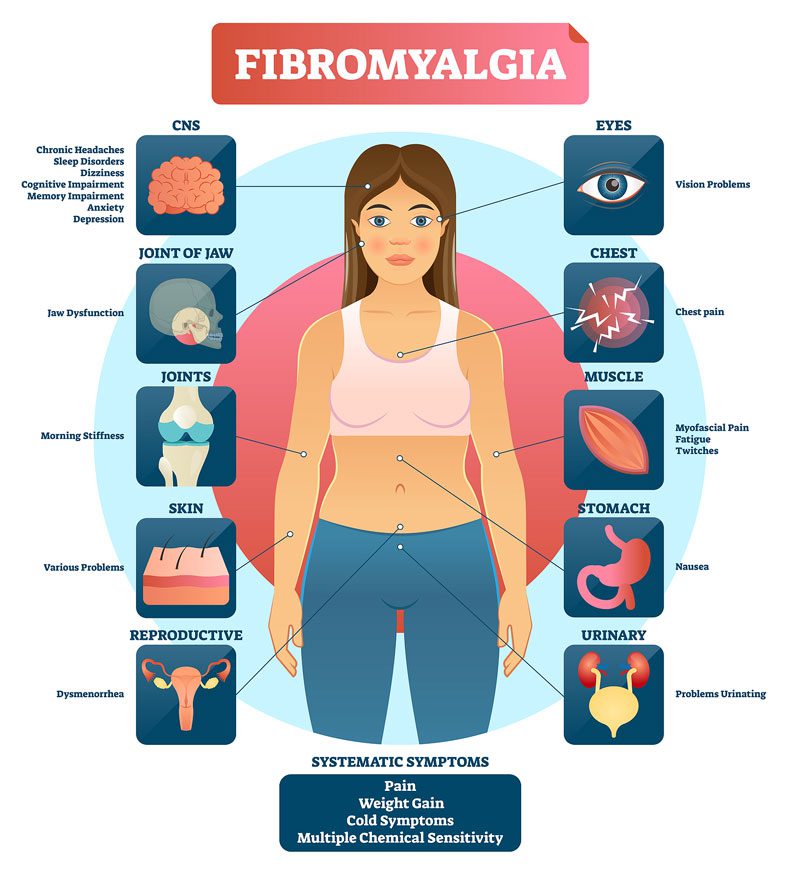
Fibromyalgia can be challenging to diagnose, as it is often mistaken for other conditions. Therefore, we strongly recommend that our patients schedule a free screening first. During this brief interview, our skilled therapist will assess whether we can offer assistance in your specific case.
Following the screening, we conduct an hour-long initial evaluation, during which we examine the musculoskeletal and nervous systems. This, combined with a thorough interview, enables us to develop a personalized treatment plan. This plan may include:
Manual therapy
Our therapists use careful compression techniques to identify and relieve tender points in the body. This approach supports the nervous, circulatory, and musculoskeletal systems. Many patients with fibromyalgia also experience issues with their abdominal organs. By applying manual therapy, our therapists can compress the connective tissue around specific organs, leading to improved function.
Modalities
We may utilize treatments such as laser therapy, heat, ultrasound, electrical stimulation, and taping.
Exercise plan
Our licensed therapists create individualized exercise plans during personal sessions. These plans help alleviate pain and stiffness while reducing stress.
We encourage everyone suffering from fibromyalgia or other chronic pain syndromes to contact our Clinic at 847-459-4779.
Would you like to find out more? Read the Cleveland Clinic article.